Why choose this tour?
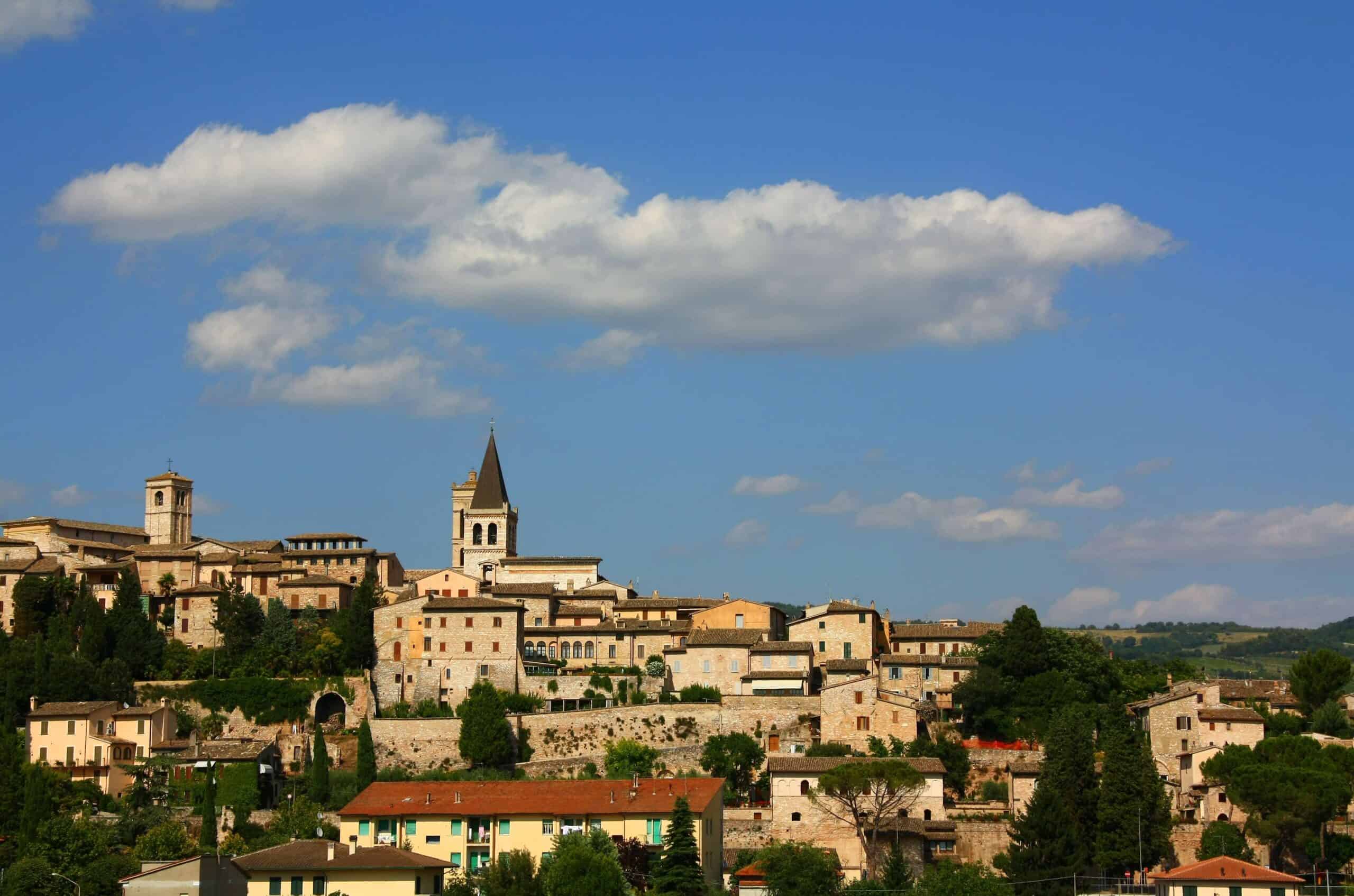
Ideal for flower enthusiasts and nature lovers, this tour intertwines floral art and spirituality in the setting of Umbria’s historic villages. A journey where beauty hides around every corner
DAY 1: Arrival
Arrival and transfer to the hotel. Depending on the arrival time, it is also possible to arrange a quick visit in the neighboring villages before the overnight accommodation.
DAY 2: Perugia
Breakfast and departure for a guided tour of Perugia, the chief town of the Umbria region. In the center of the city is located a picturesque square where it is possible to admire real architectural jewels such as Palazzo dei Priori, the beautiful Cathedral and a masterpiece of the thirteenth century: the charming Fontana Maggiore.The Rocca Paolina is another element that stands out in the historic center of the city: a fortress built by Pope Paul III to symbolized the papal power.
A gem not to be missed for art lovers is the Noble College of the Exchange, preserved in a wing of Palazzo dei Priori. This tiny chamber was the headquarters of the guild of money changers and its walls house a cycle of frescoes made by Pietro Vannucci, known as Perugino.
Free time to enjoy lunch in one of the typical restaurants of the area.
Free time for shopping during the afternoon.
In the evening, return to the hotel, dinner and overnight stay.
DAY 3: Bevagna and Assisi
Breakfast and departure for a guided tour of Bevagna. This ancient Umbrian centre of Roman origins has preserved its medieval urban structure: in fact it is surrounded by stunning walls, gates and towers. Within its buildings there are still artisan workshops that show how products such as paper, candles, etc. were produced. The tour will continue in one of these characteristic medieval workshops.
Every June the medieval soul of Bevagna comes to life with the famous “Mercato delle Gaite”, a historical reenactment festival where the locals dress in costumes and experience the daily life by eating, working and playing like their ancestors used to do in the period that goes from 1250 to 1350.
Lunch will be served in a local winery overlooking the Umbrian hills. Umbria is a region with a great wine making tradition: its wines are characterized by intense aromas and are perfect for different matches
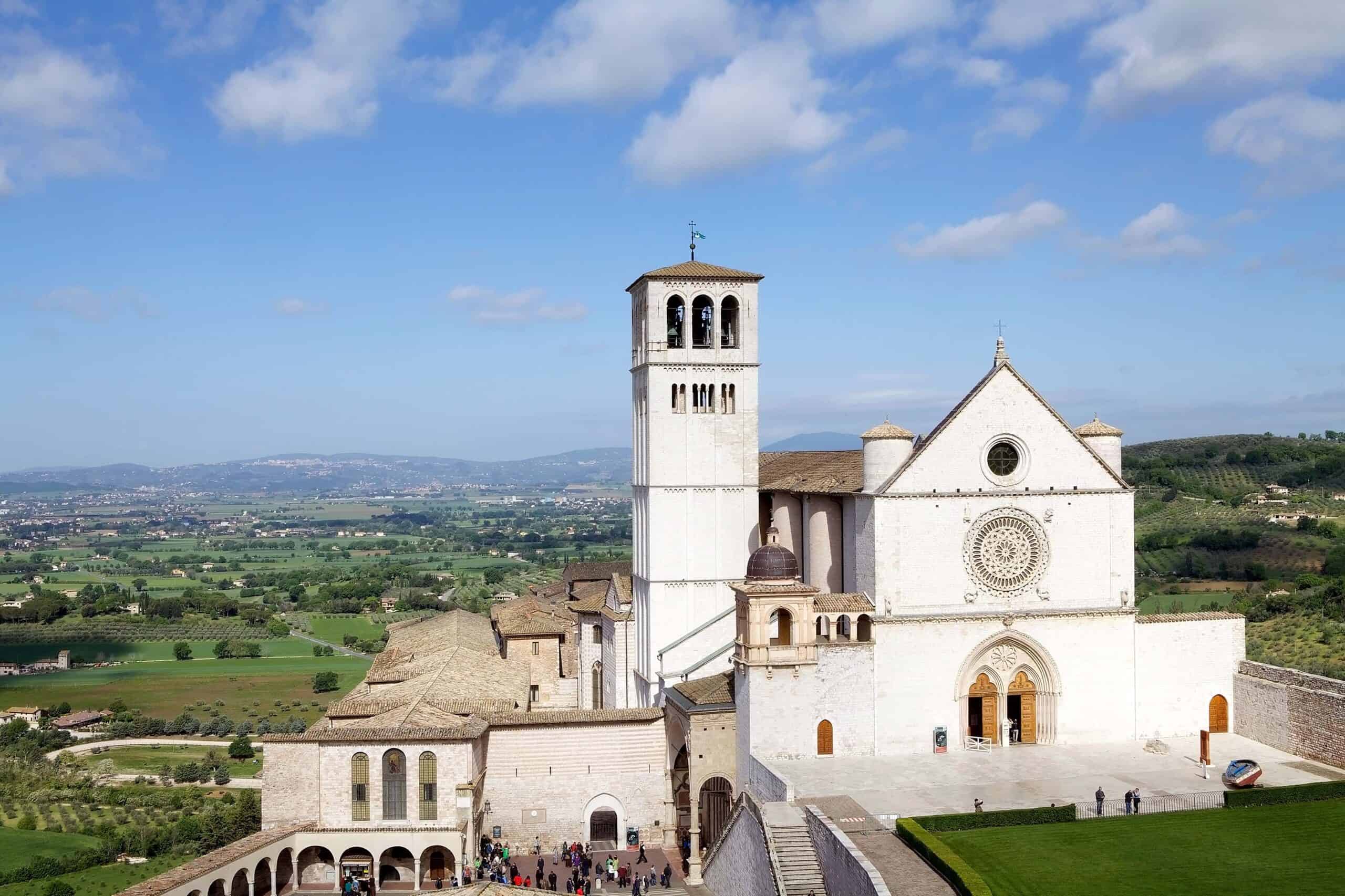
Free time to visit Assisi during the afternoon. Assisi has been a UNESCO site since 2000 and it is characterized by a postcard-like charm, culinary traditions and a lovely surrounding landscape. However, Assisi is also known as “The City of Saints”: in fact, every corner of the City is profoundly tied to the life of Saint Francis, who was born here in 1182. The humble Saint founded the mendicant order of the Franciscans, whose ideology led to the creation of monuments that are of outstanding architectural and artistic interest, such as the Basilica that shares the same name of the Saint and the Basilica of Santa Maria degli Angeli, where the renowned canticle of the Creatures was composed. Inside the Basilica of Saint Francis it is possible to admire the “Storie di San Francesco”, a fresco that is thought to have been created by Giotto. The cycle of frescoes tells the life of the Saint, who is imagined by Giotto in very specific spaces rich in refined and recognizable details such as the Palazzo del Comune of Assisi.
In the evening, return to the hotel, dinner and overnight stay.
DAY 4: Spello and the Feast of the “Infiorata”
Breakfast and departure for a guided tour of Spello on the occasion of the Infiorata.
This enchanting hamlet, perched on the southern flank of Mount Subasio and awarded as one of the most beautiful villages in Italy, guards art and gastronomy treasures. In the historical center, it is possible to admire the jewel of the village: Cappella Baglioni (Baglioni Chapel), painted by Pinturicchio.
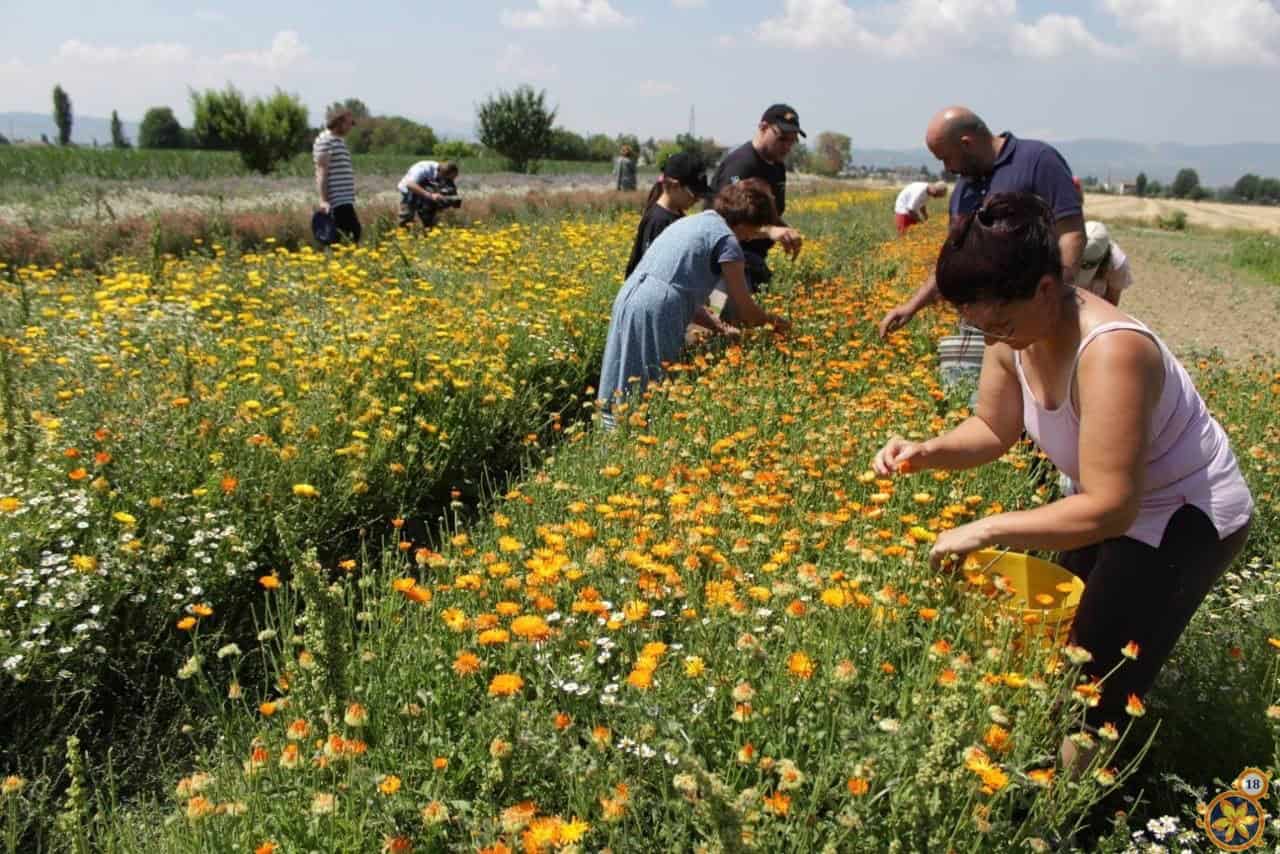
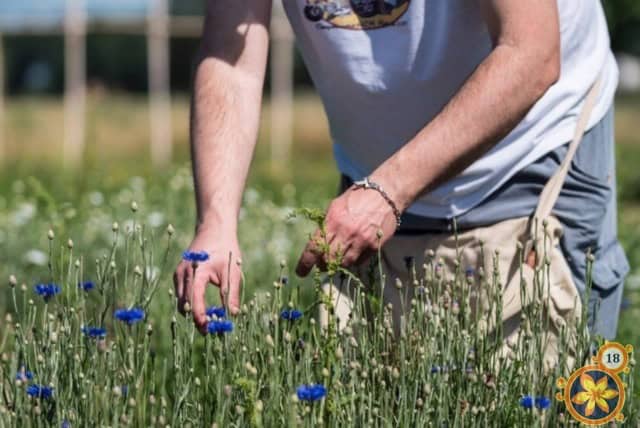
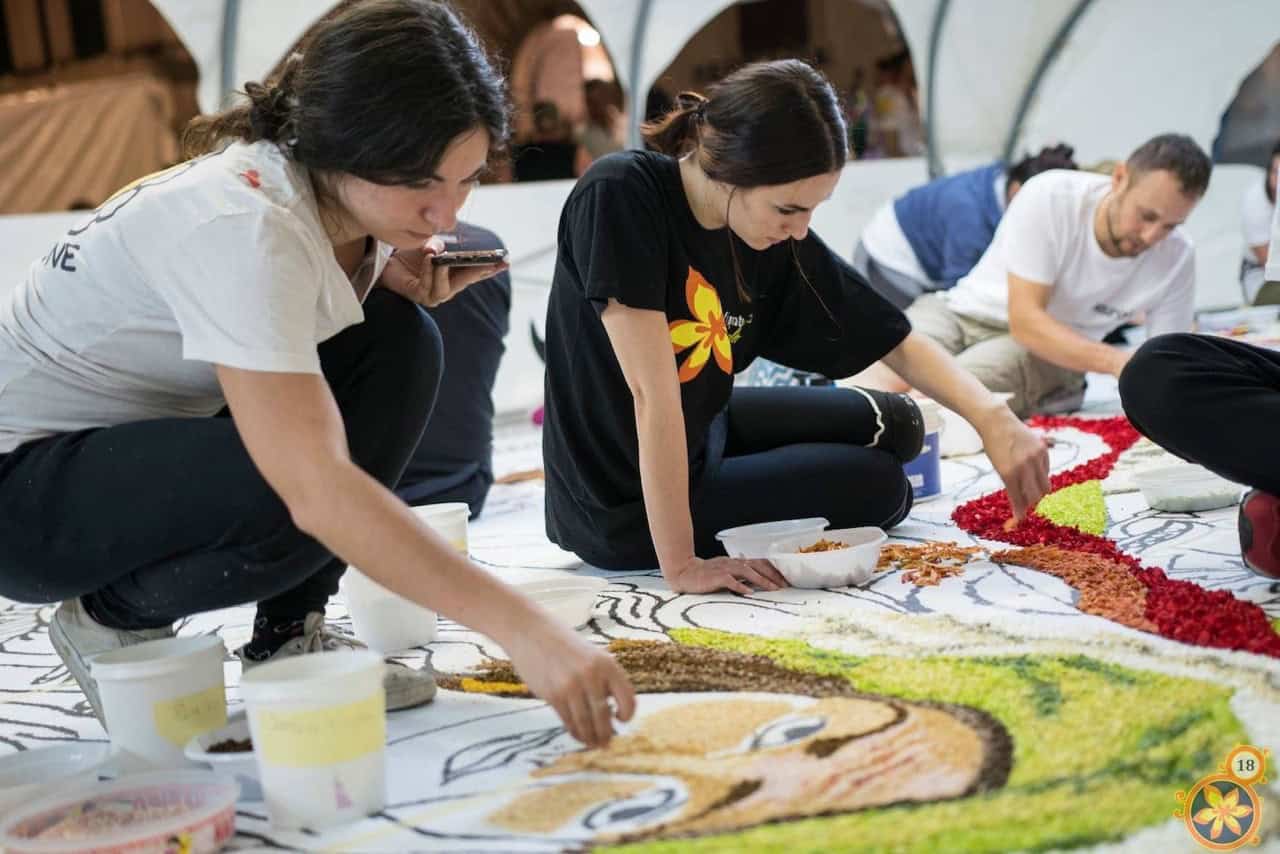
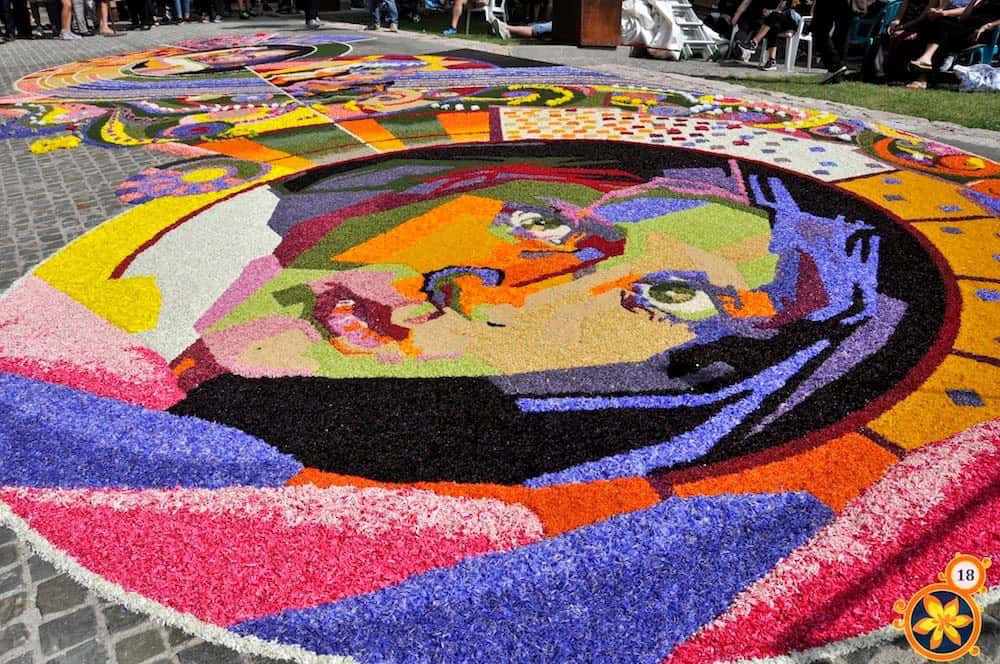
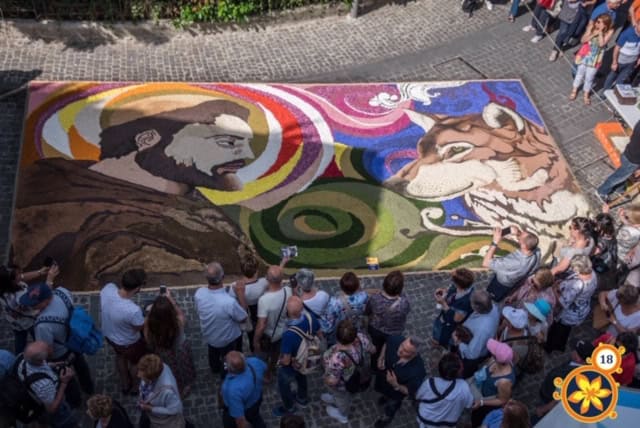
Spello is also known as “the Capital of the Flower”, thanks to the celebration that takes place between May and June, the “Infiorata del Corpus Domini”: during this celebration, the narrow streets of Spello are decorated with carpets of real flowers representing saints or religious scenes of life. These designs are prepared the night before the feast and the best time to admire these carpetes of flowers is in the early morning. In fact, around mid-day a religious procession walks down the streets and destroys these works of art. It is a symbolism that shows that no matter how hard we try to create things of lasting beauty, everything comes to dust in the end.
Free time for lunch and shopping during the afternoon.
In the evening, return to the hotel, dinner and overnight stay.
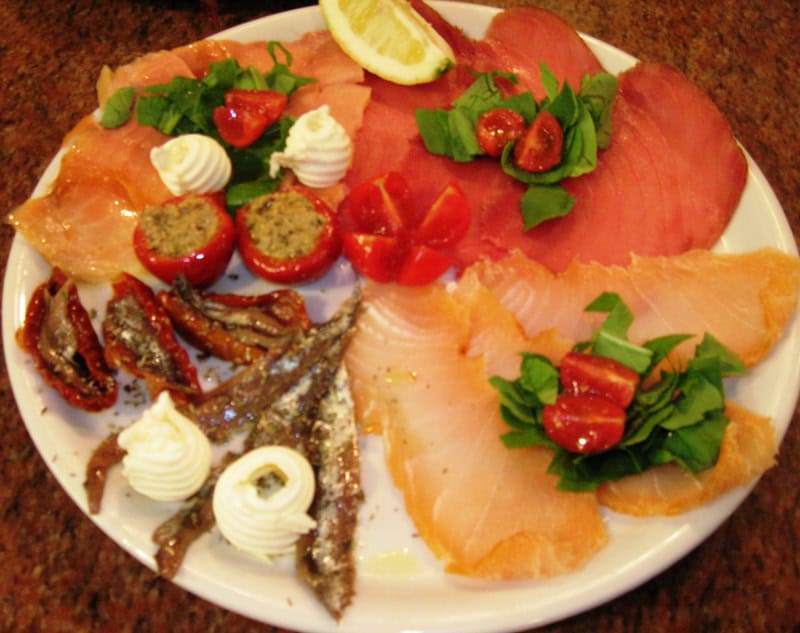
We don’t want our guests to leave without a tasty souvenir of this trip: that is why a gastronomic lottery of typical Italian cold cuts will be offered during the last dinner together, as well as a parting gift: a bottle of high quality local extra virgin olive oil.
DAY 5: Departure
Departure and return to home. Depending on the departure time, it is also possible to arrange a last visit before returning home.