Why choose this tour?
Ideal for art and history lovers, this tour explores the most famous attractions of the region as well as hidden gems in the lesser-known countryside. Historic sites, beautiful museums, tasty experiences with local farmers, and breathtaking landscapes make this journey truly unique.
DAY 1: Arrival
Arrival at Fco Apt in Rome and transfer to the Hotel in Rome.
Free time to discover the area in the afternoon.
Dinner and overnight accommodation at the hotel.
DAY 2: St. Peter Basilica, Vatican museum and Sistine Chapel
Breakfast and meeting with the guide.
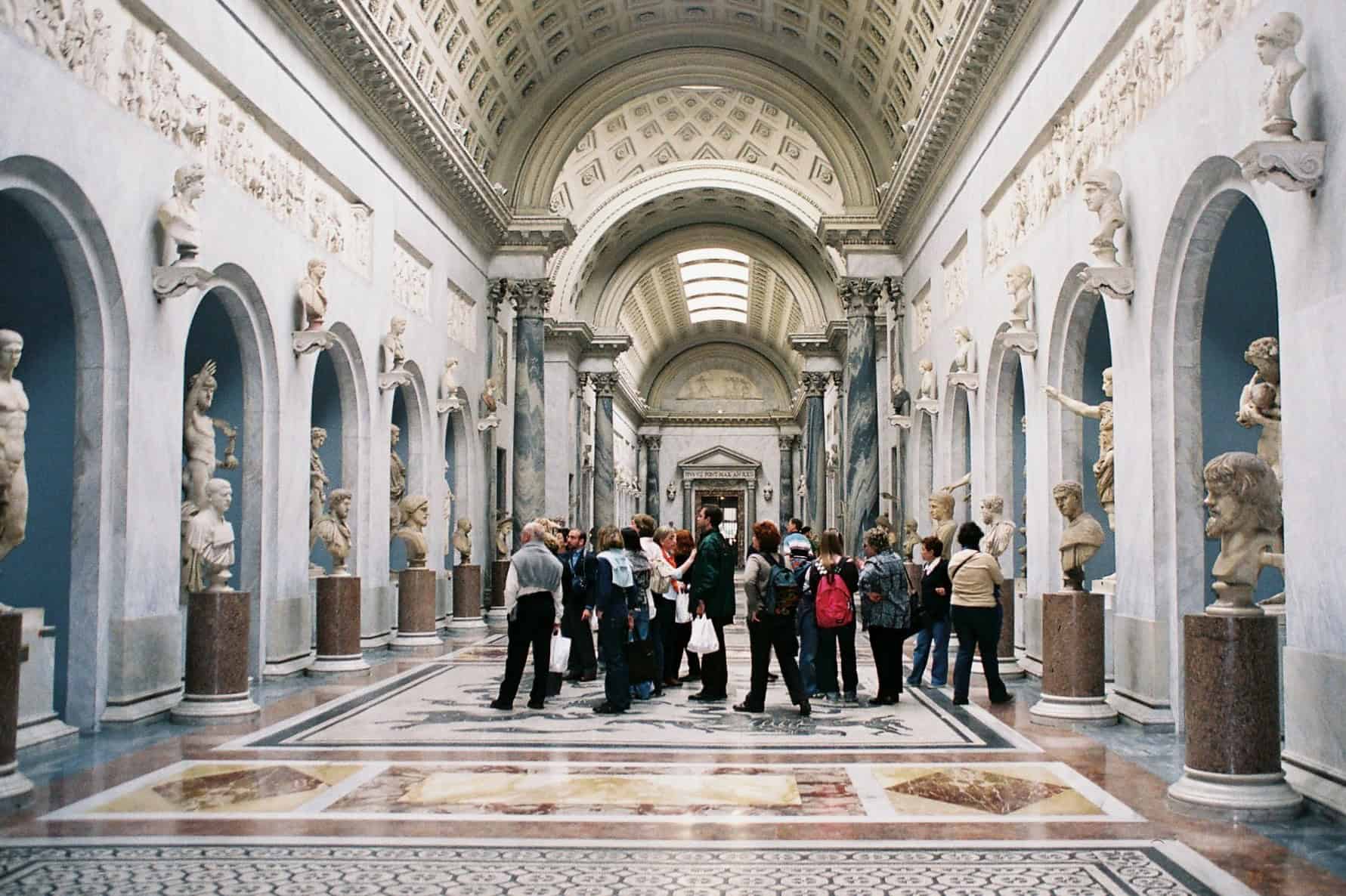
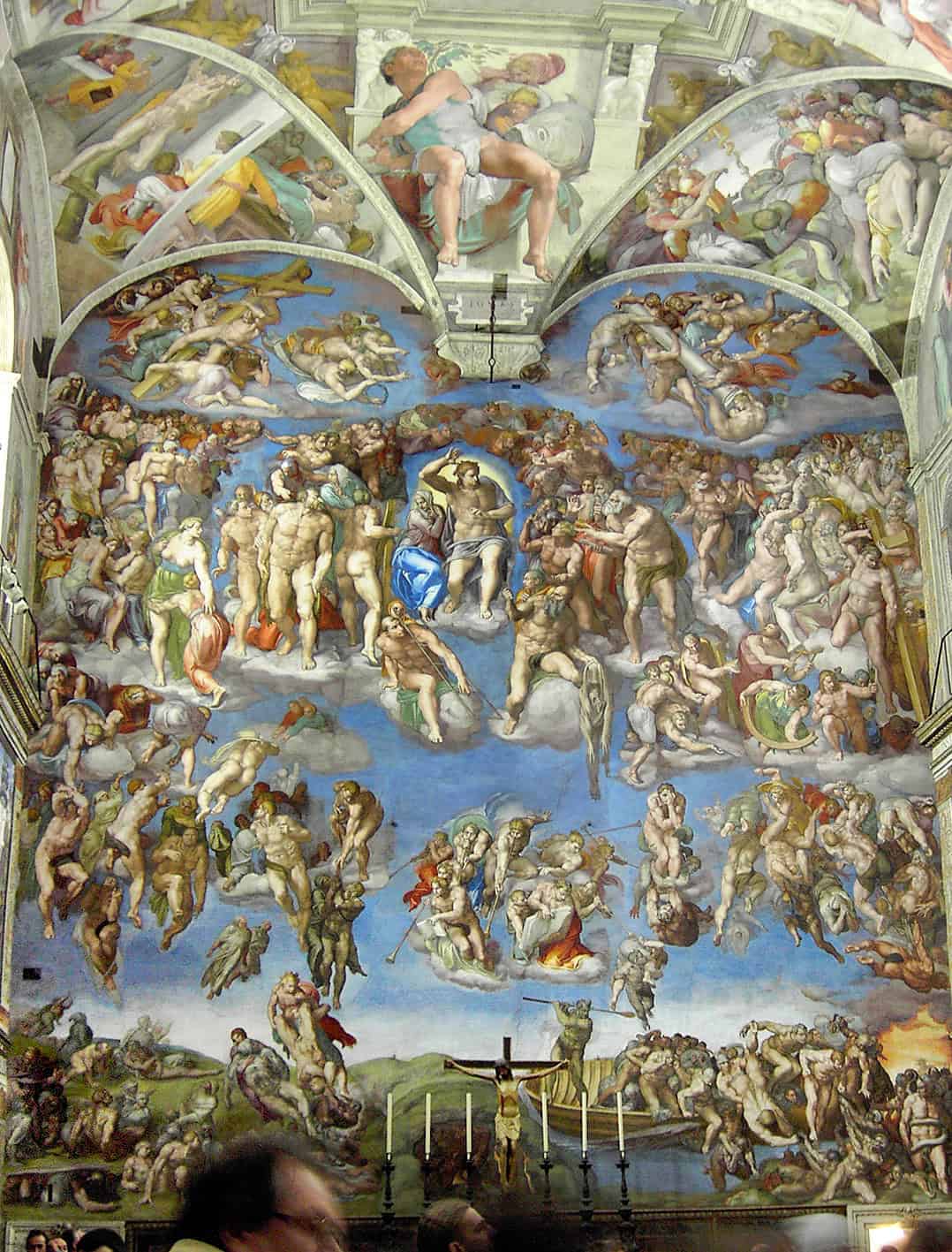
In the morning visit to the Vatican Museums and the Sistine Chapel. The Vatican Museums are counted among the most important museums in the world. They house extremely important masterpieces from Egyptian Age to late Renaissance. The guide will accompany the group on a tour that will unfold in different areas: the Gregorian Etruscan Museum, the Pinacoteca, the Missionary-Ethnological Museum, the Raphael Rooms and, finally, the worldwide famous Sistine Chapel.
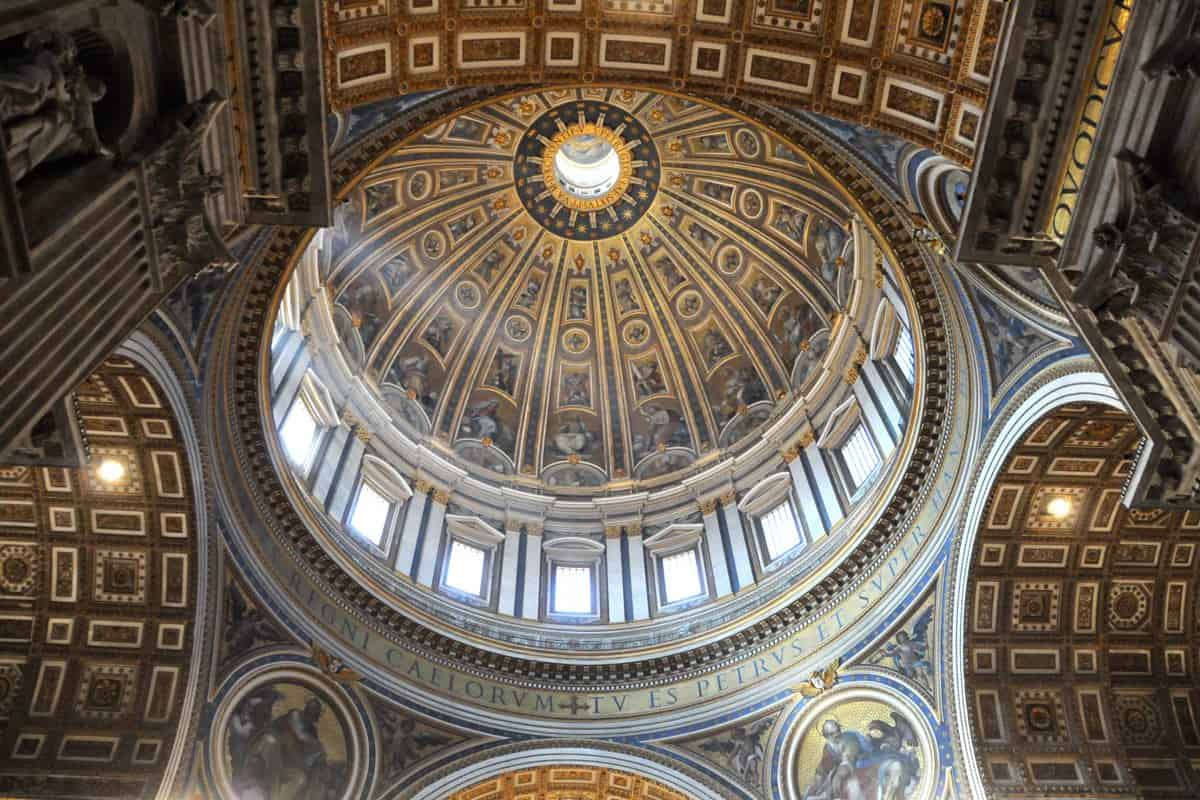
The tour continues with the visit of St. Peter’s Basilica, the largest church in the world, built on the Apostle Peter’s tomb. The Church was commissioned by Constantine and was completed in 349. It took over many centuries to get the present-day appearance and contains several famous artistic masterpieces by Bernini, Michelangelo and Bramante. The oval square is surrounded by quadruple colonnades( 248 columns and 88 Travertine pillars) and represents one of the most beautiful work by Bernini.
At the end of the visit, free time to have lunch in a restaurant of the area.
Free time during the afternoon to explore the city.
In the late afternoon, transfer to the hotel, dinner and overnight accommodation.
DAY 3: Viterbo, Vitorchian and Villa Lante
Breakfast and departure to Viterbo.
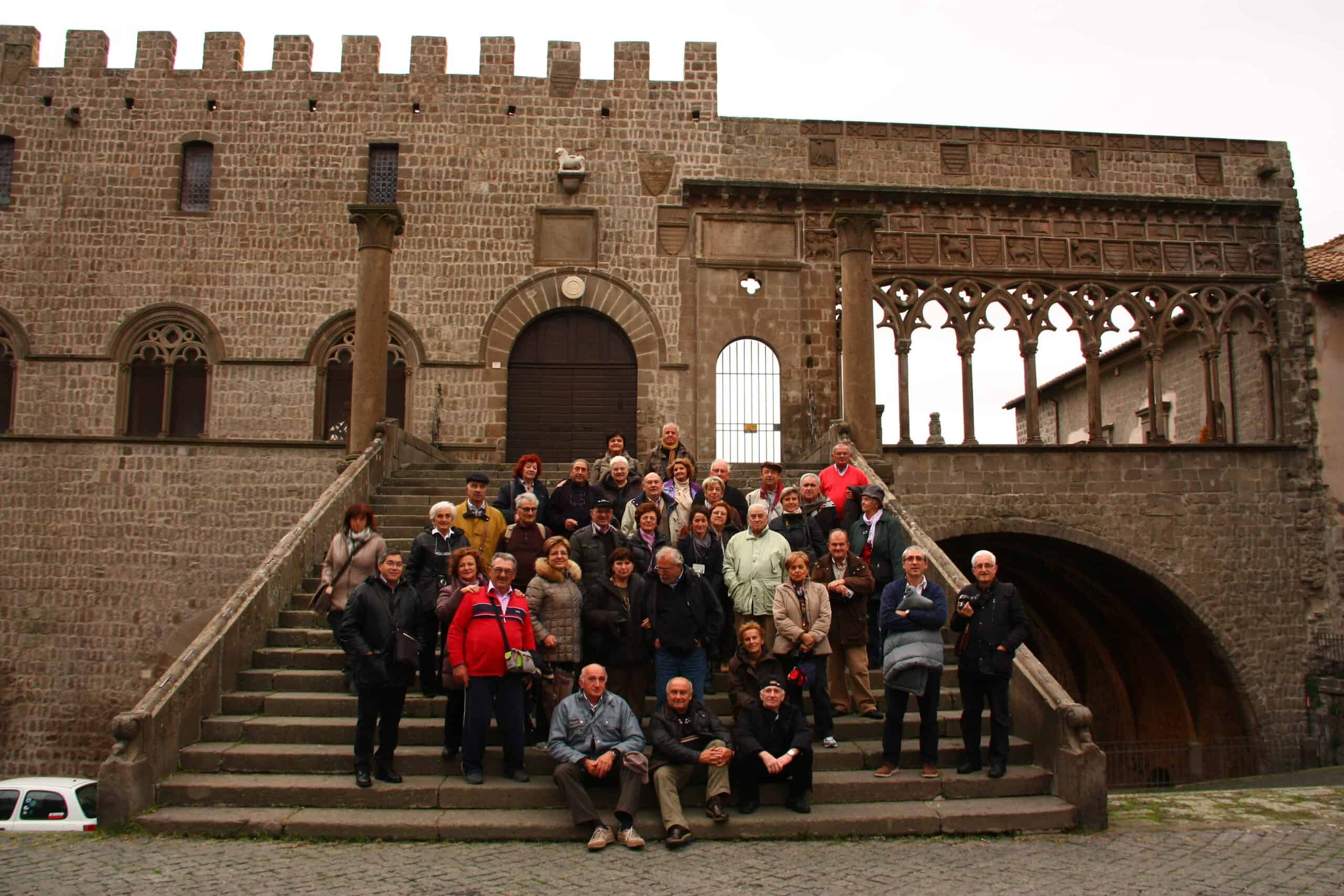
Guided visit of Viterbo during the morning. The historical center of the town, named San Pellegrino, is one of the most characteristic and well preserved in Italy: a real example of a typical medieval town. The visit goes along picturesque alleys to reach the Palazzo Papale (Pope’s palace): built in medieval Gothic style, it is characterised by a loggia with seven arches. For centuries, it was the residence of the Pope.
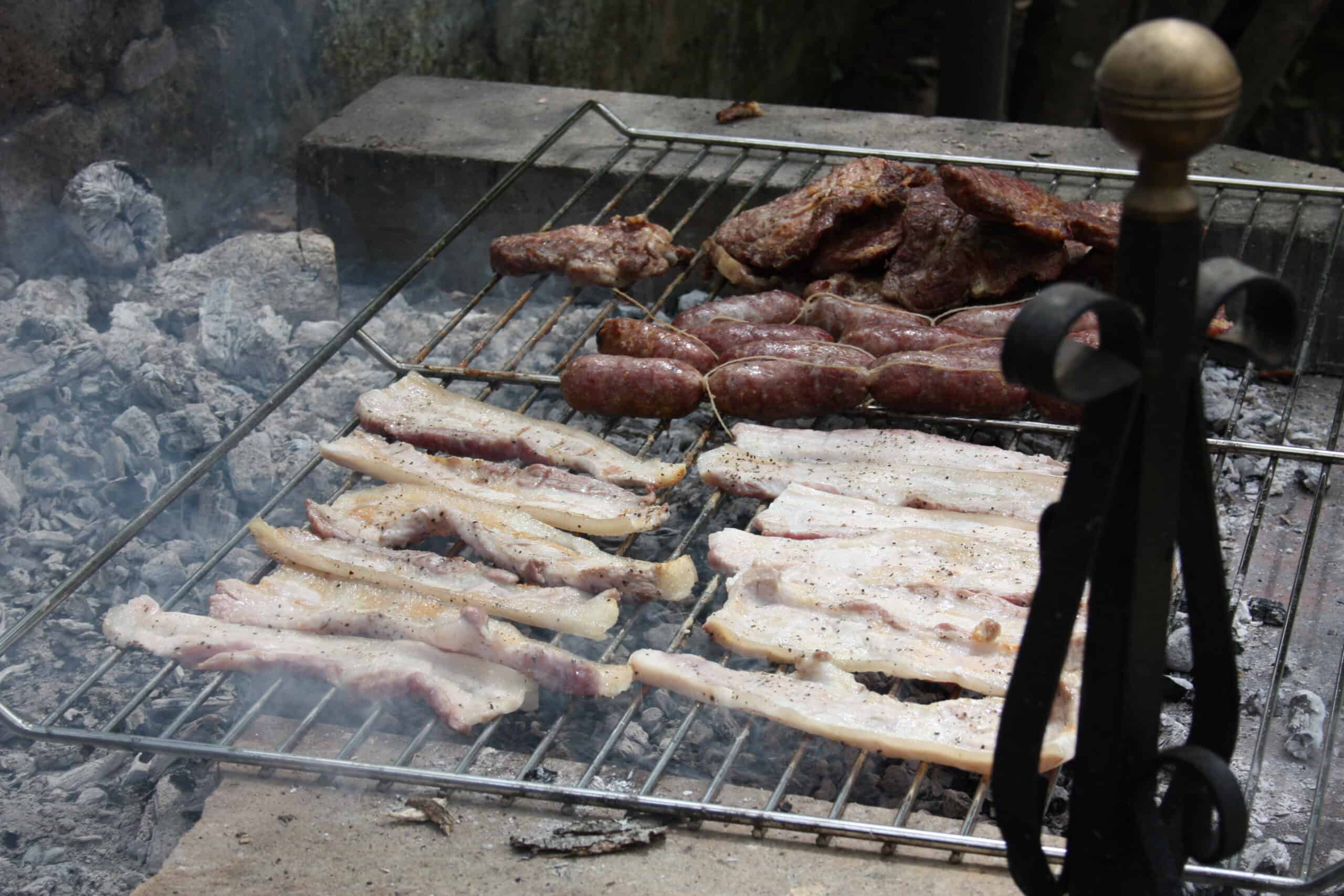
Lunch based on typical products in a local restaurant.
In the afternoon, guided visit of Vitorchiano, which has its roots in Etruscan times. Its history is full of disputes against Rome and Viterbo for its independence, until, spontaneously, in the Middle Ages, it swore a solemn submission to Rome.
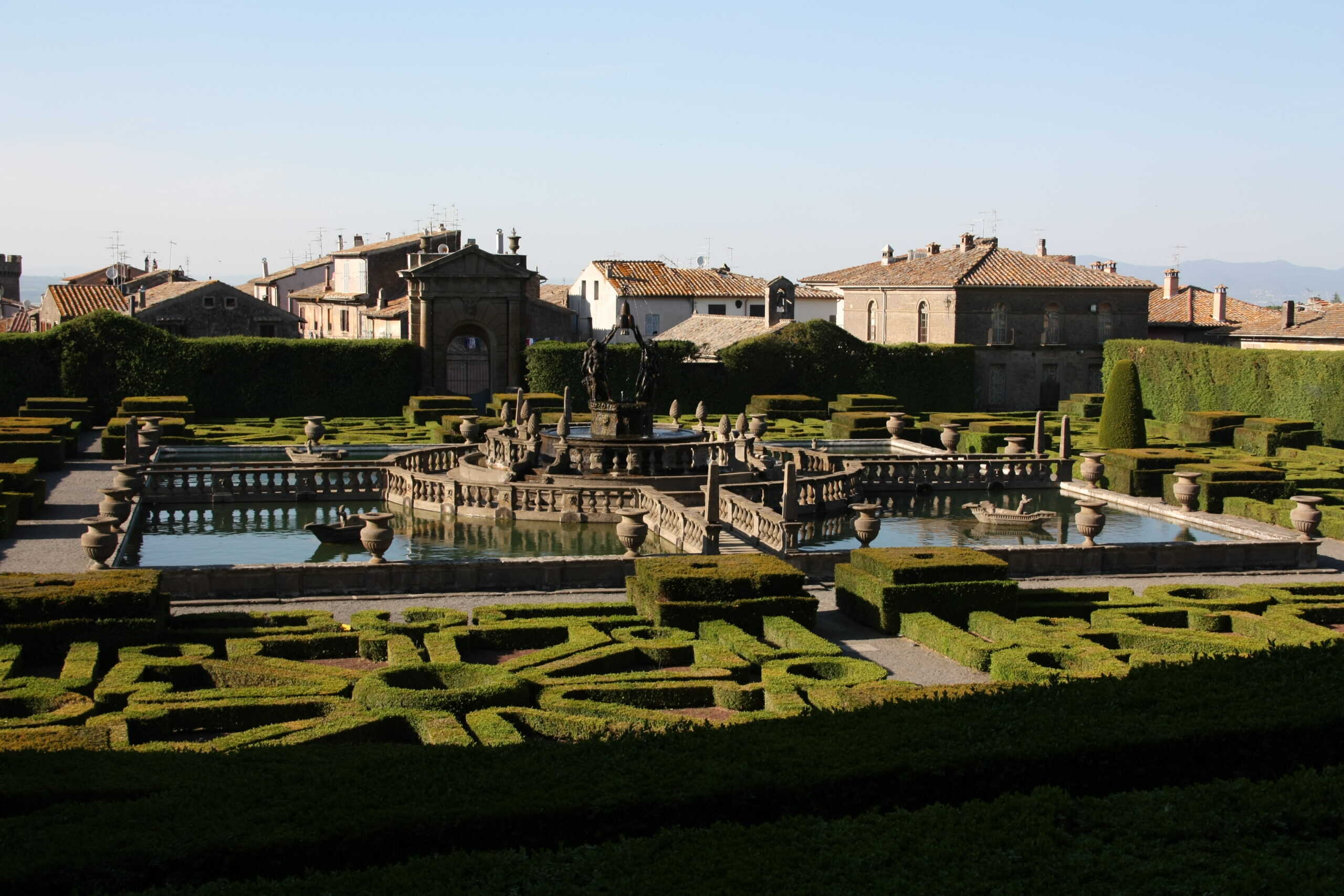
Guided tour of Villa Lante in the late afternoon. The Villa is embellished by dainty fountains, decorated tanks, water games and statues made of “peperino”, the typical stone of the area.
Return to the hotel, dinner and overnight stay.
DAY 4: Boat tour on Lake Bolsena, Marta, Bolsena and Olive oil mill
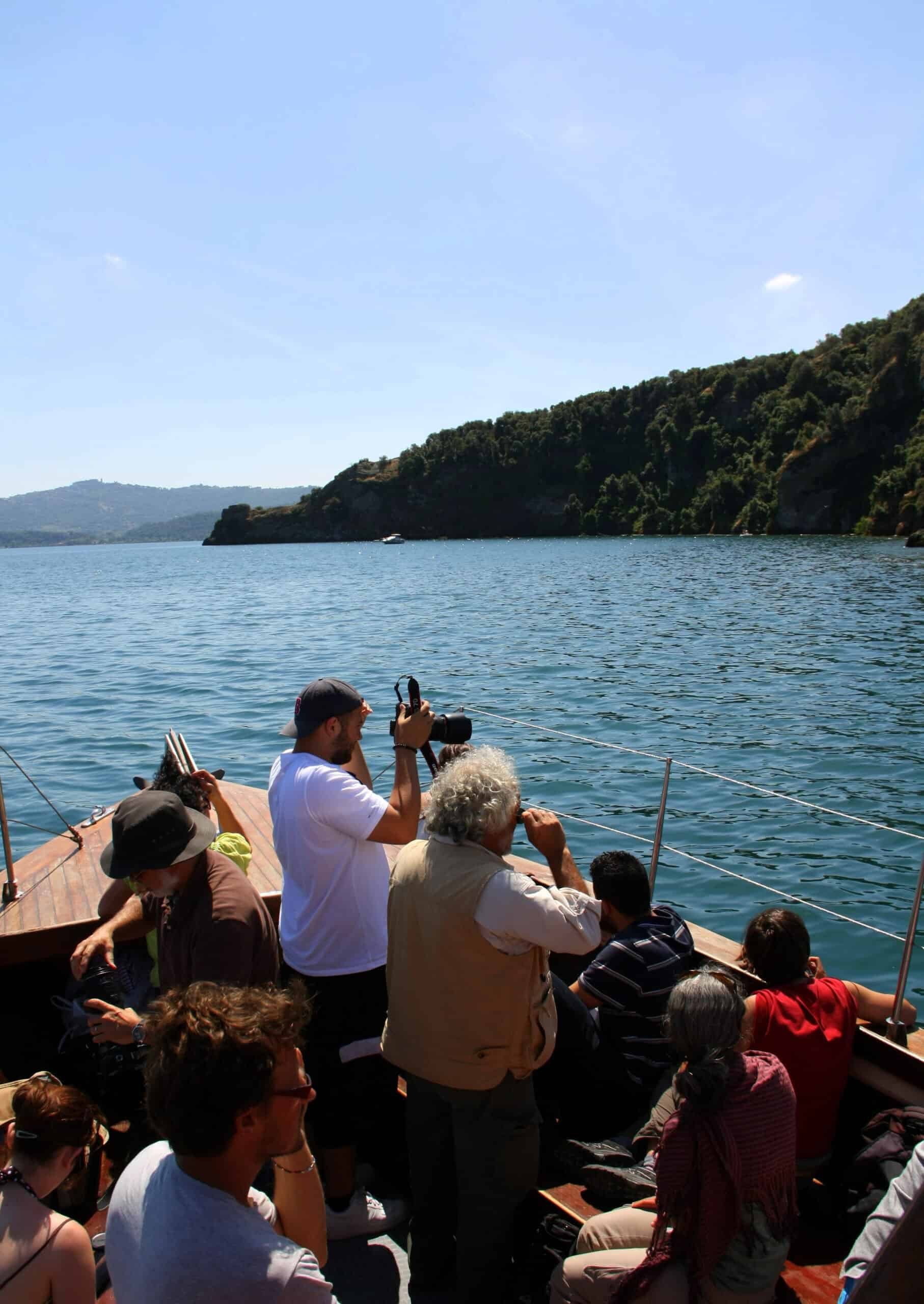
Breakfast and departure for Capodimonte, a small village perched on the shores of Lake Bolsena. Here the group will enjoy a guided excursion by boat. A panoramic tour with historical notes and curiosities about the towns that overlook the lake, as well as the Bisentina Island and the Martana Island. The islands, first owned by the lords of Bisenzio, then by the Farnese and the Papal State, were disputed for centuries.
In the late morning, guided visit of Marta, a tiny village of fishermen. The center of this village lies on a hill where, in 1260, Pope Urbano IV built a clock tower overlooking the lake. The houses built into the tuff, the external stairways and the narrow lanes make this center unique and enchanting. The group can also enjoy a walk along the shoreline, where at the end of the fishing day, the fishermen arrange their boats and stretch their nets out in the sun.
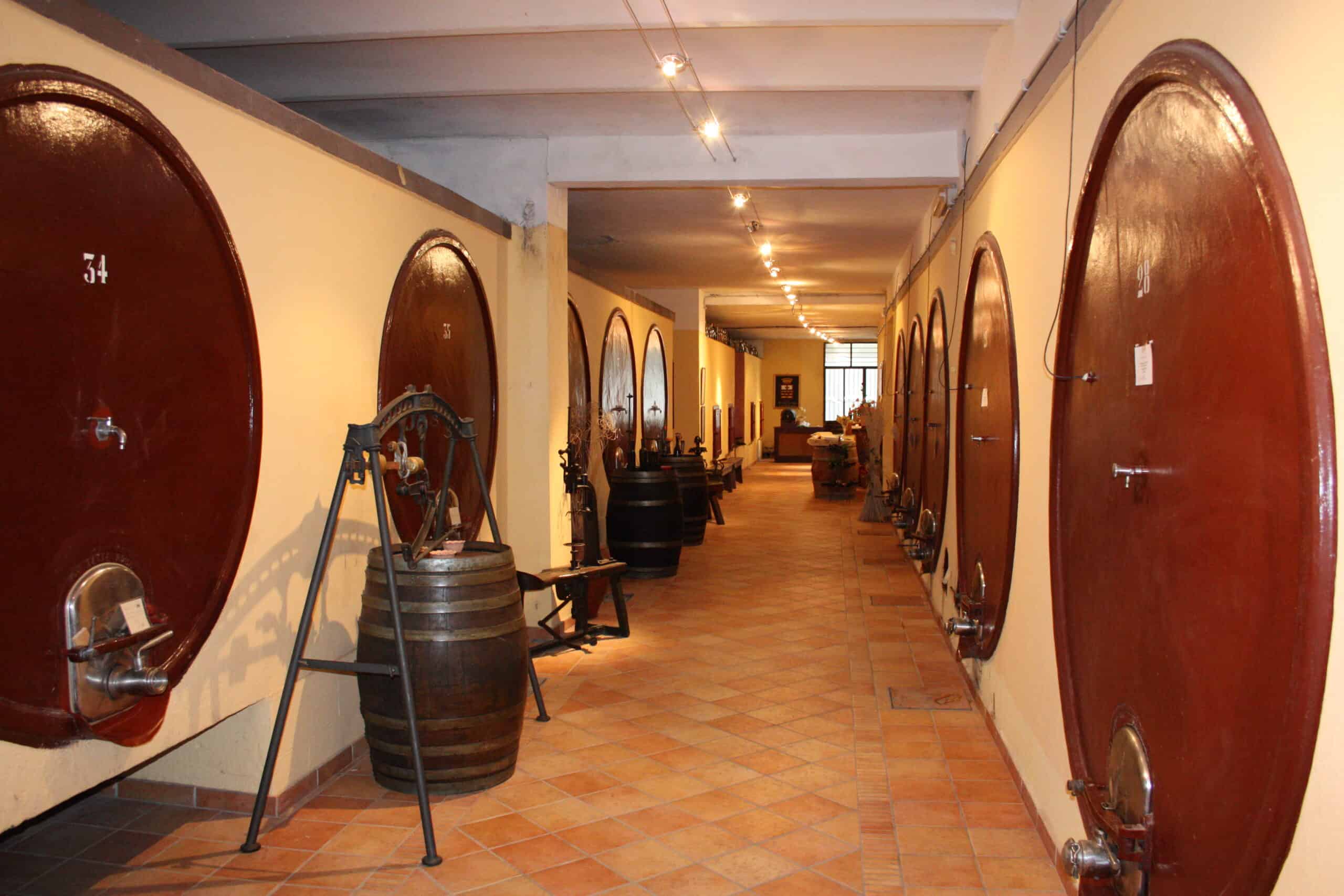
At the end of the visit, tasting lunch in a local winery.
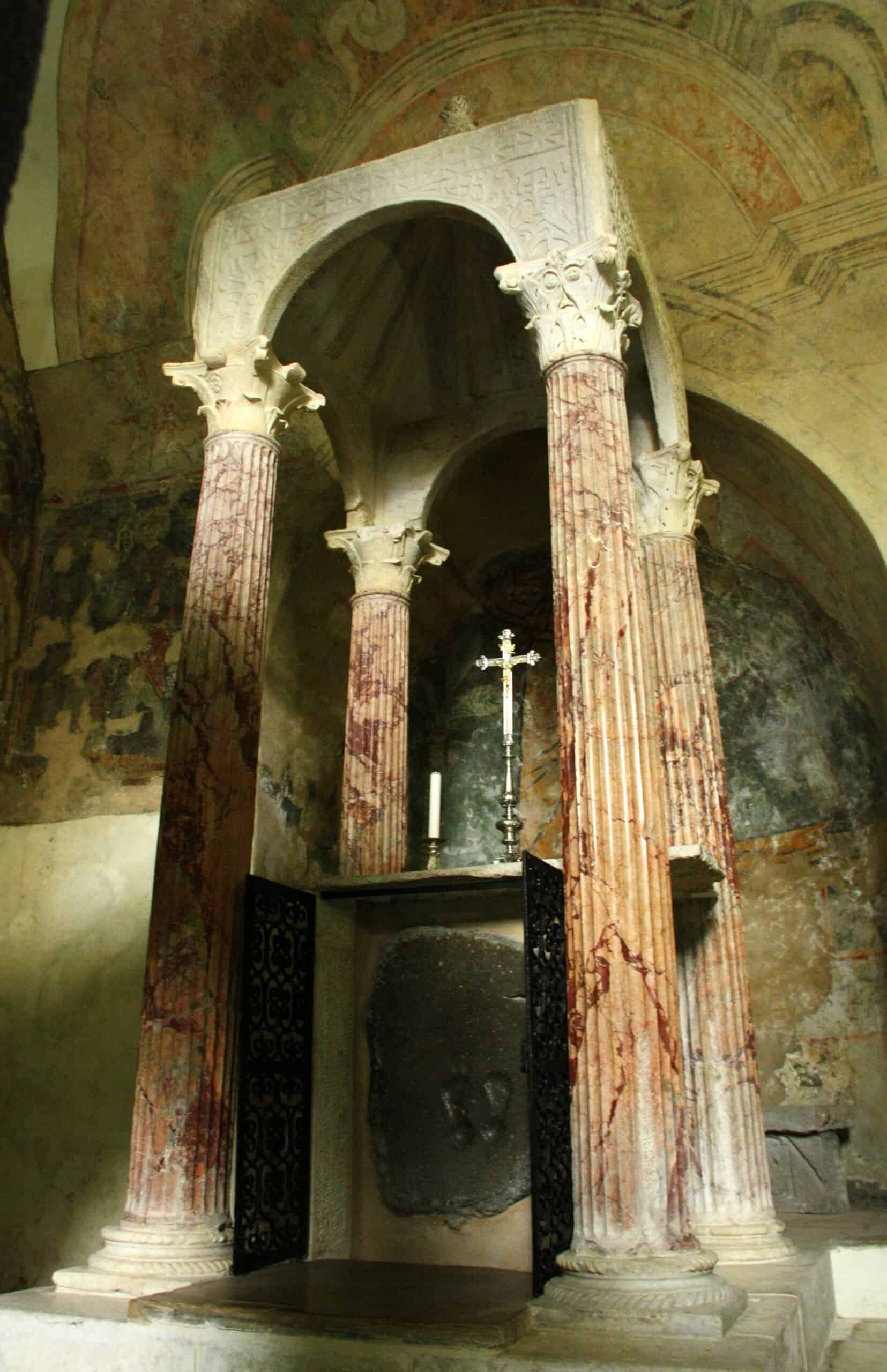
Guided visit of Bolsena during the afternoon, a picturesque village overlooking the Lake, whose origins date back to the 3rd century BC. The tour will include a guided visit of the catacombs in the Basilica of Santa Cristina, which dates back to 4th century AD. The catacombs consist of a labyrinth of corridors carved in the rock of the mountain. This cathedral/sanctuary was a stage for pilgrims on the route of the ancient Via Francigena to Rome. Two major events marked this place that has its roots in Christianity: the martyrdom of Santa Cristina and the Eucharistic Miracle of 1263, both tangible signs of Christ’s work on humans.
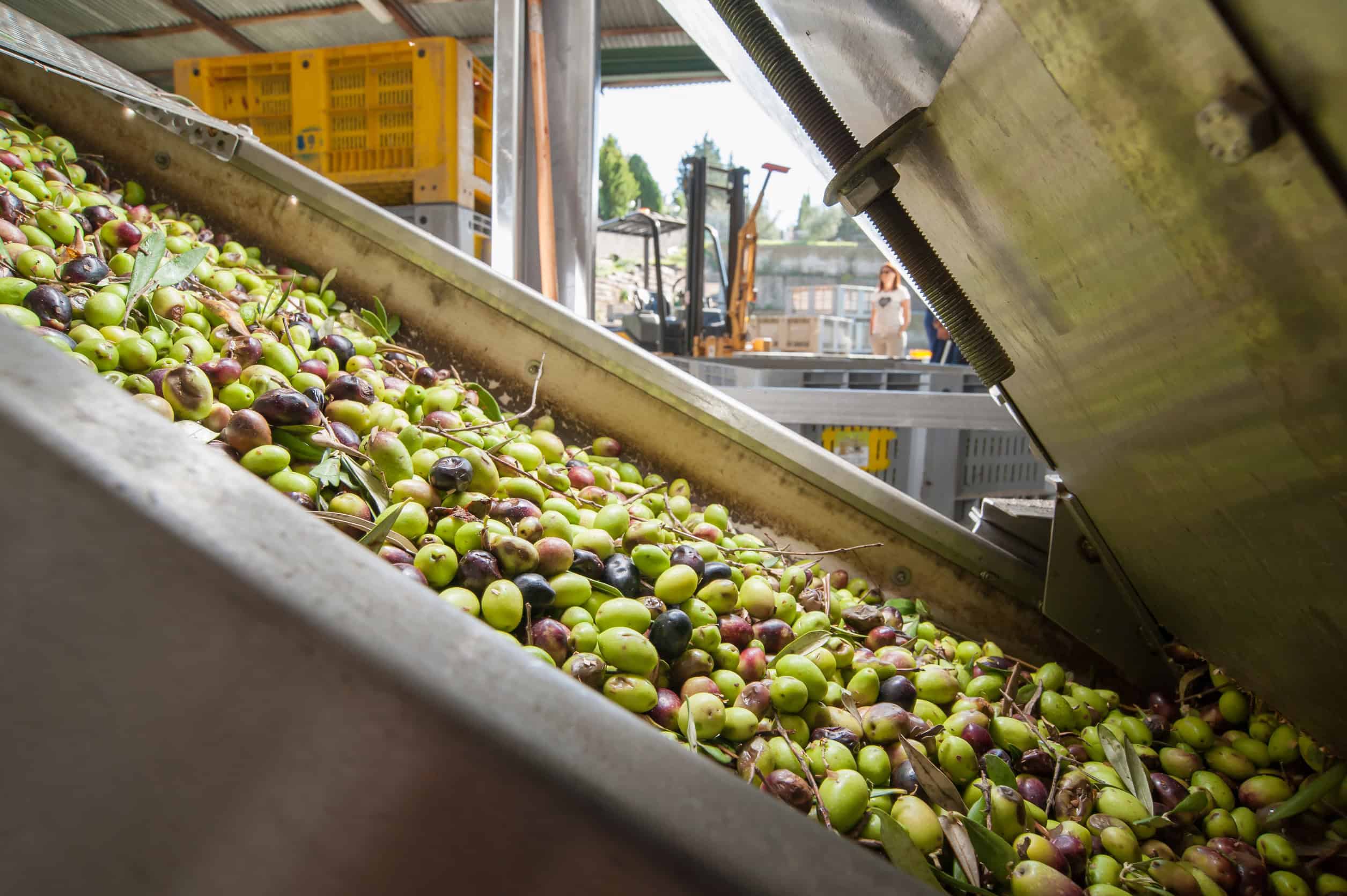
In the late afternoon, visit of a traditional olive oil mill. Guest will be shown the whole milling process, at the end of which a tasting of oils and “bruschette” will be provided.
Return to the hotel, dinner and overnight stay.
DAY 5: Palazzo Farnese and Tuscania
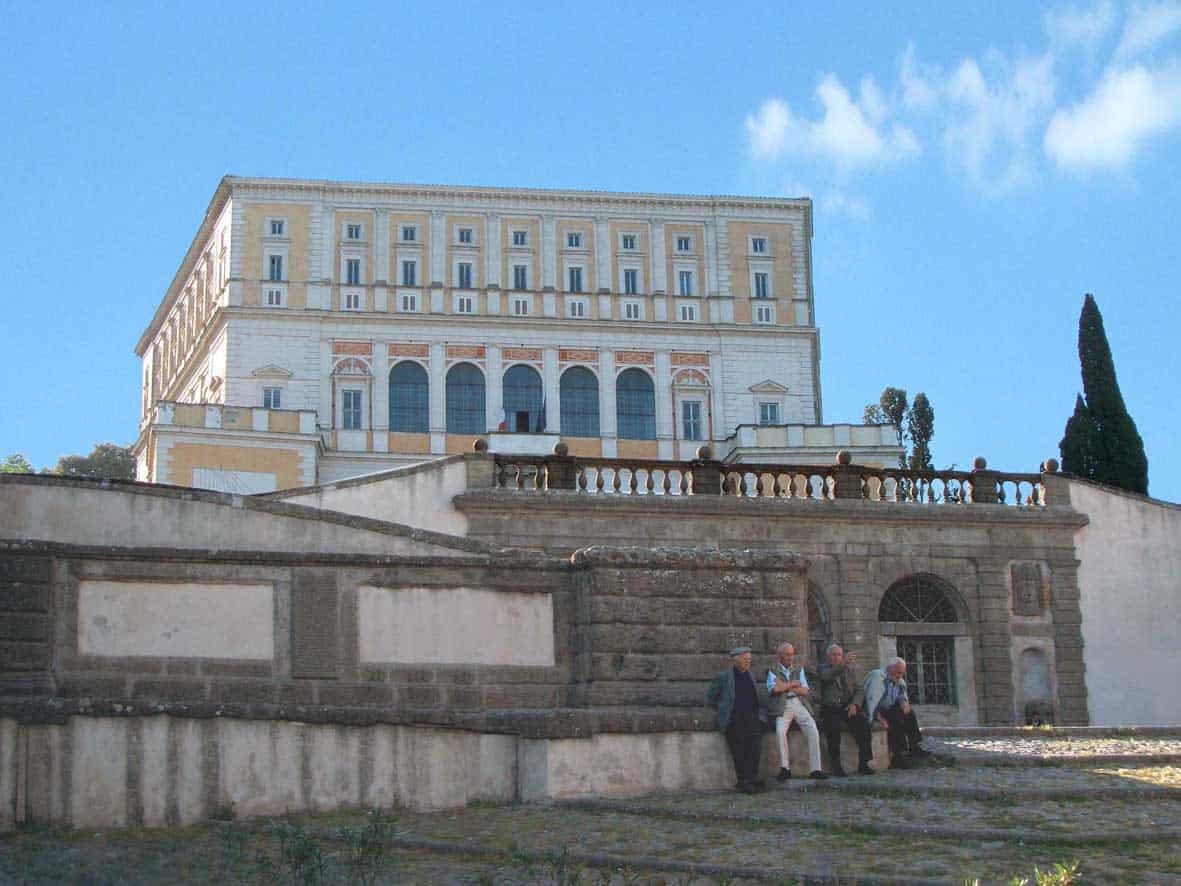
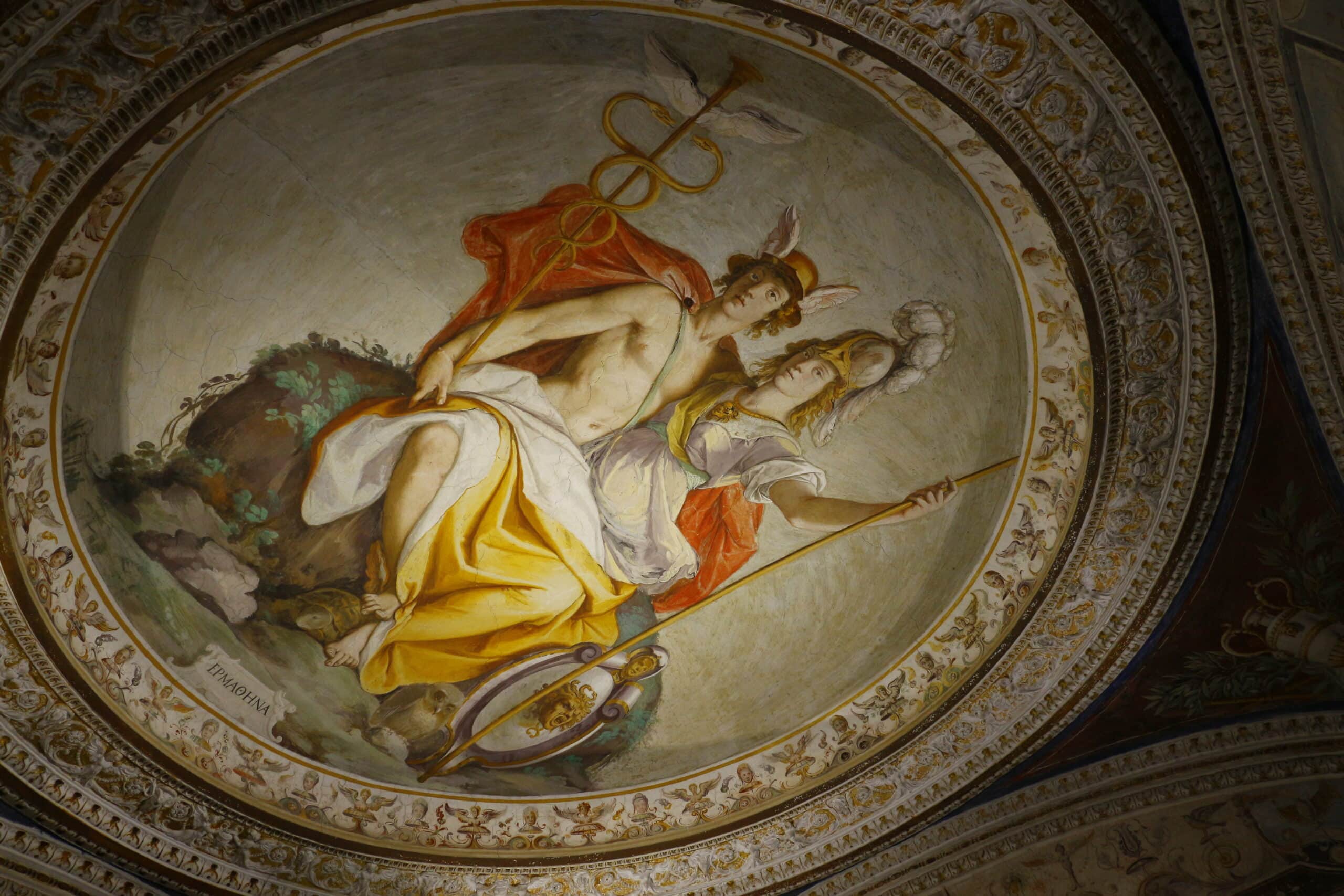
Breakfast and departure for Caprarola for a guided visit of Palazzo Farnese. Rich in frescoes and surrounded by Italian gardens, it was founded as a fortress in a pentagonal structure, which was then skilfully turned into a majestic 16th century residence for Alessandro Farnese, the nephew of Pope Paolo III. Inside there is the charming Scala Regia, a wonderful spiral staircase resting on 30 Doric columns. The steps are so large that the stairs can be climbed on horseback!
Lunch in a restaurant of the area.
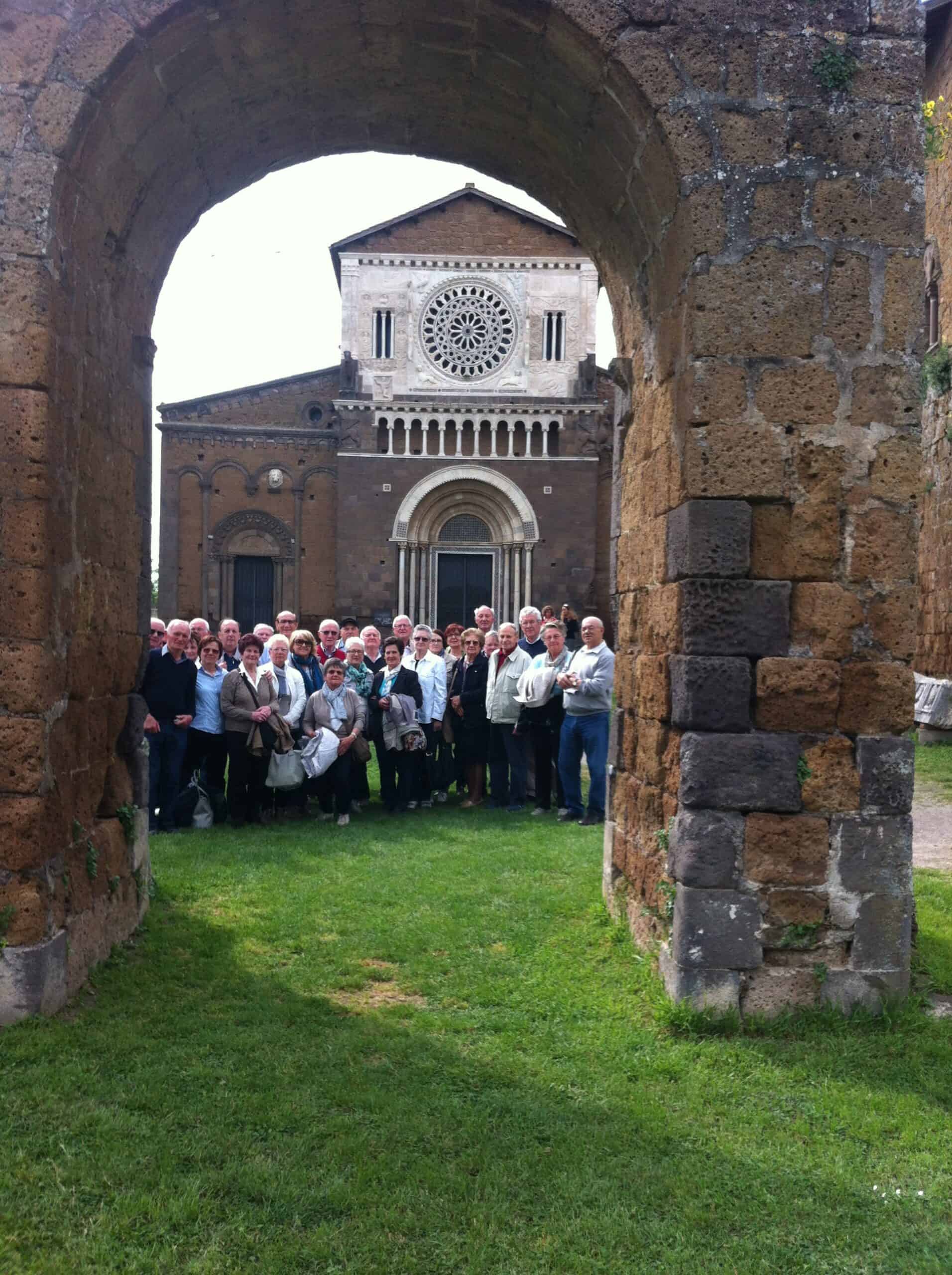
In the afternoon, guided visit of the charming village of Tuscania and its Belvedere. The population of this town dates back to the Bronze Age. Here each era has left its mark, “as the brush stroke of an artist in a painting”. Among the churches, remarkable is that of St. Peter’s, chosen by Zeffirelli in his “Romeo and Juliet.”
At the end of the visit, return to the hotel, dinner and overnight stay.
DAY 6: Civita di Bagnoregio and Orvieto
Breakfast and departure to Civita di Bagnoregio.
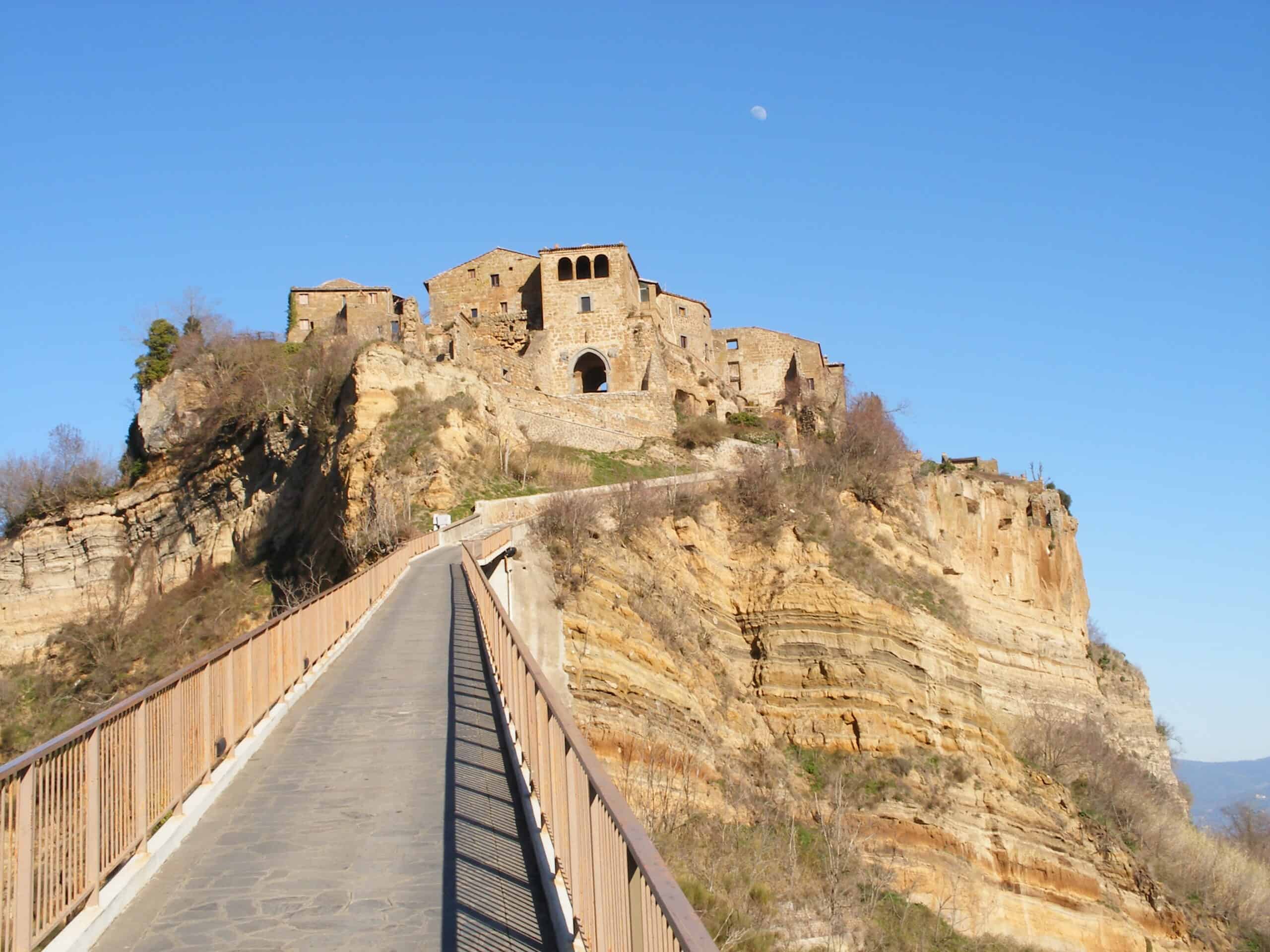
Guided tour of Civita di Bagnoregio. Because the mountain where the village was built is endlessly eroding, it is also known as “The Dying Town”. Civita is now submerged in the fabulous setting of the “Calanchi”, an area which guards cultures, ancient traditions and the amazing landscape of the village.
At the end of the visit, free time to have lunch in a restaurant of the area.
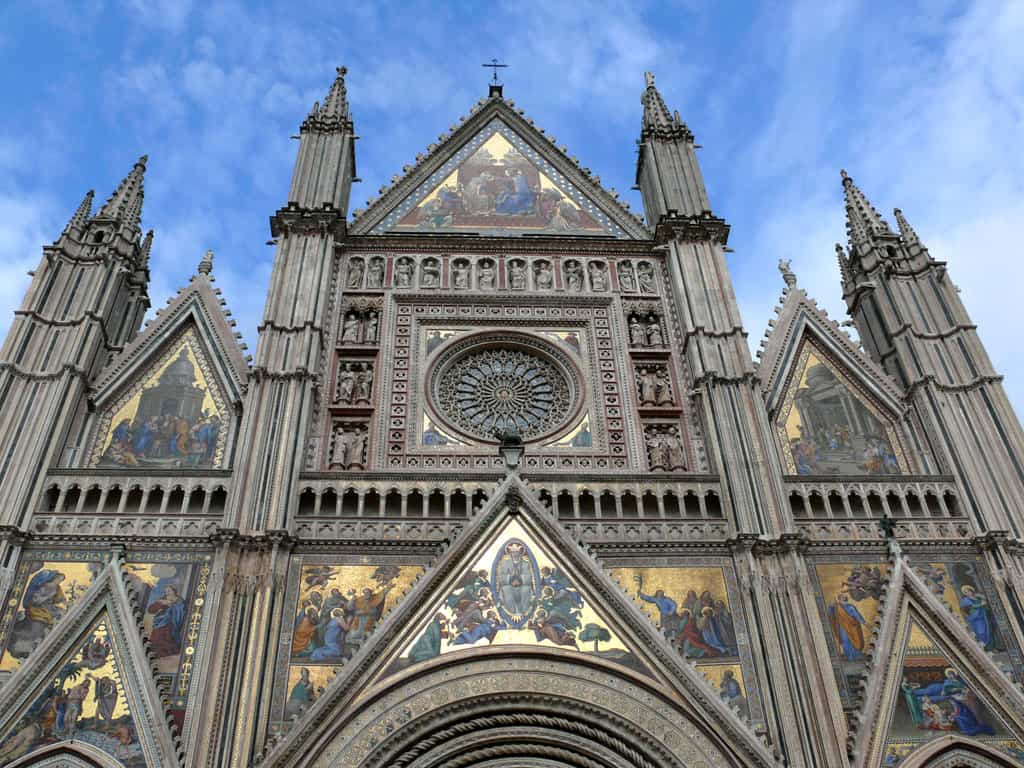
Guided tour of Orvieto during the afternoon. Inhabited for the first times by the Etruscans, today it is a town rich in historical and artistic remains. Orvieto is also known worldwide for its Duomo, whose construction dates back to the 1263 at the behest of Pope Urban IV. This masterpiece of Gothic architecture has a stunning façade with precious mosaic decorations.
In the late afternoon, transfer to Rome.
In the evening, dinner and overnight accommodation at the hotel.
DAY 7: Castel Sant’Angelo
Breakfast and meeting with the guide.
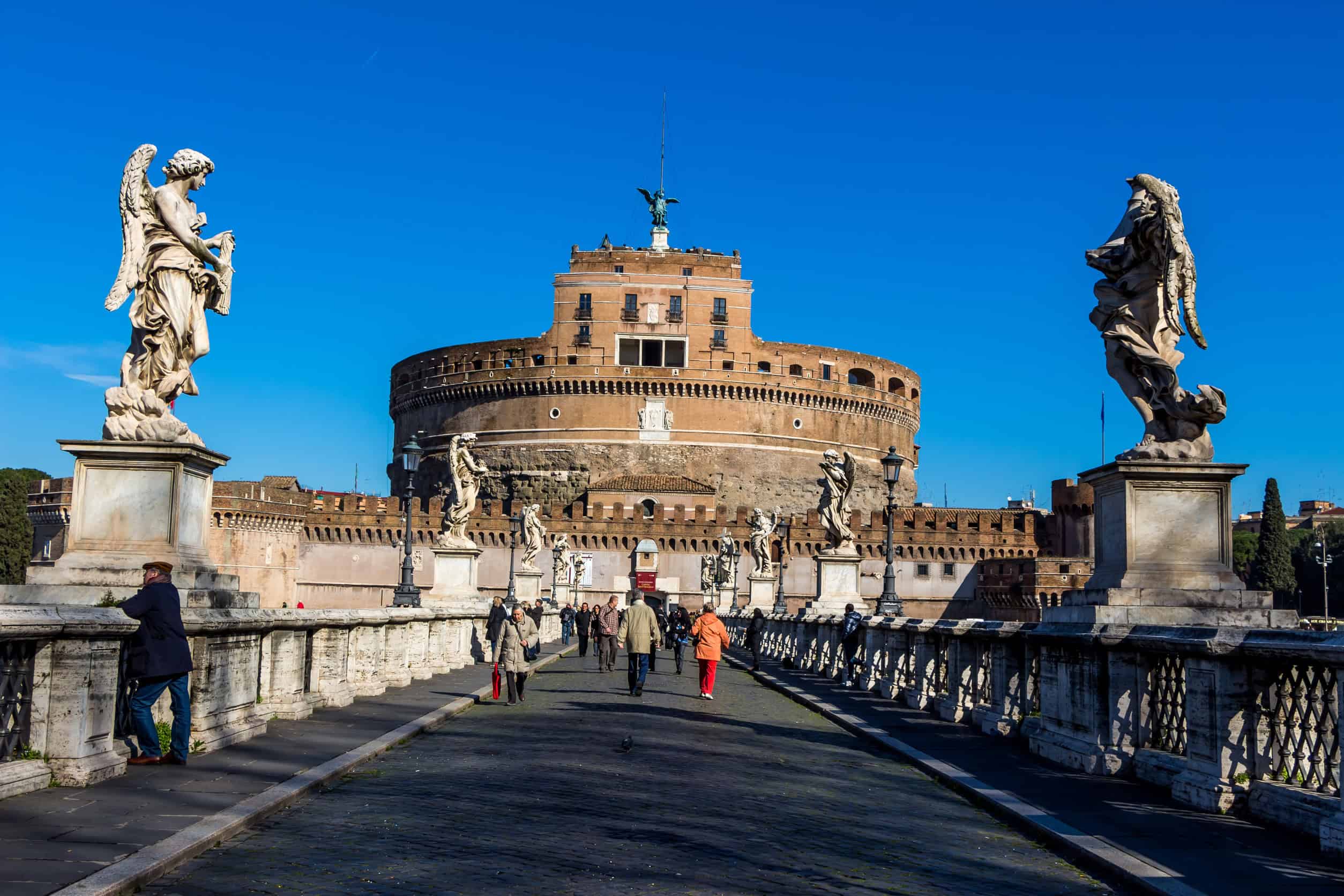
In the morning, visit of Castel Sant’Angelo. The fortress is connected to the Papal State through a fortified corridor called “Passetto”, which passes on the Vatican Walls. Originally, Castel Sant’Angelo was built as a mausoleum for the Emperor Adriano. It is possible to visit 58 rooms, which tell the whole story of the Castle. Not to be missed A must-see are also the Sala Paolina with frescoes made by Pellegrino Tibaldi, the Alexander VI‘s stairs and the magnificent view from the terrace.
At the end of the visit, free time to have lunch in a restaurant of the area.
Free time during the afternoon to explore the town.
Return to the hotel, dinner and overnight stay.
We don’t want our guests to leave without a tasty souvenir of this trip: that is why a gastronomic lottery of typical Italian cold cuts will be offered during the last dinner together, as well as a parting gift: a bottle of high quality local extra virgin olive oil.
DAY 8: Departure
Breakfast and transfer to the FCO APT.
End of our services.