Why choose this tour?
Ideal for foodies, Italian history enthusiasts, and nature lovers, this tour explores the Principality of Donna Olimpia, one of the most prominent women in Rome’s history, and the lands around it. Perfect for warmer weather, a boat ride on the lake, a visit to one of the oldest medieval quarters in Italy, and a stop at a local winery make this journey truly unique.
DAY 1: Tuscania
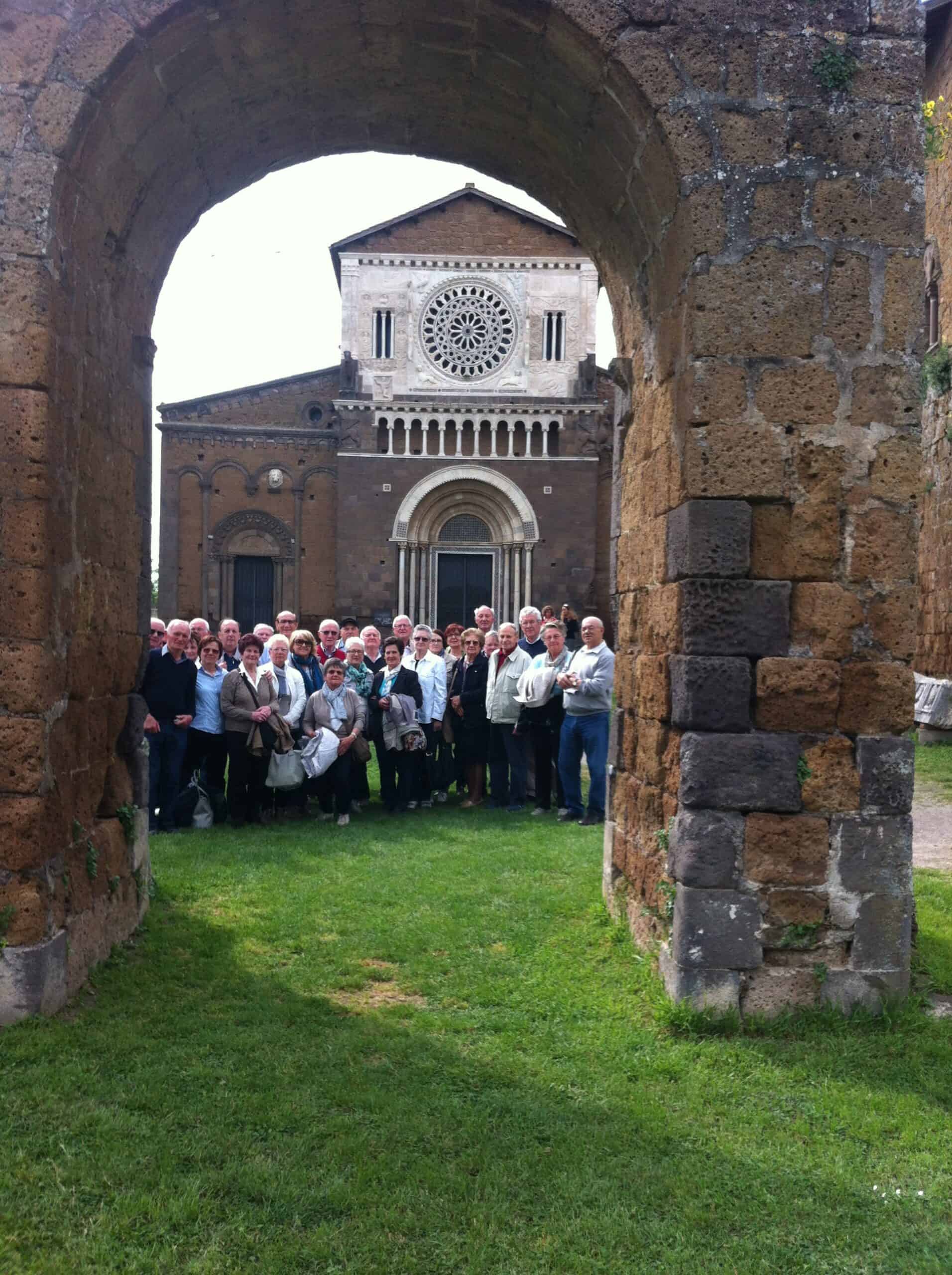
In the afternoon, guided visit of the charming village of Tuscania and its Belvedere. The population of this town dates back to the Bronze Age. Here each era has left its mark, “as the brush stroke of an artist in a painting”. Among the churches, remarkable is that of St. Peter’s, chosen by Zeffirelli in his “Romeo and Juliet.”
At the end of the visit, return to the hotel, dinner and overnight stay.
DAY 2: Boat tour on Lake Bolsena, Marta and Bolsena
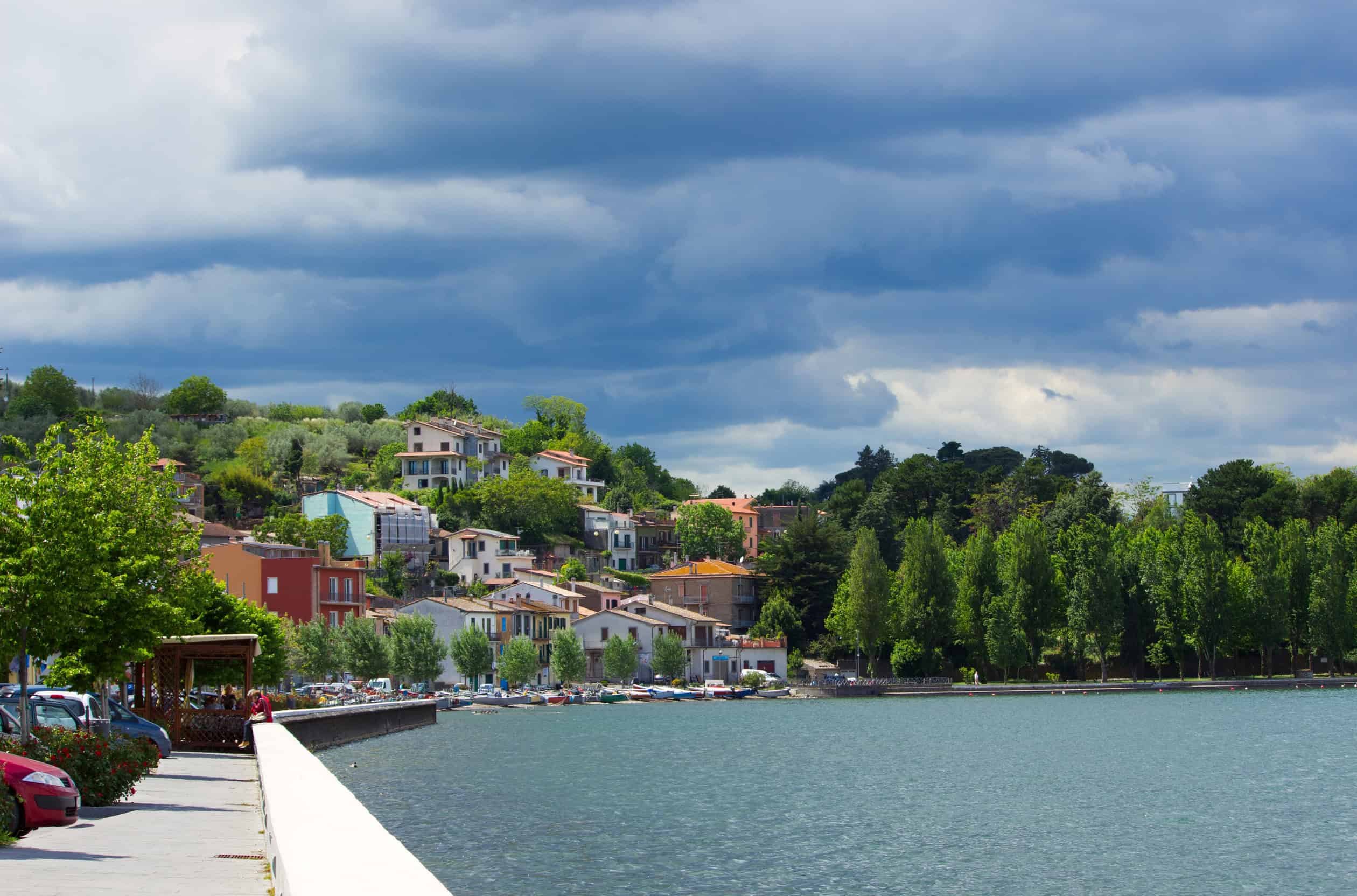
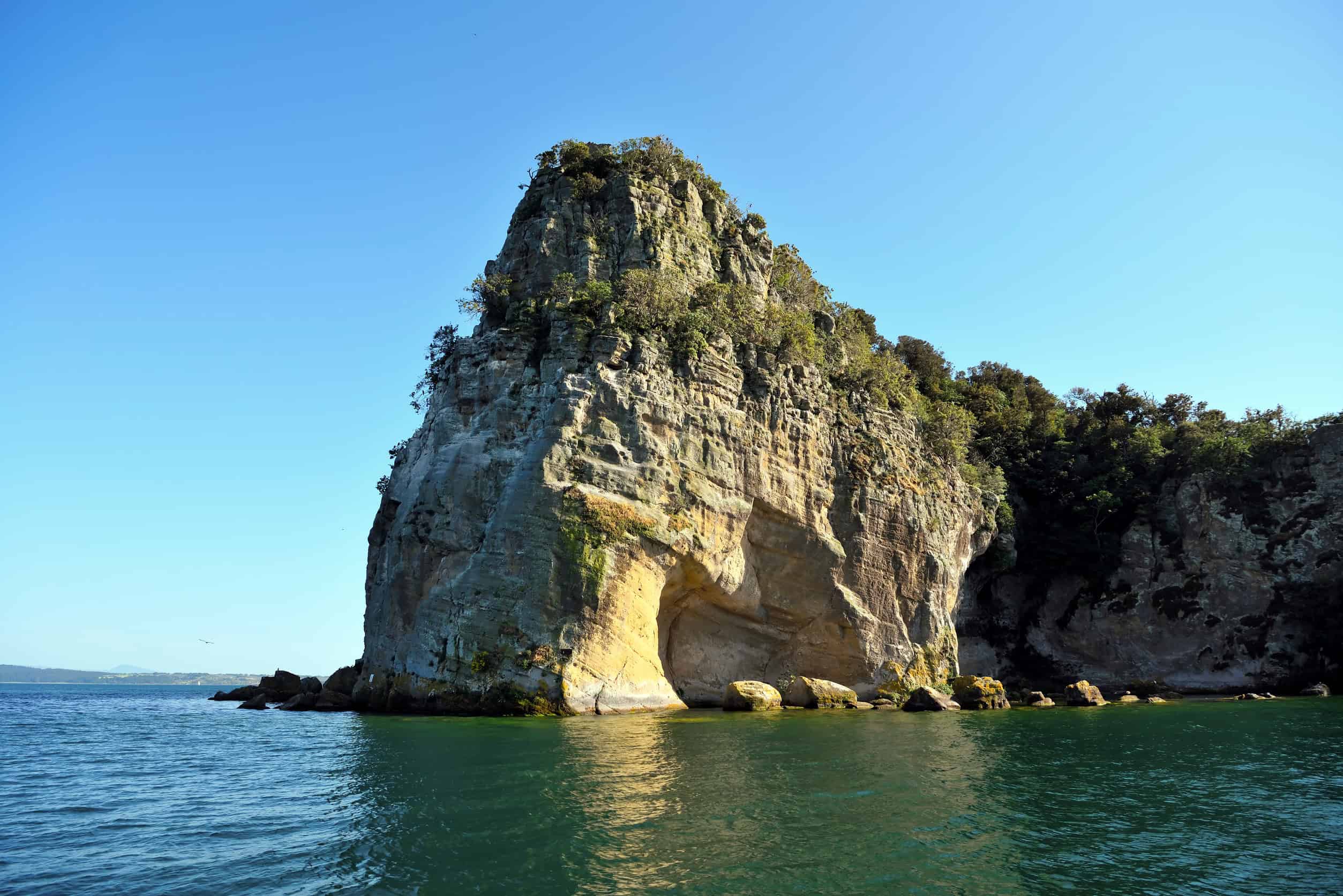
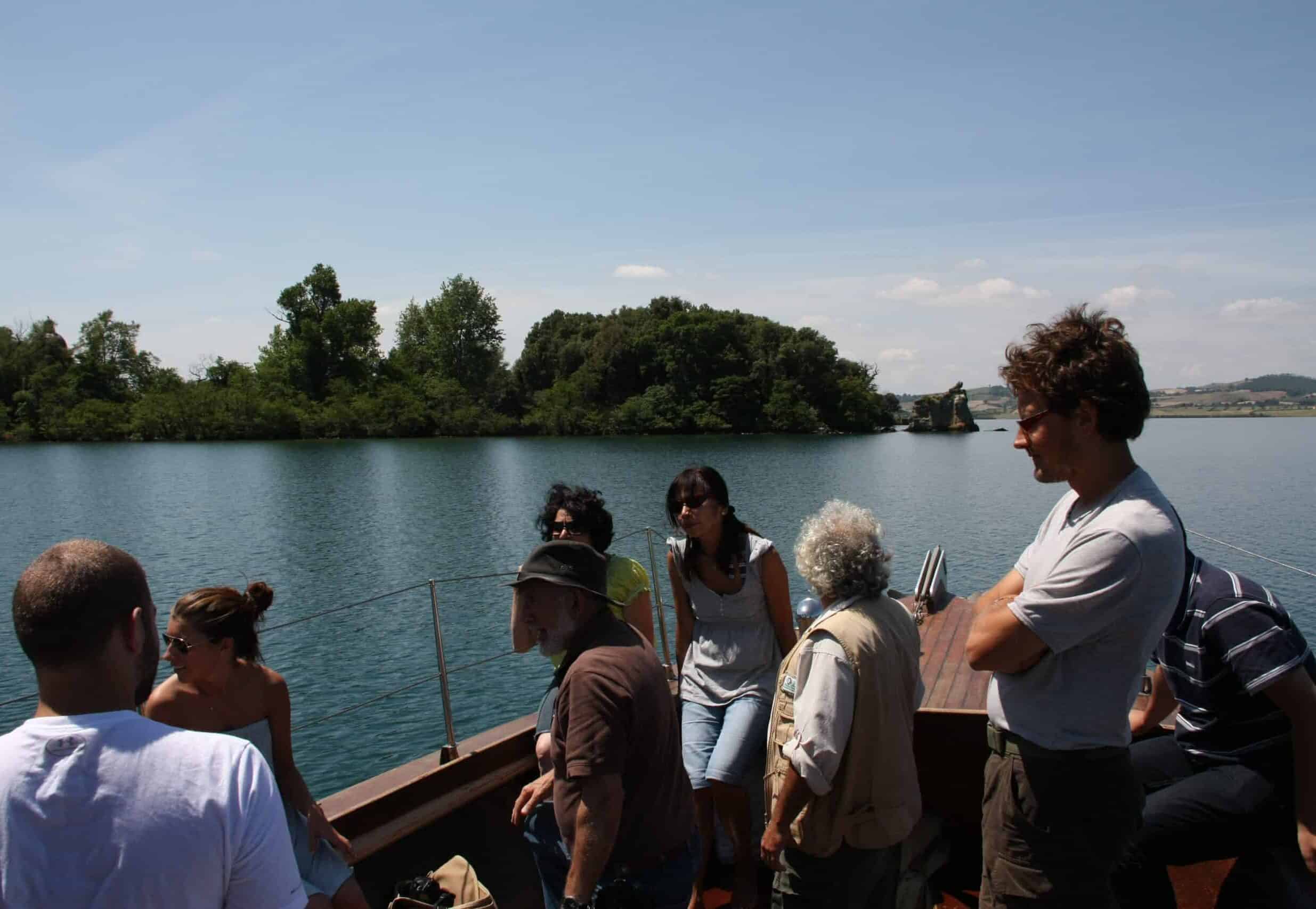
Breakfast and departure for Capodimonte, a small village perched on the shores of Lake Bolsena. Here the group will enjoy a guided excursion by boat. A panoramic tour with historical notes and curiosities about the towns that overlook the lake, as well as the Bisentina Island and the Martana Island. The islands, first owned by the lords of Bisenzio, then by the Farnese and the Papal State, were disputed for centuries.
In the late morning, guided visit of Marta, a tiny village of fishermen. The center of this village lies on a hill where, in 1260, Pope Urbano IV built a clock tower overlooking the lake. The houses built into the tuff, the external stairways and the narrow lanes make this center unique and enchanting. The group can also enjoy a walk along the shoreline, where at the end of the fishing day, the fishermen arrange their boats and stretch their nets out in the sun.
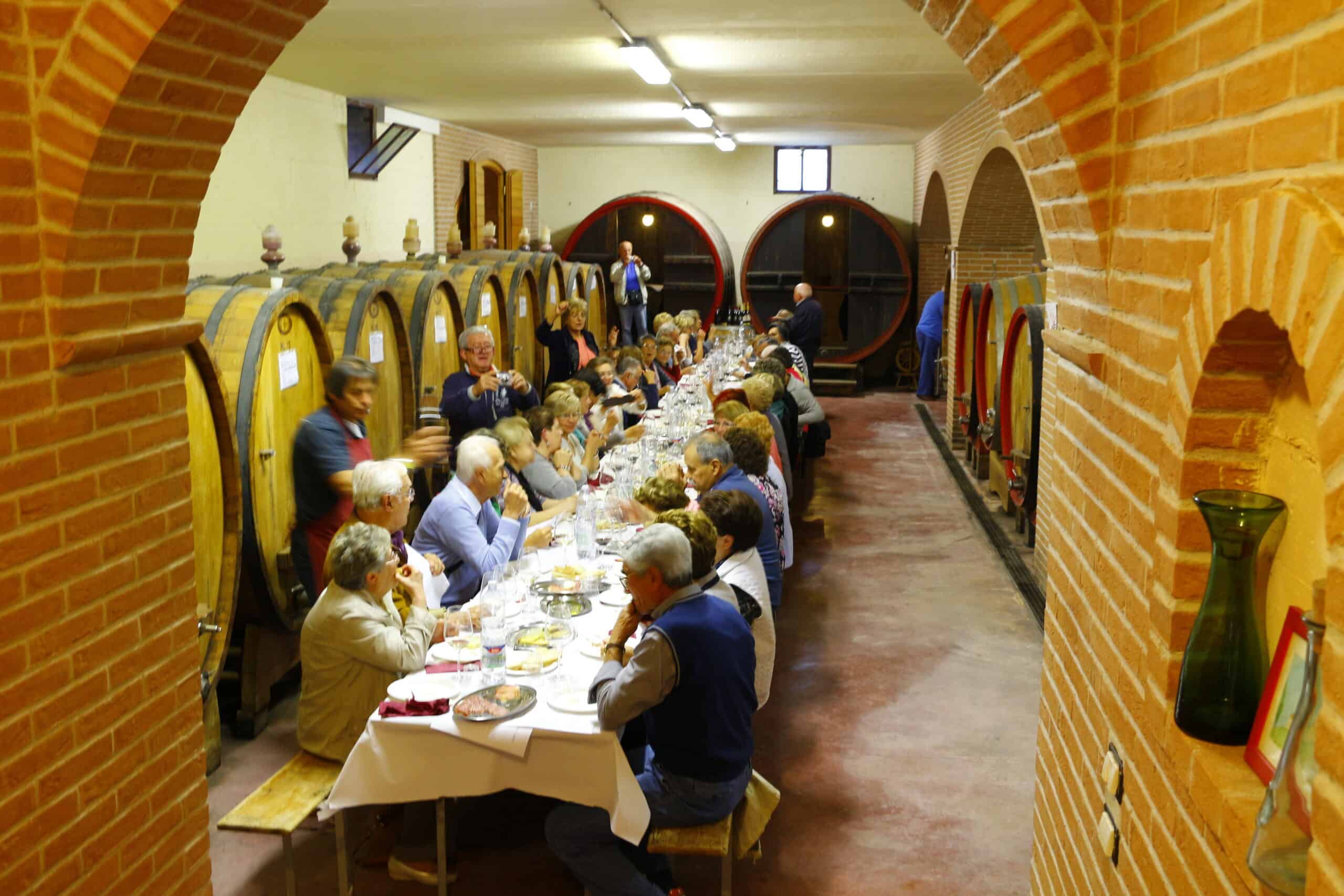
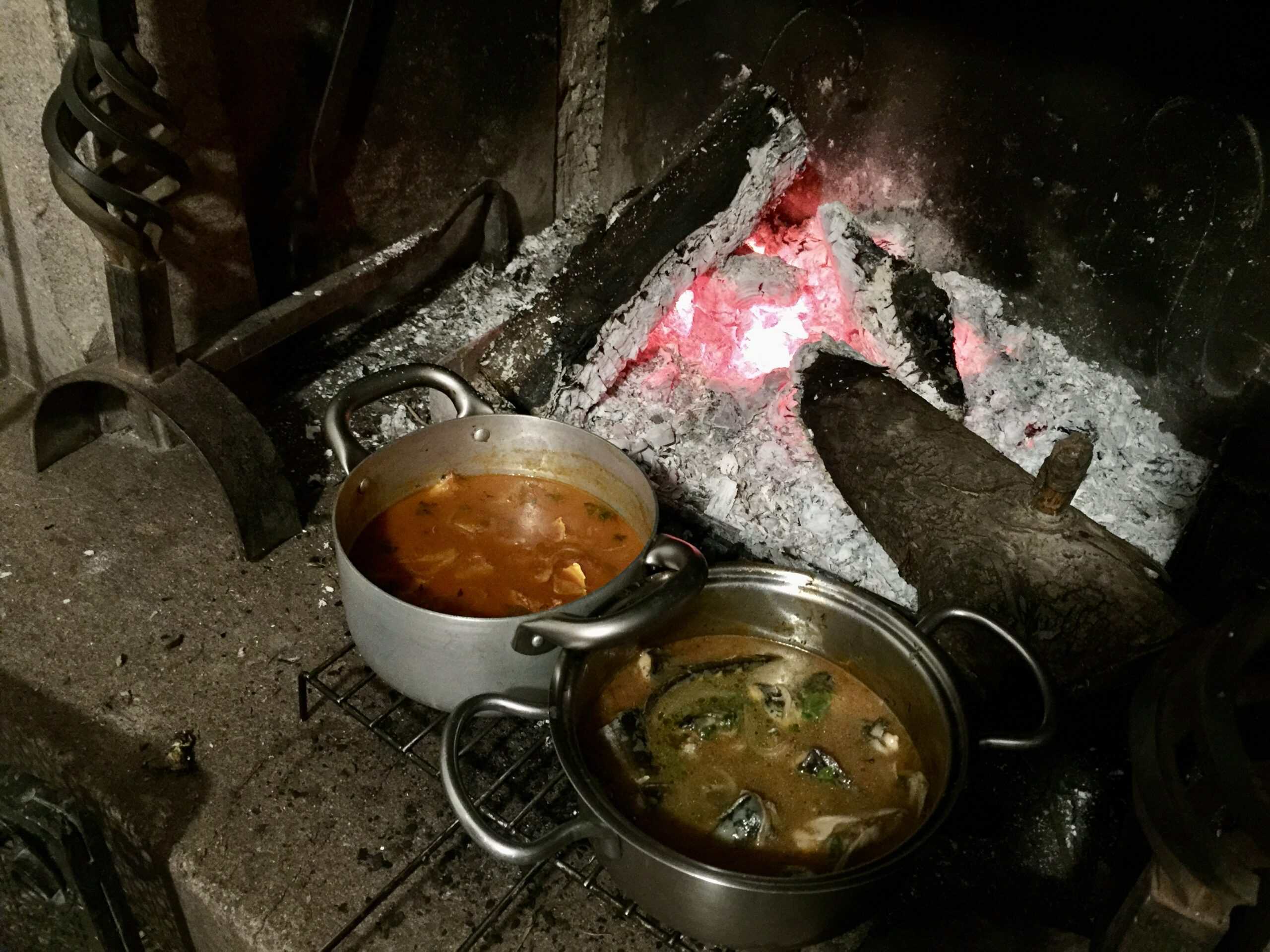
At the end of the visit, tasting lunch in a local winery.
Guided visit of Bolsena during the afternoon, a picturesque village overlooking the Lake, whose origins date back to the 3rd century BC. The tour will include a guided visit of the catacombs in the Basilica of Santa Cristina, which dates back to 4th century AD. The catacombs consist of a labyrinth of corridors carved in the rock of the mountain. This cathedral/sanctuary was a stage for pilgrims on the route of the ancient Via Francigena to Rome. Two major events marked this place that has its roots in Christianity: the martyrdom of Santa Cristina and the Eucharistic Miracle of 1263, both tangible signs of Christ’s work on humans.
In the evening, return to the hotel, dinner and overnight stay.
DAY 3: Viterbo and San Martino al Cimino Abbey
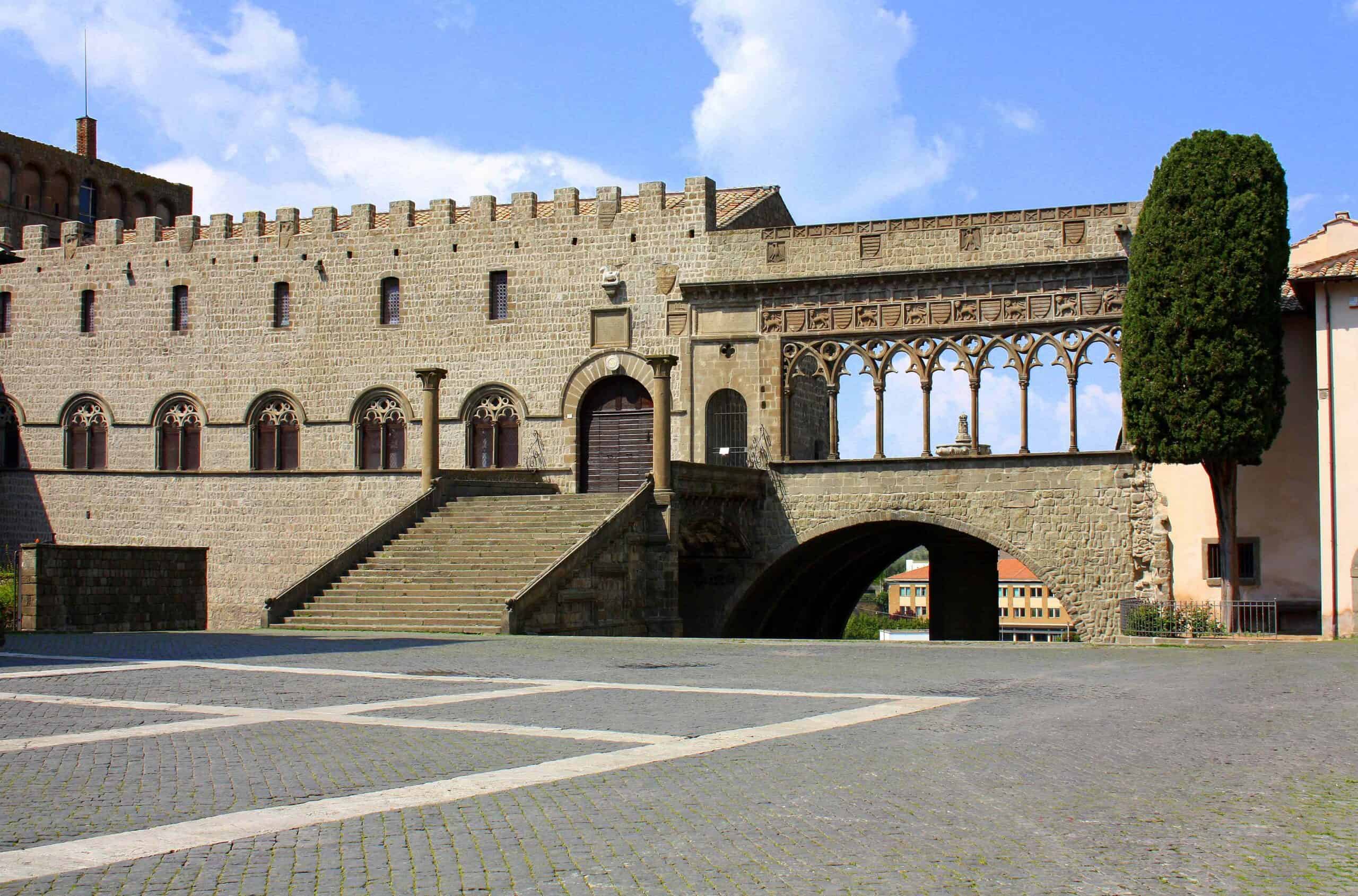
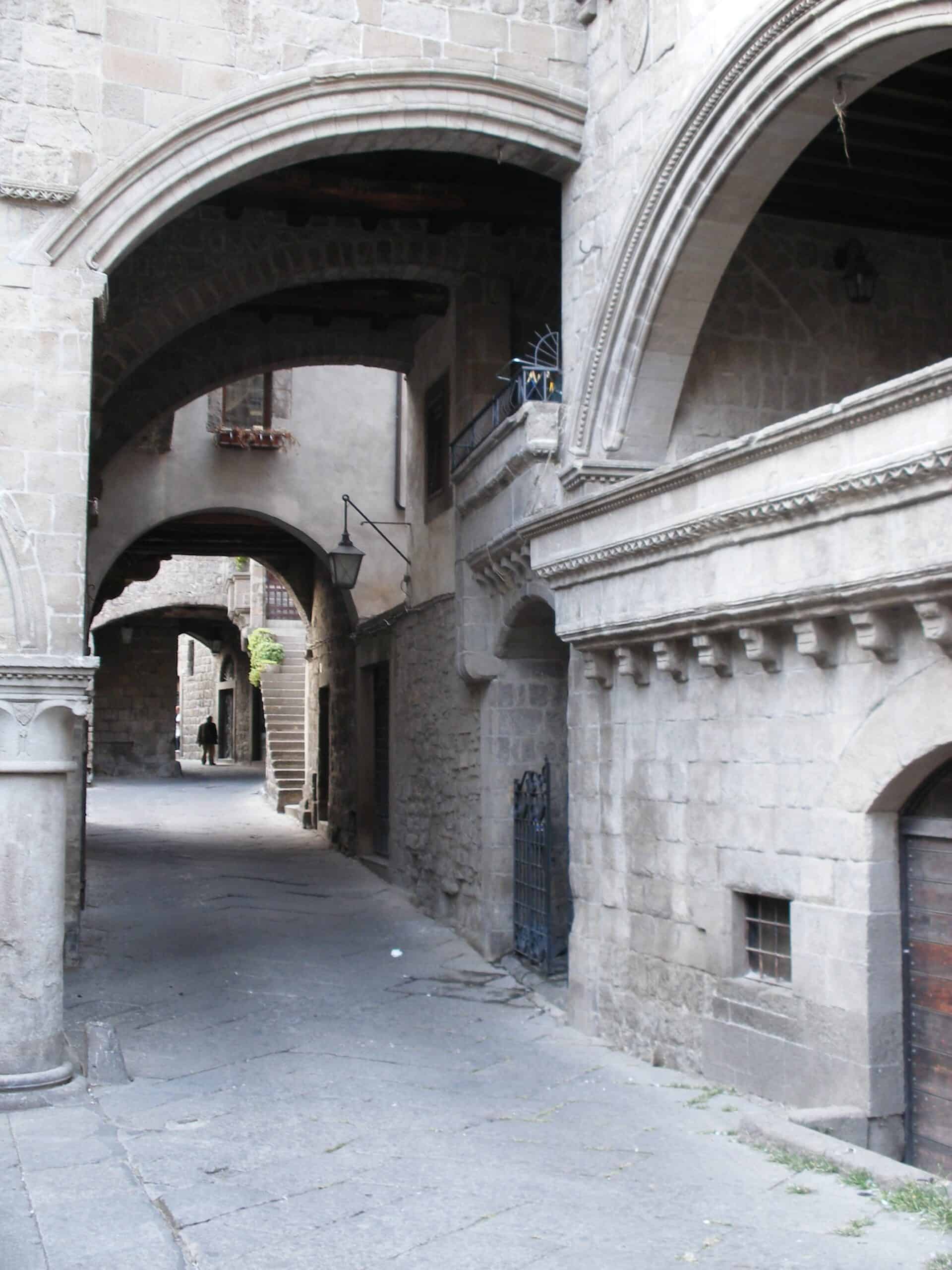
In the morning, guided tour of Viterbo. The historical center of the town, named San Pellegrino, is one of the most characteristic and well preserved in Italy: a real example of a typical medieval town. The visit goes along picturesque alleys to reach the Palazzo Papale (Pope’s palace): built in medieval Gothic style, it is characterised by a loggia with seven arches. For centuries, it was the residence of the Pope.
Lunch in a restaurant of the area.
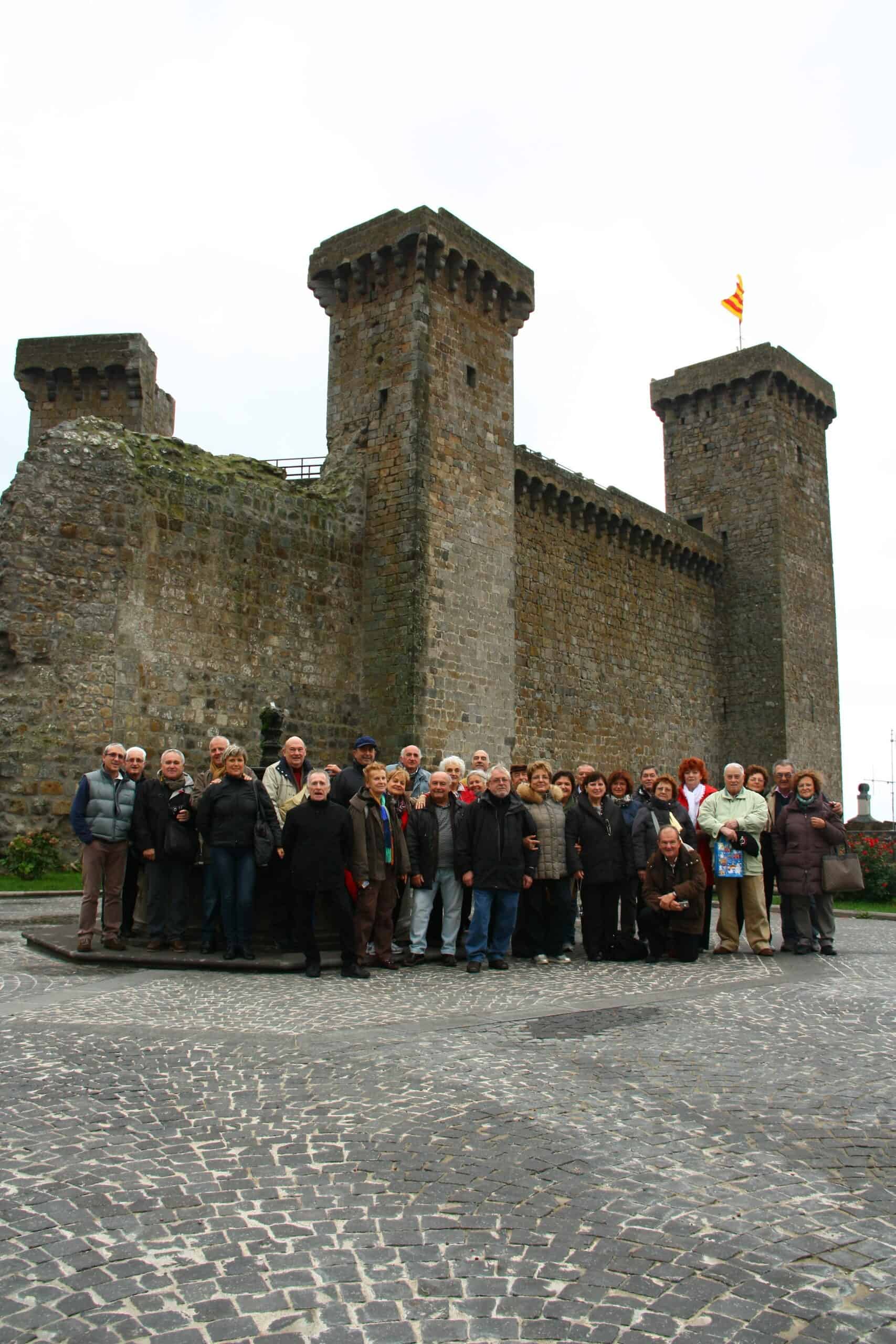
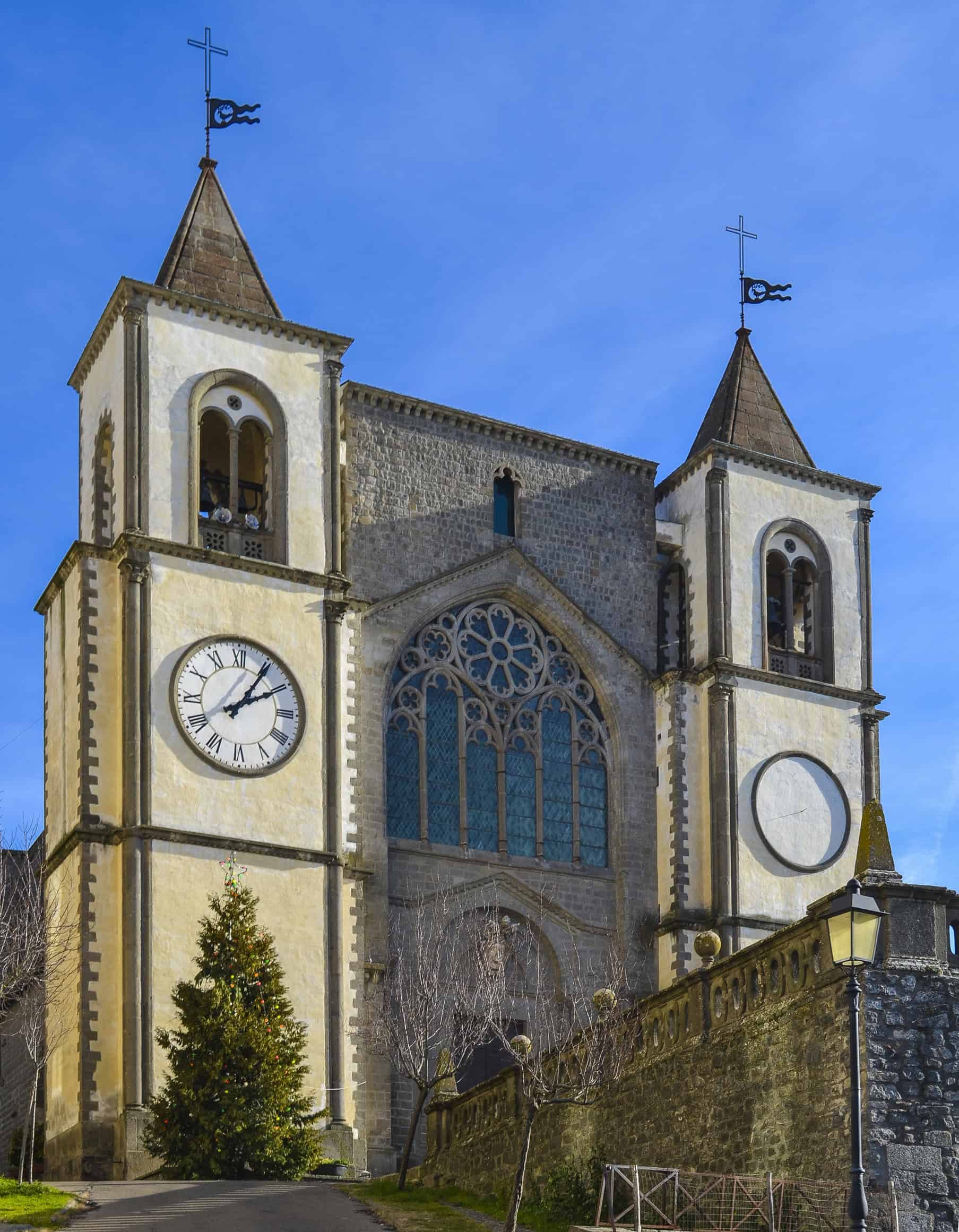
In the afternoon, guided visit of the charming San Martino al Cimino Abbey. Built in the 13th century by a group of Cistercian monks, it soon became the heart of the village of San Martino al Cimino. Later, Pope Innocent X granted the church and the surrounding lands to Donna Olimpia, who devoted herself to rebuilding the village as an ‘ideal city’. She restored the church by adding the towers and reconstructing the monastic buildings, which can now be visited. Among these, the chapter house with its magnificent frescoed vaults and the Scriptorium, which houses exceptional sacred works, stand out.
At the end of the visit, return to the hotel, dinner and overnight stay.
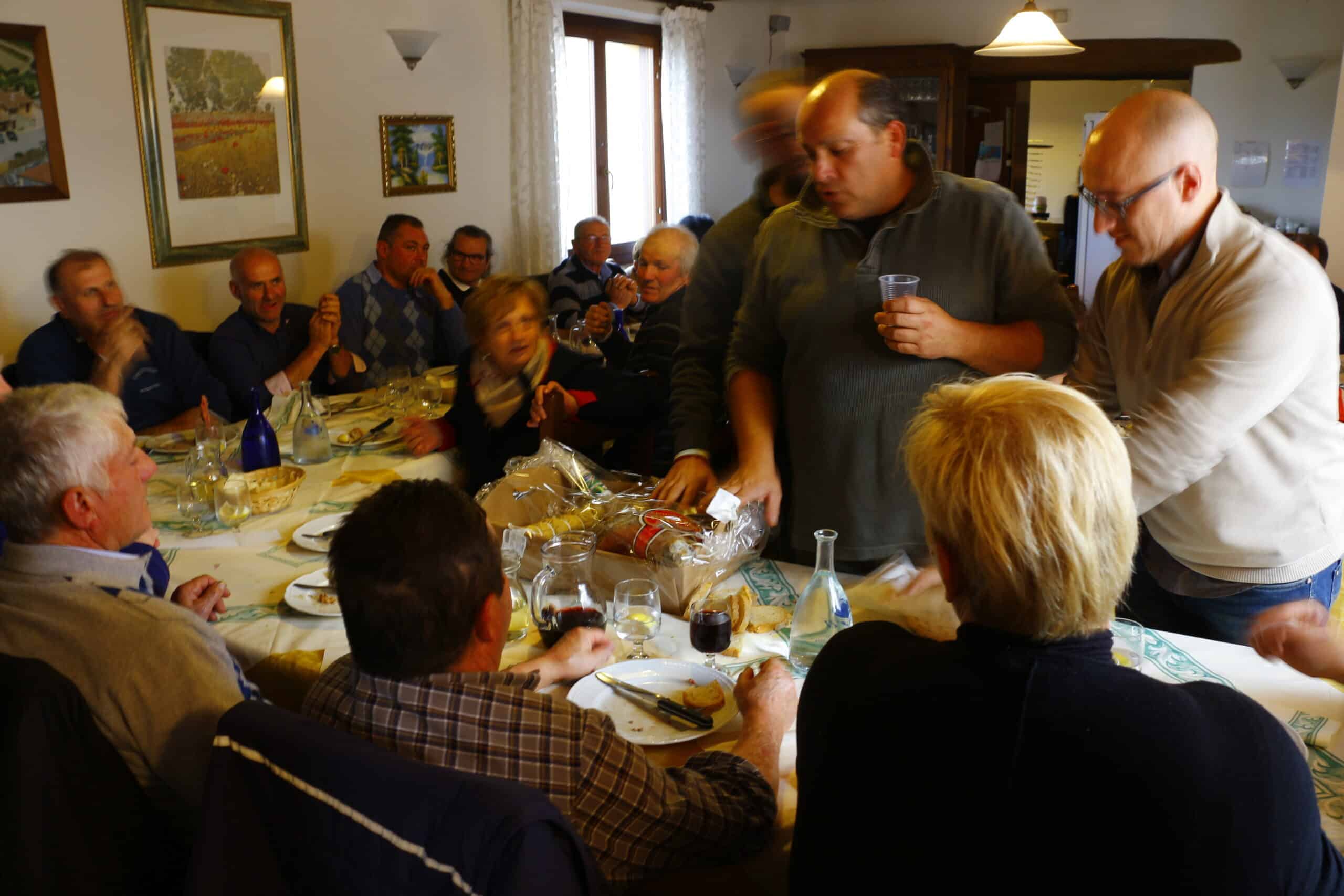
We don’t want our guests to leave without a tasty souvenir of this trip: that is why a gastronomic lottery of typical Italian cold cuts will be offered during the last dinner together, as well as a parting gift: a bottle of high quality local extra virgin olive oil.
DAY 4: Civita di Bagnregio
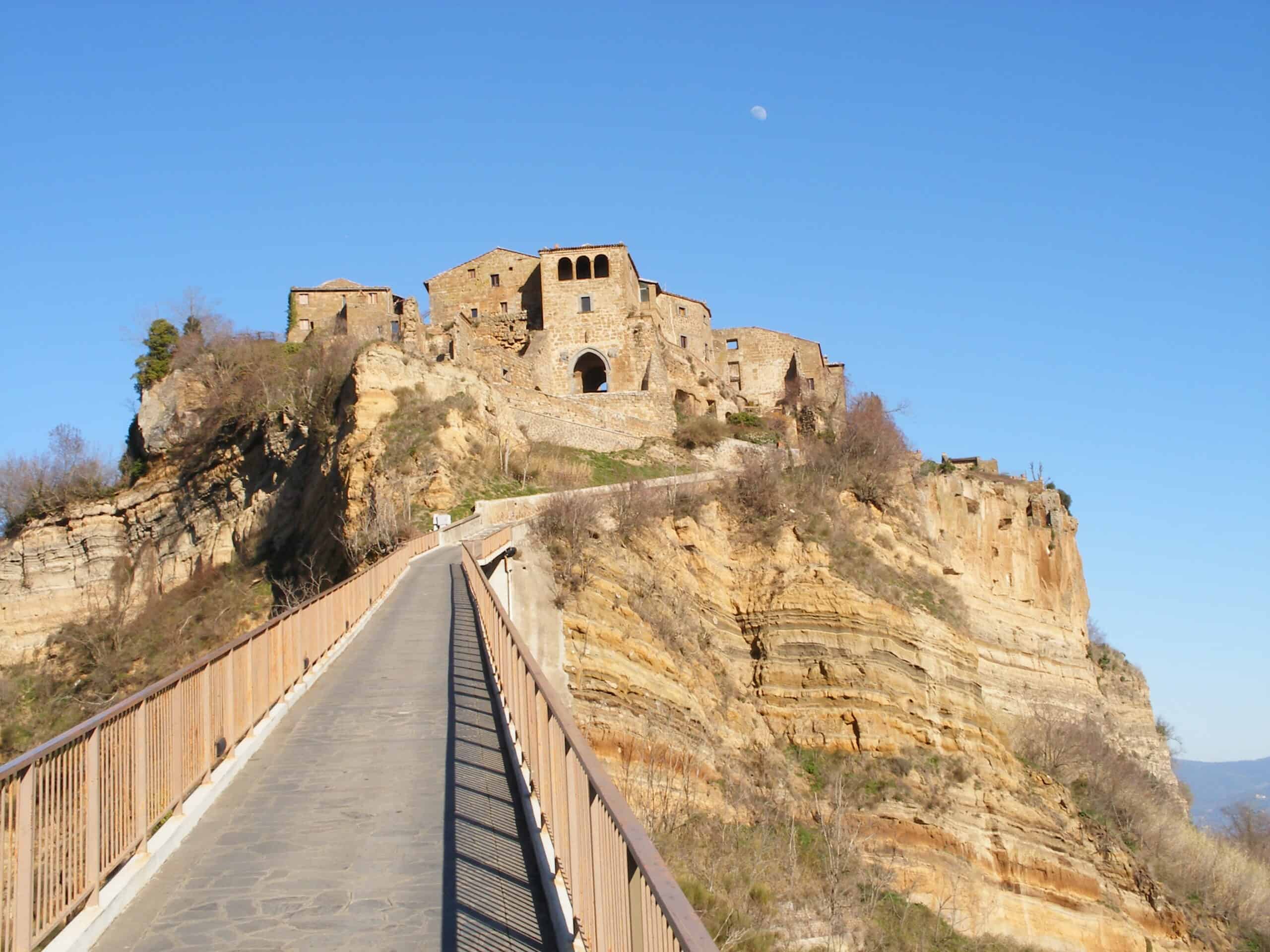
Breakfast and departure for Civita di Bagnoregio for a guided tour of the village. Because the mountain where the village was built is endlessly eroding, it is also known as “The Dying Town”. Civita is now submerged in the fabulous setting of the “Calanchi”, an area which guards cultures, ancient traditions and the amazing landscape of the village.
In the afternoon, lunch based on local products in a restaurant of the area.
Return home.