
Giglio and Giannutri Islands: Hidden Gems of the Tuscan Archipelago
It is not a coincidence that the seven major islands of the Tuscan Archipelago are known as “the Seven Pearls”. Legend has it that Aphrodite, born from the sea foam, was still sleepy because of her birth and tied her necklace too loosely. While swimming to the shore, the knot came undone and, before she could fix it, seven pearls fell into the sea, creating the archipelago. Most people know the major island, Elba, and the northern ones, but Giglio and Giannutri, the southern islands, are the lesser-known treasures where visitors can truly experience the island lifestyle.
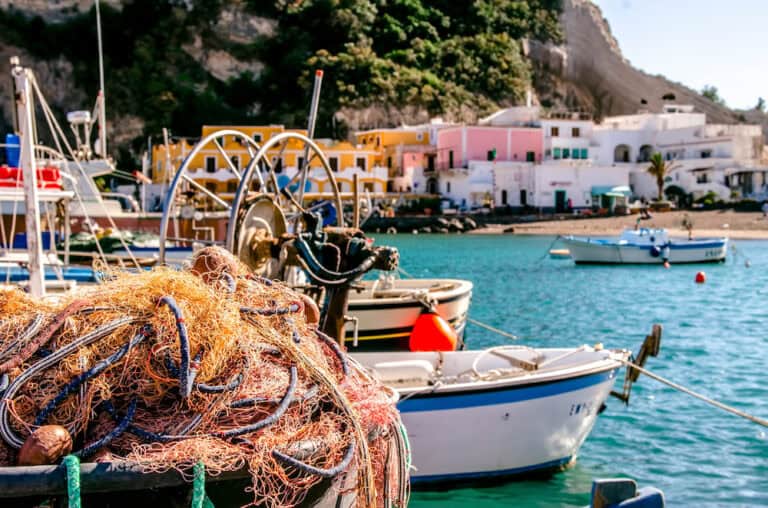
Giglio Island, where the goats lived
Its name, subverting expectation, does not derive from the lily flower (“giglio” in Italian), but from the Greek word “àighes”, meaning goats, animals that used to roam the island. They were a common encounter throughout the archipelago, as the name of the northern island of Capraia may suggest.
Inhabited since the prehistoric era, each domination left traces behind. Vestiges of an Etruscan port and a Roman domus have been discovered here. At the top of its mountain, a medieval castle overlooks the sea and the powerful Aldobrandini family strengthened its defences during their rule.
In the 15th century, a threat came from the sea: the Saracens, seafaring raiders from the Arabian Peninsula. For two centuries, they plagued Italian coastal towns.The situation escalated in 1544, when the famous pirate Khair ad-Din, also known as Red Bear, attacked the island, killing part of the population and kidnapping the remaining seven hundred inhabitants to sell them as slaves in his homeland. After this event, the Medici family built watchtowers to defend the land from further pirate incursions. Some of these towers are still visible today and they have been converted into private properties.
With the end of the incursions, the population living on the island grew and they went back to their original activities such as mining and cultivating the fields. Some kept the Roman vineyards tradition alive, cultivating small plots of the local vines. Nowadays these vineyards are a rare sight as tourism became the main source of income for locals.
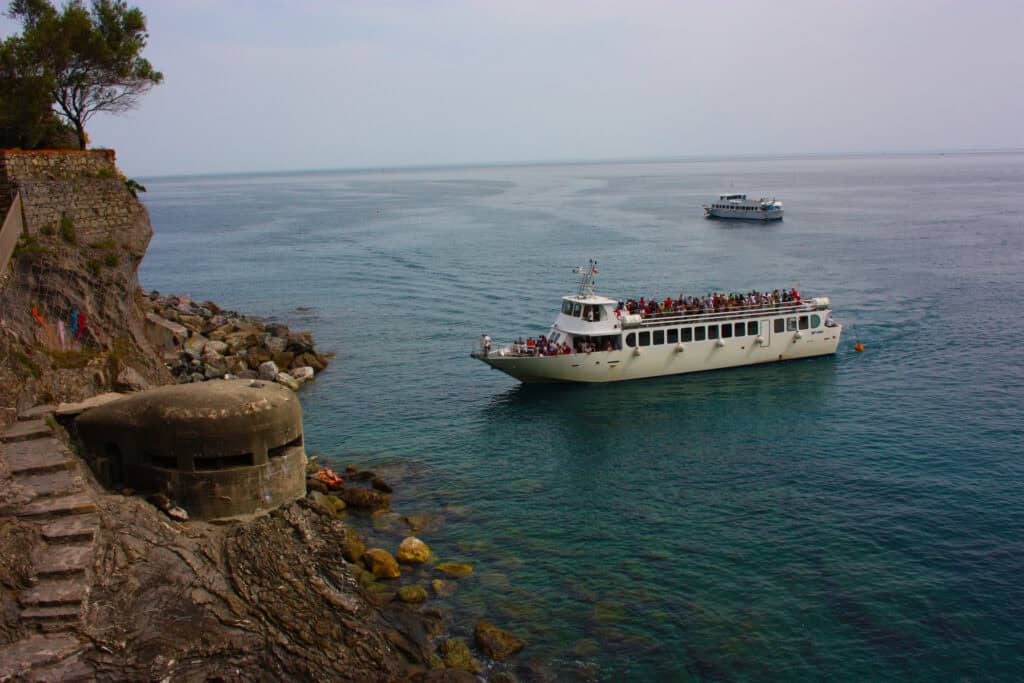
Nevertheless, tourism has not ruined the island’s atmosphere. Reaching the island’s port after a peaceful boat ride on the Tyrrhenian sea really sets the mood for the visit: turquoise waters fade into a crystal clear aquamarine as the island approaches. The seagulls call to one another and nature is in bloom. A walk on the seafront brings the visitors into the islander’s lifestyle, made of colorful walls, doors and windows open toward the sea, glimpses of living rooms and kitchens, restaurants preparing the tables for lunch, and perhaps a couple of fishermen fixing their nets for the next day. Above all, the towering castle watches the sea, rising among woods of maritime pines. The air smells of resin and salt while driving along the road that reaches it. Here, under the wall’s fresh shadow, a viewpoint gives a breathtaking panorama of the island and the Tyrrhenian Sea.
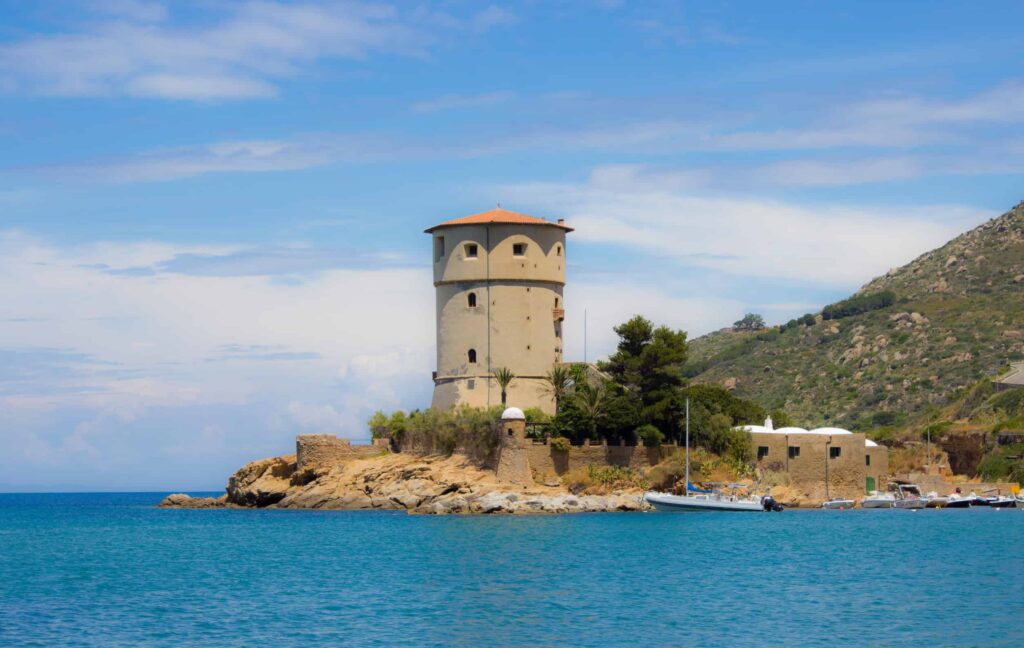
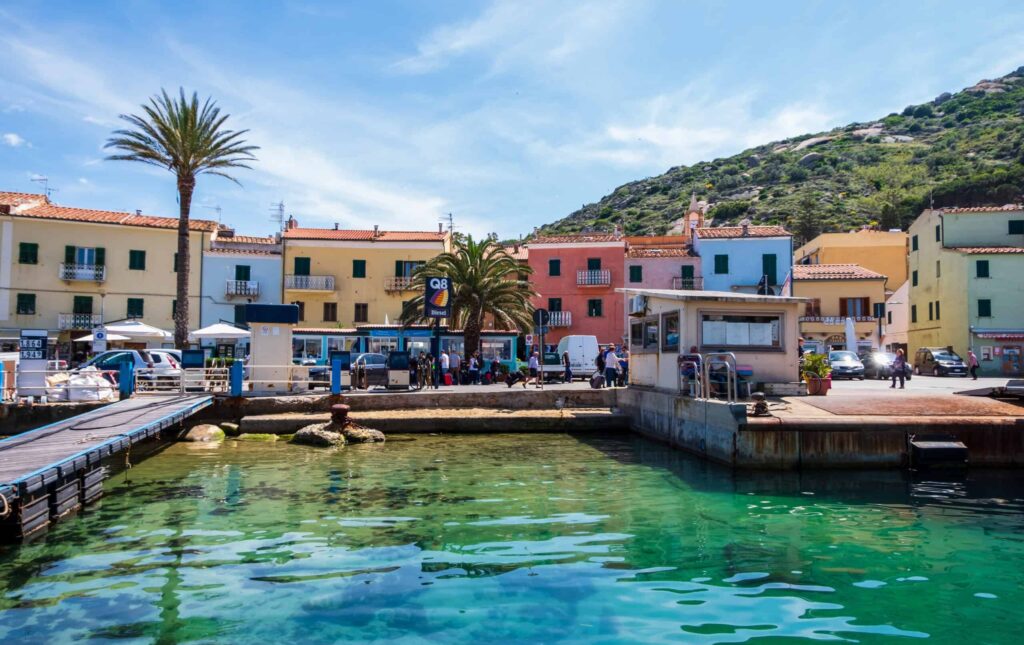
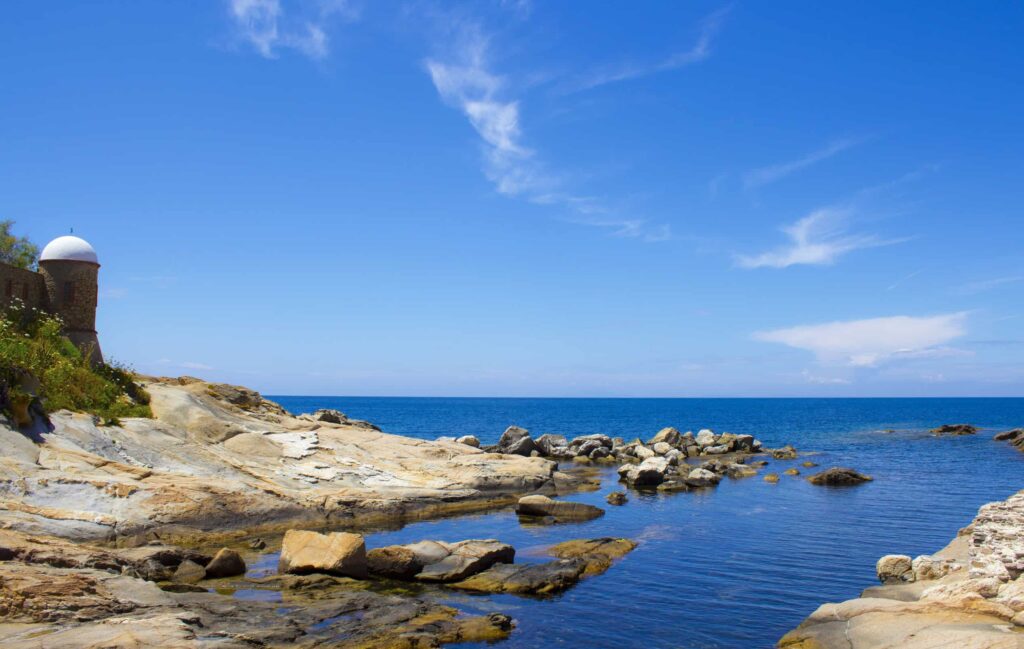
Giannutri, the Pirates’ Lair
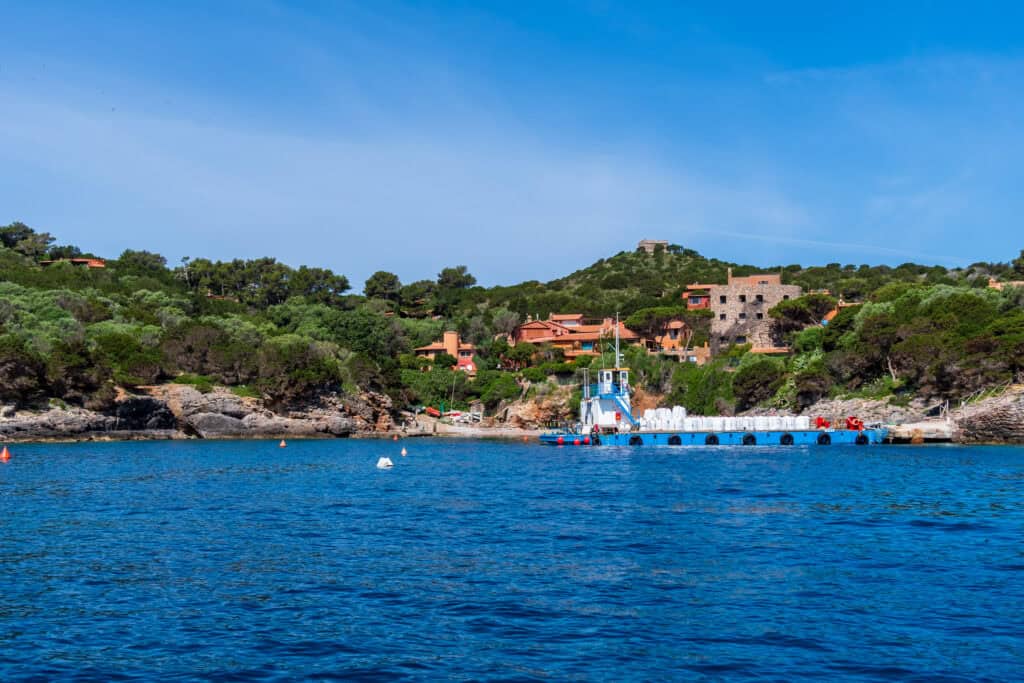
The southeastern island of the archipelago stands apart due to its geography. Characterized by steep cliffs and rugged terrain, it is the wildest and most unspoiled among the inhabited islands. As with its sister islands, many tried to live there, but the harsh nature of the island made it quite difficult. The most successful inhabitants were the Romans and the pirates. The first ones used it as a vacation place for wealthy people, as proven by the remains of a beautiful Roman villa. The second ones used it as a hideout after raiding the nearby coastal towns. The island’s crescent moon shape and its caves, known as “Grottoni”, carved by the wind and the sea, provided ideal shelter for their boats.
The shape of the island also influenced its name: the Etruscan, Greeks and Romans connected its form to the Moon Goddess, calling it Artemisia (from Artemis) and Dianium (from Diana), but the name that stuck was Ianuti/Ianuthri that evolved into the current Giannutri.
Nowadays, life on the island revolves around the tourist season. Due to its rugged terrain there are no hotels on it and camping is strictly prohibited. Just a few apartments are available for tourists who in summer outnumber the island’s small population of just 27 residents.
Although overnight stays are limited, Giannutri can be visited on a day trip. The best way to enjoy it must be a boat tour: cruising through the deep blue waters, reaching the pirates’ lair or the small ports, lying on the shore and diving in the crystal clear waters around the coast or hiking through the wilderness of the hinterland. There are a couple of restaurants on Giannutri, but some boat tours provide lunch on board and later sail to Giglio Island.
The absence of touristic services may seem like a flaw but is actually a great strength, because it allows Giannutri to remain a splendid place of “otium”, as the Romans used to say: an ideal place for rest and contemplation of the sublime, unspoiled landscape that distinguishes it.
Are the islands walkable?
Both islands are walkable. Giannutri has rougher roads and well-beaten paths, so trekking shoes are recommended. Giglio has paved roads, but if you plan to visit its three main villages, renting a car, Vespa, or minibus is advisable.
Is there public transport on the island?
Giannutri has no public transport, but main points of interest are reachable on foot. Giglio does have public transport, but schedules should be checked carefully to avoid missing the return ferry.
For large groups, arranging private transportation is recommended to prevent splitting the group and risking delays. Tour Operators and DMCs, like ToursbyPeople.com, can help you secure a transport.
Are there restaurants on the islands?
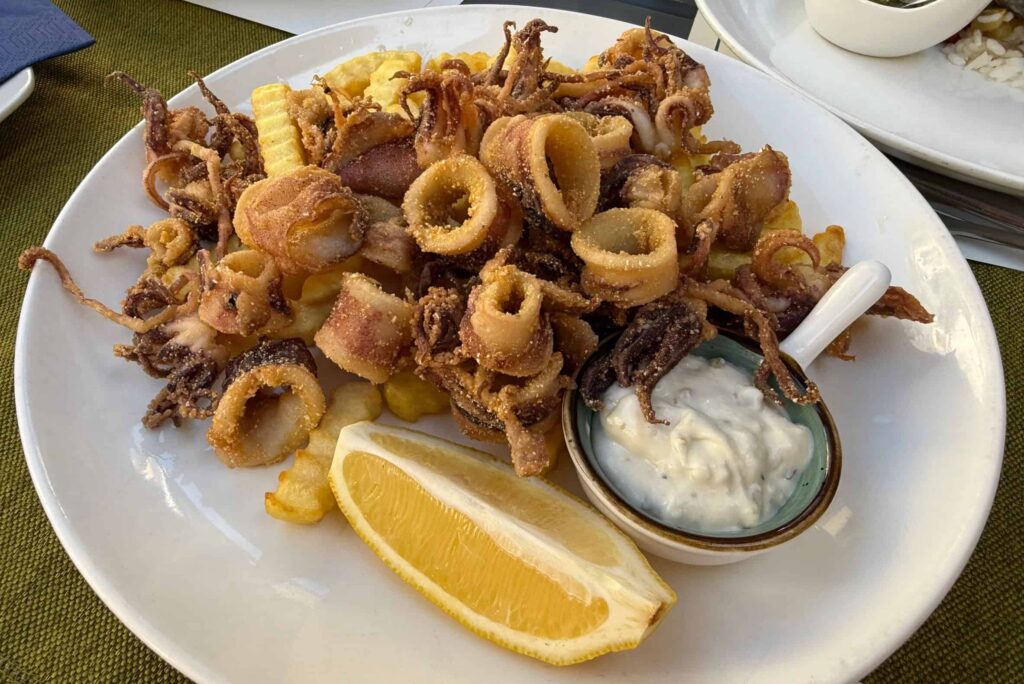
Giannutri has a couple of restaurants, so visitors should reserve a table in advance or bring a packed lunch. Giglio Island, particularly Porto Giglio, offers multiple restaurant options. Alternatively, you can book a boat ride with lunch provided on board through ToursbyPeople.com.