The Butteri of the Maremma: Italy’s Traditional Cowboys and Tuscan Heritage
In the Maremma’s landscape, a man sits on his horse overlooking a herd. Once frequent encounters in the area, he is the heir of a centuries old profession steeped in tradition: the buttero.
The Butteri: not your Italian cowboy
The origins of the butteri stretch back to the Middle Ages, when herders of central Italy lived and worked in the Roman and Pontine marshes. Some historians trace their roots even further, linking them to the mercenary knights (cavalieri) of northern Italy in the 14th and 15th centuries. When these soldiers returned home from battle, they adapted their riding gear and weapons, such as the mazza (mace) for use in herding, giving rise to the image of the buttero as both warrior and herdsman.
Over time, their lifestyle developed into a structured profession with its own customs, attire, and tools, like their working rod (mazzarella). The buttero’s workday began before dawn, rounding up herds on horseback in the foggy marshlands. Meals were simple: bread, wild chicory, and occasionally salted pork, followed by evenings spent around the barn, sharing wine and songs “a braccio”, improvised verses in the local dialect.
Though life was harsh, it fostered a deep connection with the land and animals, shaping a resilient, proud community that continues to inspire Italian folklore. Here lies the difference from American cowboys: where these men used to change horses and lend them, the butteri built a unique bond with their horse, which allows no other person to mount it.
Nowadays, only a handful of large herds are still tended by butteri, mostly within the Maremma Regional Park, one of Italy’s most pristine natural areas. Yet the tradition survives through cultural events, rural tourism, and horseback experiences that allow visitors to ride alongside modern butteri as they check their herds. These experiences offer a rare opportunity to step into living history, embracing the rhythm of nature and the timeless values of respect, courage, and freedom. Spending a day with the butteri is truly a wonderful way to discover the close past of the Maremma
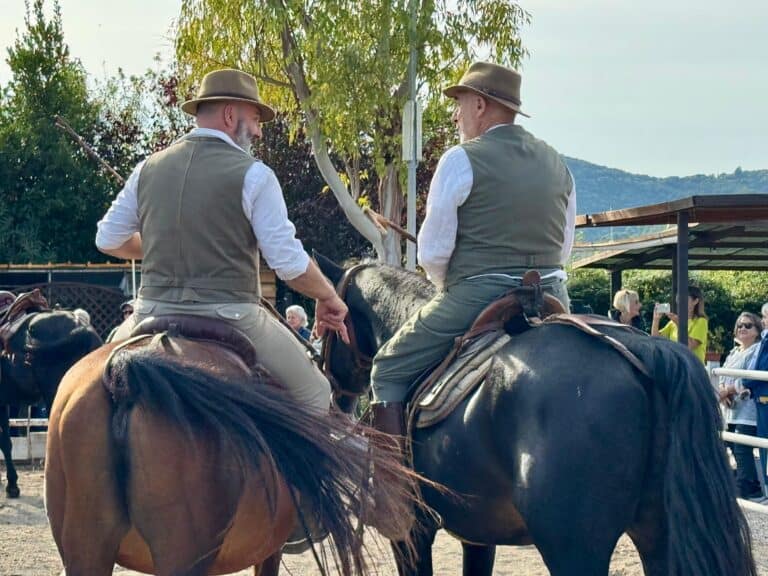
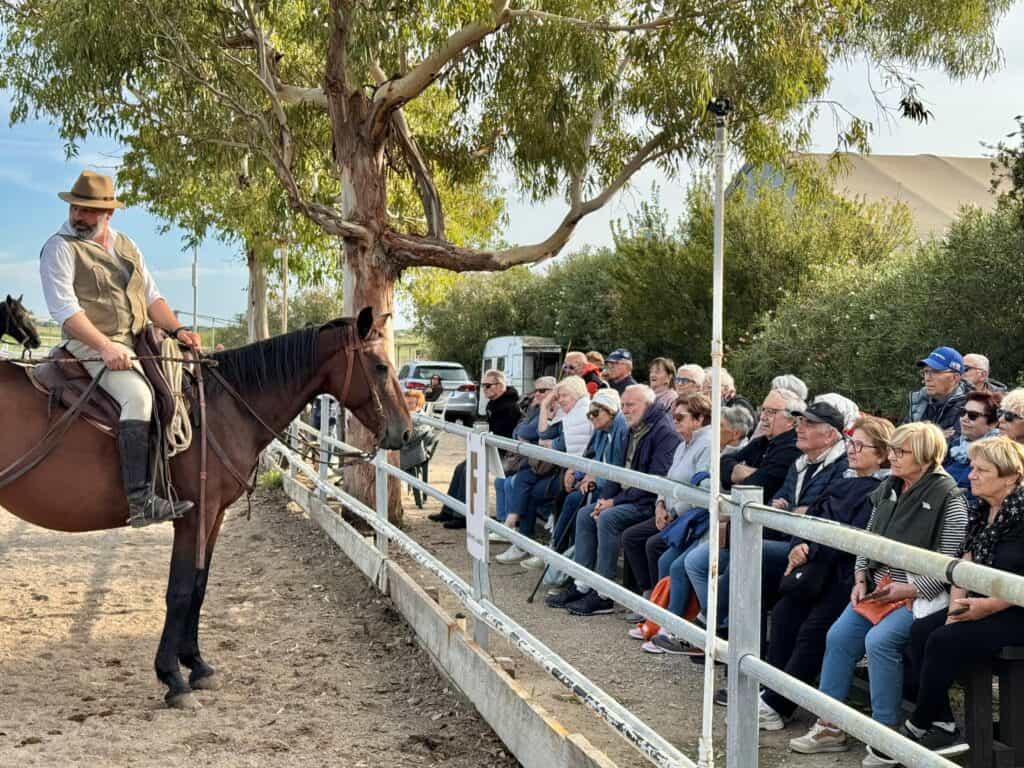
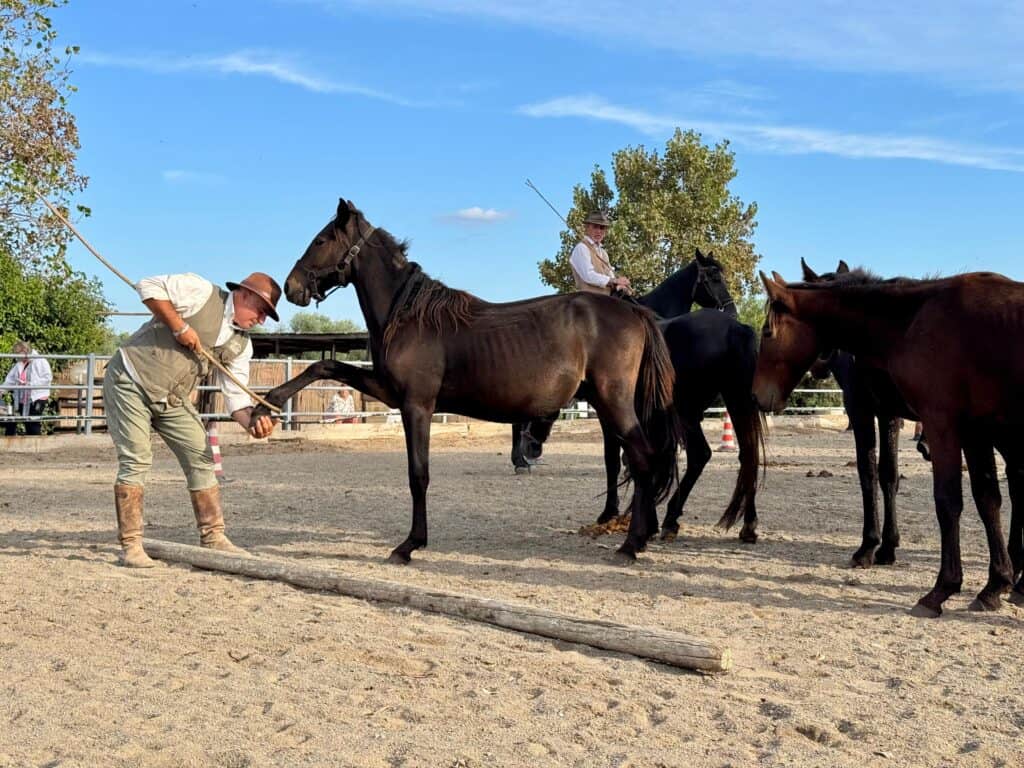
A day immersed in the Butteri’s life
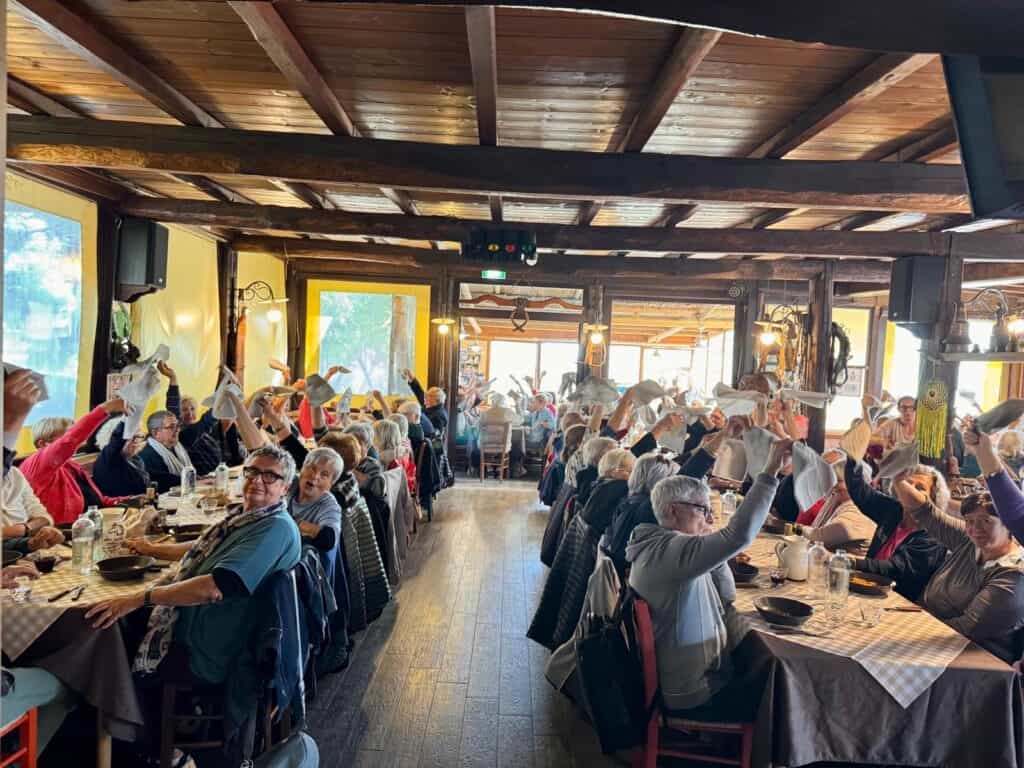
To witness the bond between a Buttero and its horse is an incredible experience that ToursbyPeople.com had the pleasure to share with a group of guests. Looking forward to being immersed in authentic activities in the Maremma area, a field trip has been organized. When we reached our destination, four Butteri on top of their horses welcomed and escorted us to our first destination: a local restaurant nearby the riding stables.
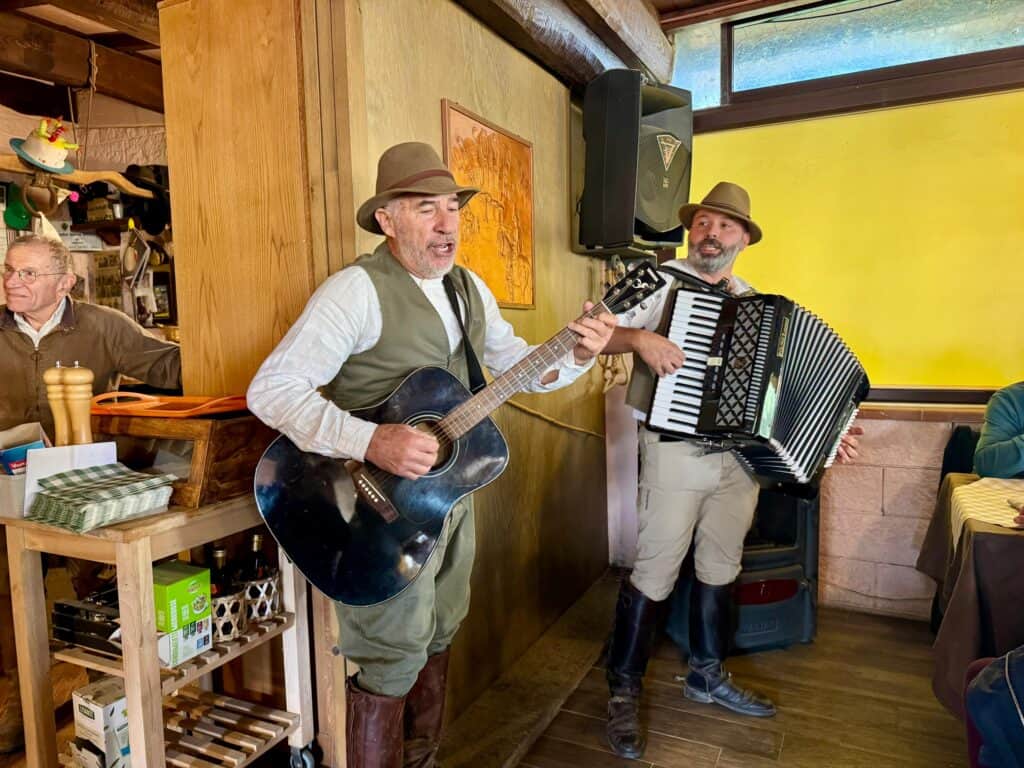
Here we tasted genuine local dishes among wine, toasts and folklore music. While the host’s family brought us local foods and wine, he indulged us with anecdotes about the butteri’s life and his personal experiences with the horses. The dessert was being served when, to our surprise, two of the butteri that had welcomed us left their table and exited the restaurant. Some guests took notice of their leave and started whispering about what could have needed their attention. They came back a few minutes later but they were not alone: in their hands they had a guitar and an accordion. Traditional music and songs filled the room and some guests tried to participate in the singing.
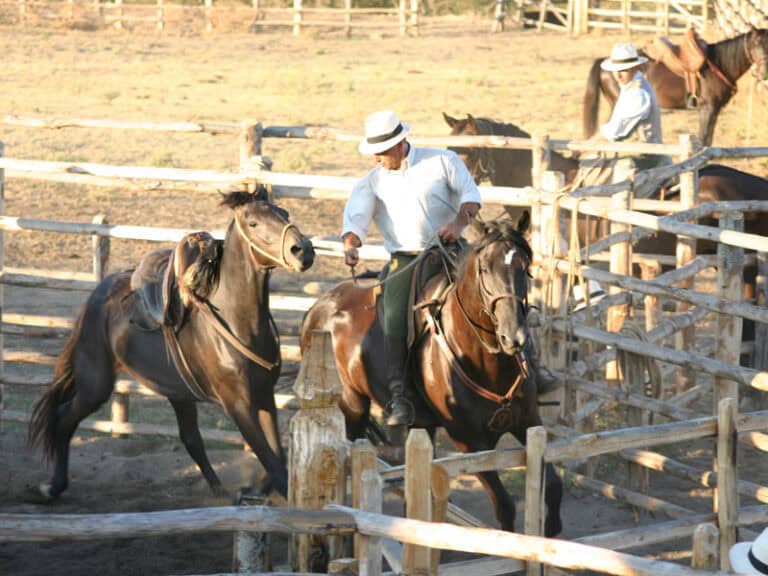
After the delicious and filling meal, our host turned words into action: he accompanied us in a square where we took seats while his butteri made a wonderful display of their beautiful horses. He mounted his personal horse and with the help of his companions he told us all about the butteri‘s lifestyle and in which ways they are different from cowboys. He showed us the saddle and how to secure it, then he mounted the horse and signaled the others to open the gate. Five beautiful colts came from the pasture that the Butteri guided around the corral. We gasped at the view: their shining coats were of different hues of brown and a couple had white markings on their heads. They trotted neatly close to the fence following the orders given by their caretakers as well as the next moves. Then, when they started to get rowdy, they were brought back to the pasture. But the show did not stop there.
The butteri then started to trot around the pen and then they formed a line facing us. After a brief wave, they started to show off their ability guiding their horses in symmetrical paths, crossing each other’s tracks increasing the speed at every lap. It was an exciting view and it really showed the ability and trust that man and horse had in each other. In the end they formed a line again and got closer to the fence. Here they saluted us while we applauded profusely.
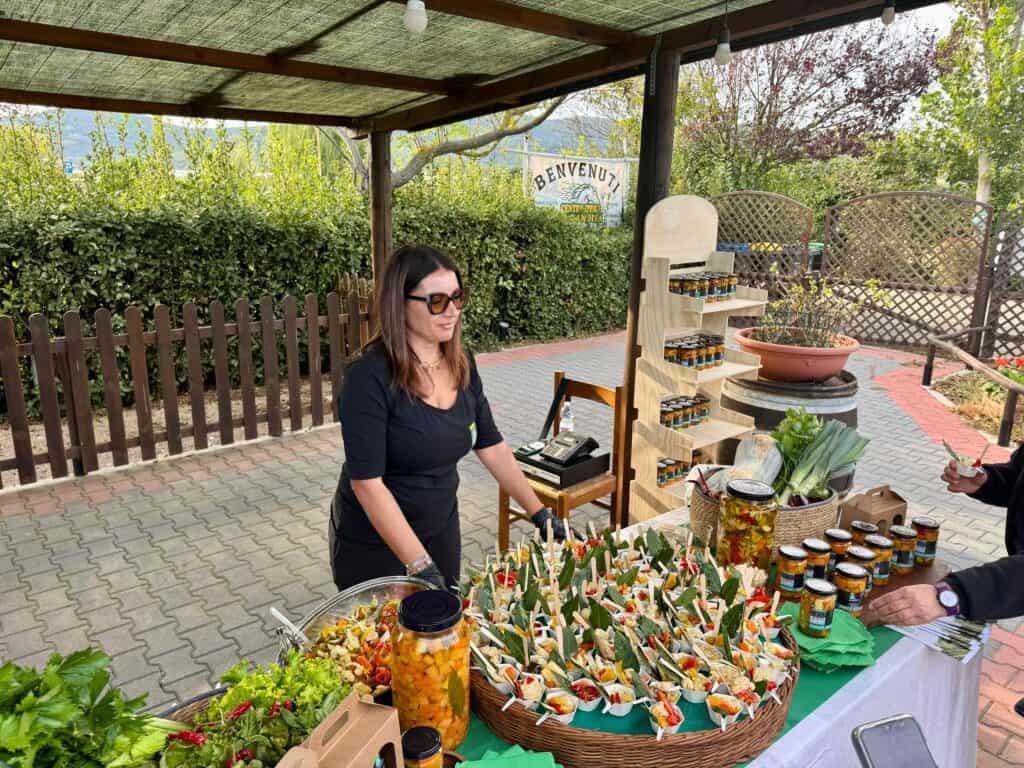
While captivated by the show, behind our backs a beautiful aperitif was being prepared. When we turned we were surprised by three tables decorated with displays of local products and plates of delicious samples and tastings from a local family run farm. While savouring the food and taking sips of wine, we ended up talking with the farm’s owner who told us about the reason that made him start the business. Simple as it is, he could not find the flavour of his grandmother’s pickled vegetables in the store bought ones. So he left his previous job and started the farm, determined to set things right and to find the flavours of his childhood again. Maybe it was the delicious wine that we were drinking, but we found ourselves getting emotional over pickles and his passion.
The rest of the afternoon was wonderful: we chatted with the hosts, the guests treated themselves with tastings and drinks, some approached the butteri to ask more about their lifestyle and jobs. The brave ones even got close to the horses, petting their heads and taking photos. The animals were calm, thanks to their human companions for sure, but still they were tall and impressive creatures. It truly was an exciting afternoon dedicated to the Maremma, the people and the animals that shaped this territory and still preserve its authenticity.
Where can I see the Butteri today?
There are a few groups of Butteri still active in the Maremma area between Lazio and Tuscany. But most of them do performative work to preserve traditions through shows, festivals, and tourism. Some still do the traditional work of herding cattle, but these are not open to visits.