The Cistercian Abbey in San Martino in Cimino, 800 years of History in Lazio
Built in the 13th century by cistercian monks, the Abbey still overlooks the delightful village of San Martino al Cimino. This is possible thanks to a famous patroness of the Arts, Donna Olimpia. In love with the town, she restored the church and the buildings, making sure that this wonder would reach us.
The Abbey, the village of san Martino al cimino and their history
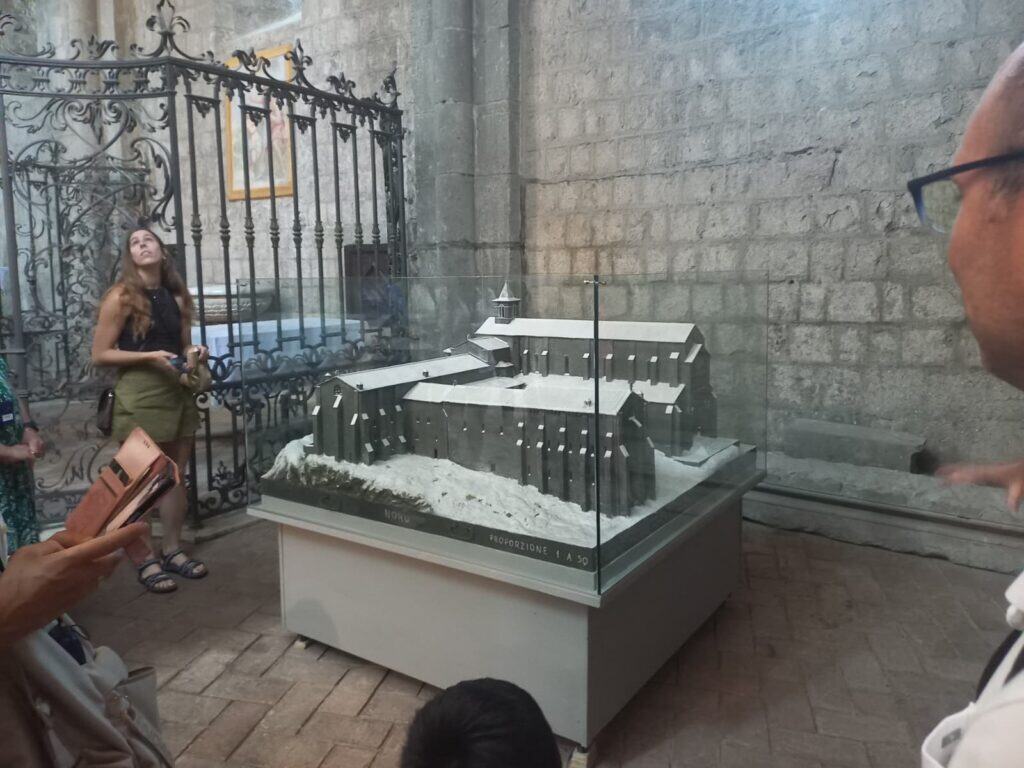
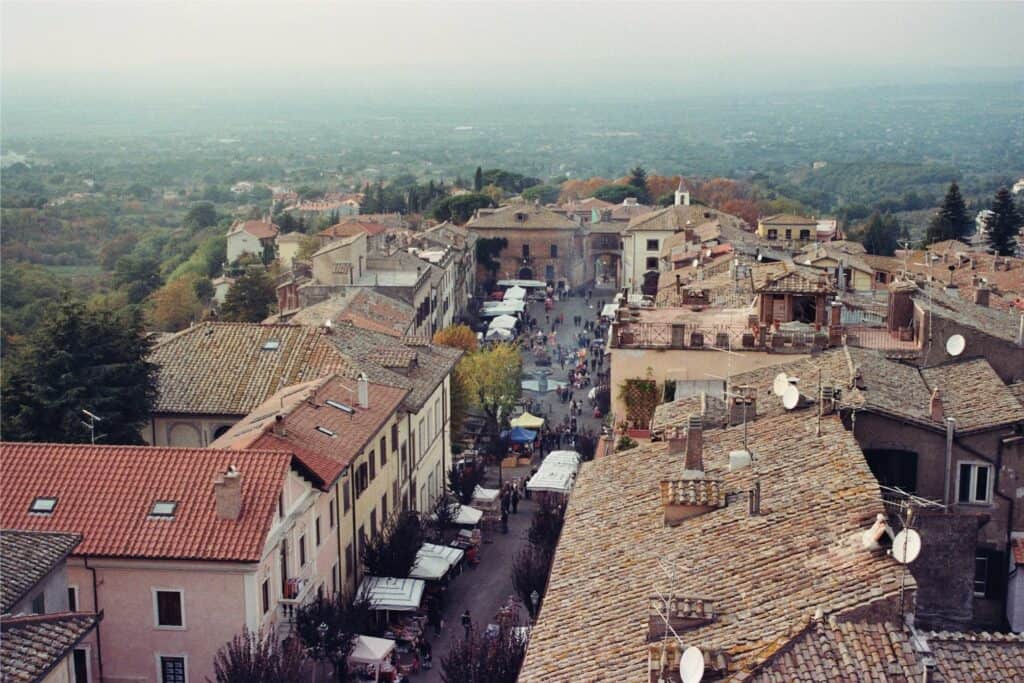
One of the lesser known historical sites near Viterbo, the monastery is a large compound that used to house a great number of monks. From an aerial view it is clear how massive it is, since almost one quarter of the oldest part of the town consists of its buildings. In ancient times, it must have been even bigger based on working structures, fields and the cemetery detailed in surviving documents.
Most of them did not survive the passing of time, but some lived thanks to the effort of Donna Olimpia. The buildings that are still accessible are the church, the cloister, the chapter hall and the Scriptorium.
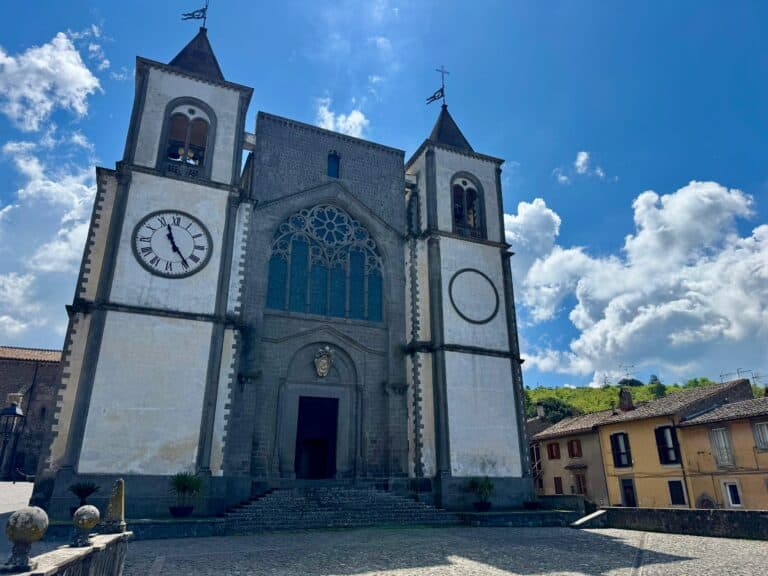
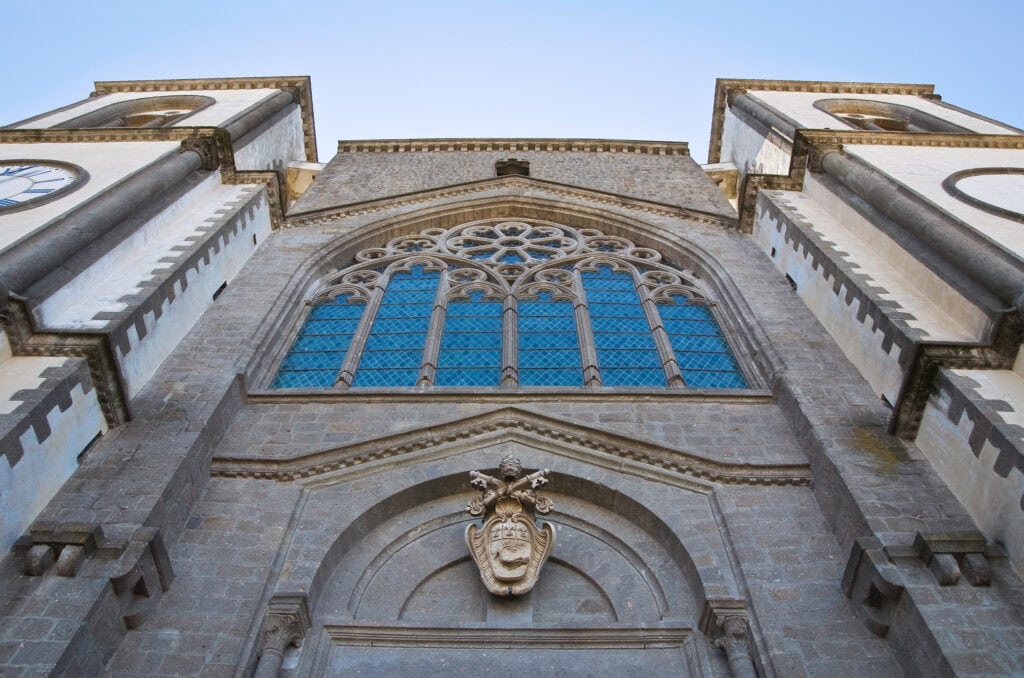
The church has the classic stern cistercan style with later additions following Donna Olimpia’s project, such as the two towers attached to the main building. As per cistercan style, there are no frescoes on the walls, so it is possible to see every stone which was used. The most interesting part is told by the colour of the stones because a different colour means a different type and use of the stones. This type of structure is so peculiar that architects from all over the world come to study it.
On the left side of the church there is the cloister. Unfortunately, it is just a reminiscence of what it used to be, but the little arches that survived show how elegant it must have been. In addition, most of the accessible rooms have their main door onto the cloister.
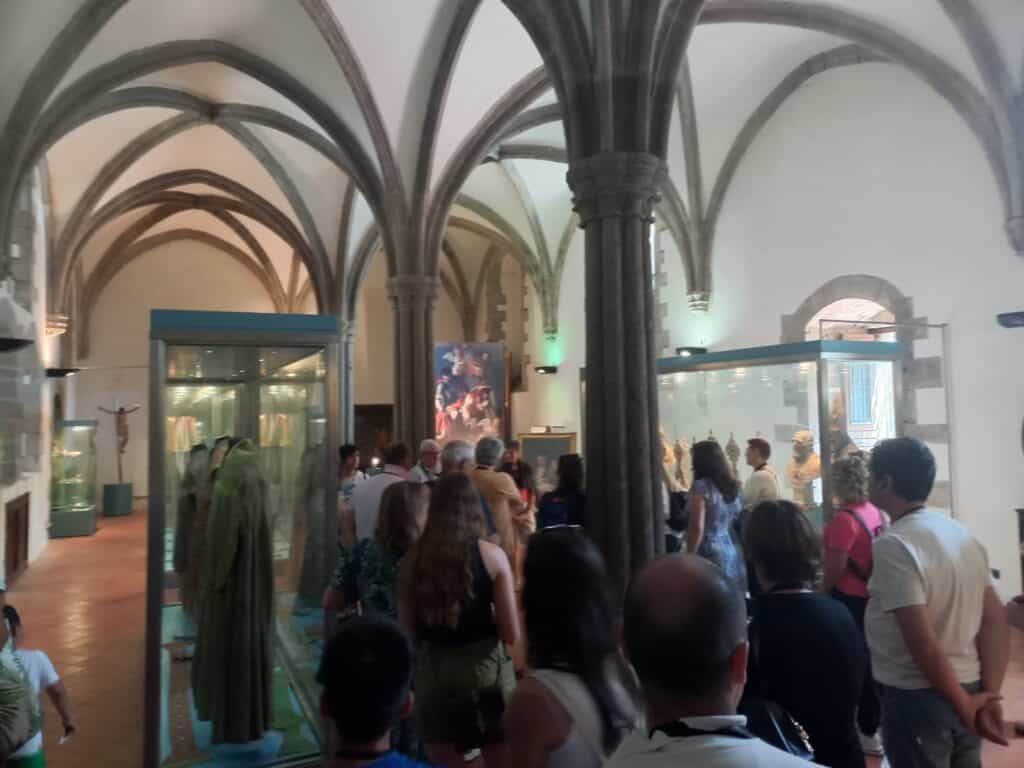
Moving over to the Scriptorium, it is still dedicated to knowledge: it used to host miniaturists, scribes and drying pages, and now hosts the collection of holy objects of the church.
Lastly, the chapter room is the hidden treasure of the complex: restored under the guidance of the Abbey’s patroness, the cross vaults are covered in elegant frescoes depicting the towns on which the patroness ruled over. Truly, the visit of the abbey brings you back in time, when San Martino al Cimino was one of the places to be during the Renaissance.
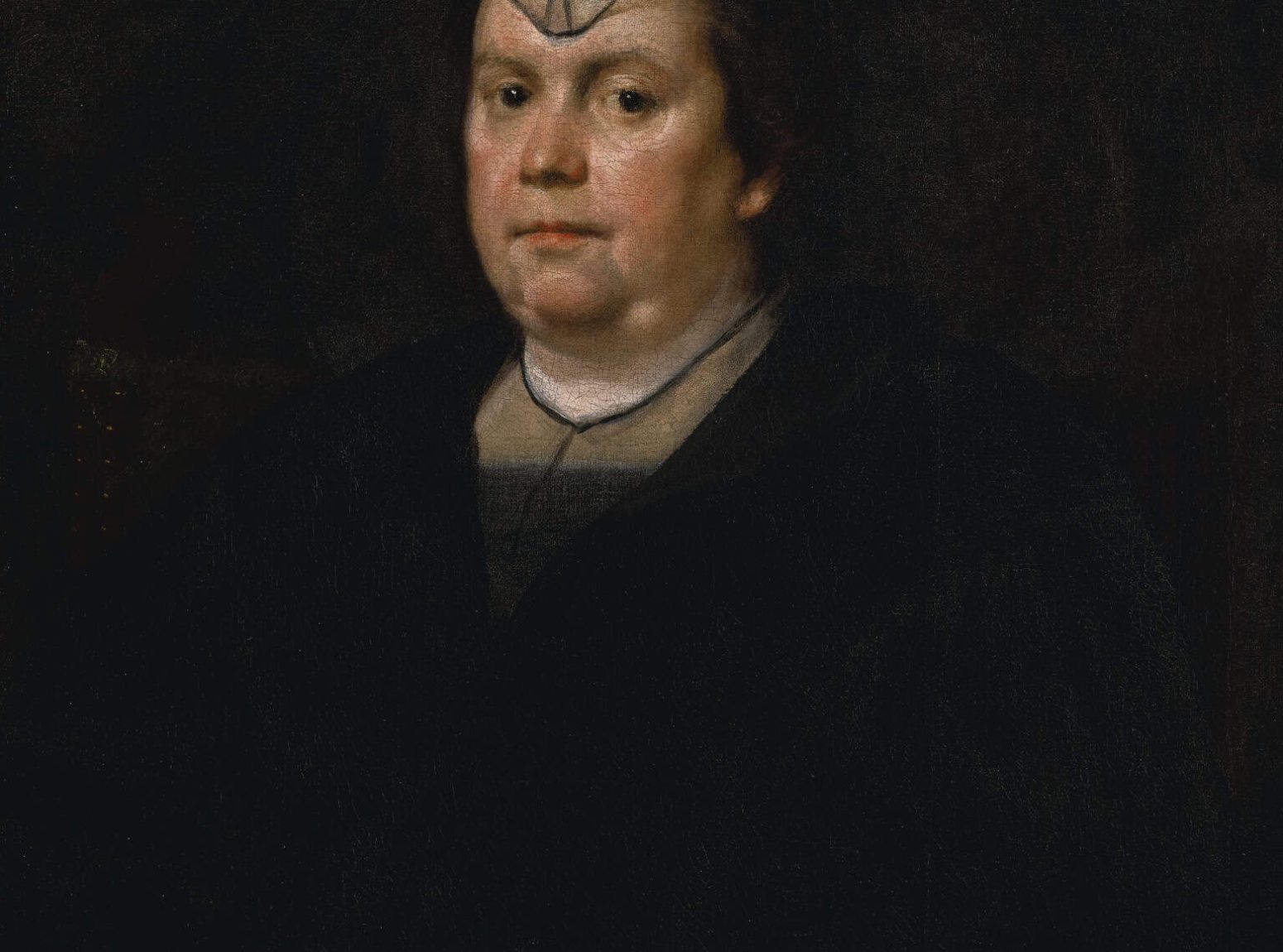
Donna Olympia, Princess of San Martino
The true fortune of San Martino has been Donna Olympia Pamphilj, a noble woman from Viterbo, who restored the abbey and rebuilt the whole village assisted by famous architects of the time, such as Borromini.
Born in the Maidalchini household, her father decided that she and her two sisters would become nuns in order for his son to inherit all the family’s properties. To say that Olympia was not fond of the arrangement would be an understatement: in fact she refused to take the vows and accused her confessor of trying to seduce her. The priest was suspended and she wed one of the richest men in the city, Paolo Nini. Unfortunately, her husband died three years later.
Her second marriage to Pamphilo Pamphilj granted her a higher status and a connection to the future Pope Innocenzo X. When introduced to the papal court she quickly became known as “la Papessa” (Popess): some say it is because she is the one who made the election of her brother-in-law as Pope possible, others say it is because the quickest way to obtain a private meeting with His Holiness was through her, usually with the help of gifts. Those anecdotes come from rumors and the “Pasquinate”, messages left on the “talking” statues of Rome. Clearly, the nobility and the folk alike were not fond of her ambition and greed.
Her influence over the Holy Father was well-known, because he frequently gifted her riches and properties, such as San Martino. With that estate, she also received the Princess’s title: it did not hold any political power more than she already had, but it gave the name “Principato di Donna Olimpia” to the lands of the Abbey.
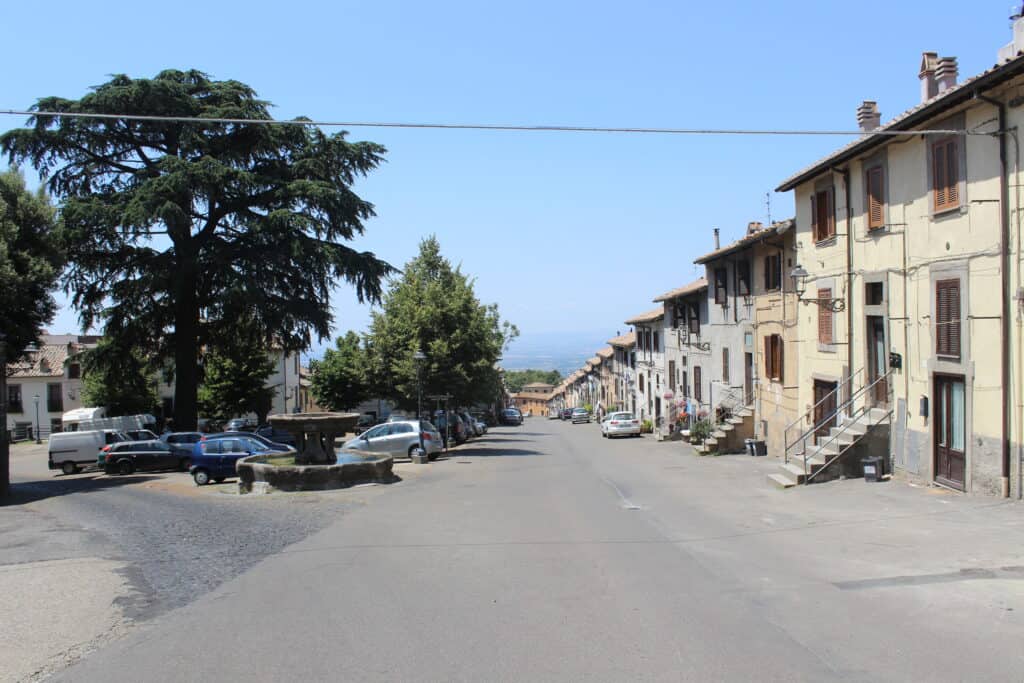
She truly took to heart the restoration of those areas. The village was built in the image of an ideal city with a horseshoe plan, two city doors and a beautiful row of workers houses that resembles a staircase.
Sadly, she lost all of her influence when Pope Innocenzo X died. Excluded from the papal court and Rome, she retreated to her beloved Principato with a great amount of stolen money. Here she died of the plague only two years later and she now rests under a gravestone in the apse of the Abbey she restored.
A visit to San Martino al Cimino really gives a sense of the care she had for the town. Every corner speaks of her project to build an ideal city, from the imposing bell towers to the workers’ houses still inhabited today. Moreover the town’s folk have not forgotten her, talking proudly of their patroness and still calling her lands “Principato di San Martino al Cimino”.