Why choose this tour?
Ideal for gourmet travellers and lovers of gastronomic traditions, during this journey through small Umbrian villages, oil mills, wine cellars and typical restaurants will be visited, mandatory stops for a tour that will become an unforgettable memory.
DAY 1: Arrival
Arrival and transfer to the hotel. Depending on the arrival time, it is also possible to arrange a quick visit in the neighboring villages before the overnight accommodation.
DAY 2: Assisi, Foligno and Olive Oil Mill
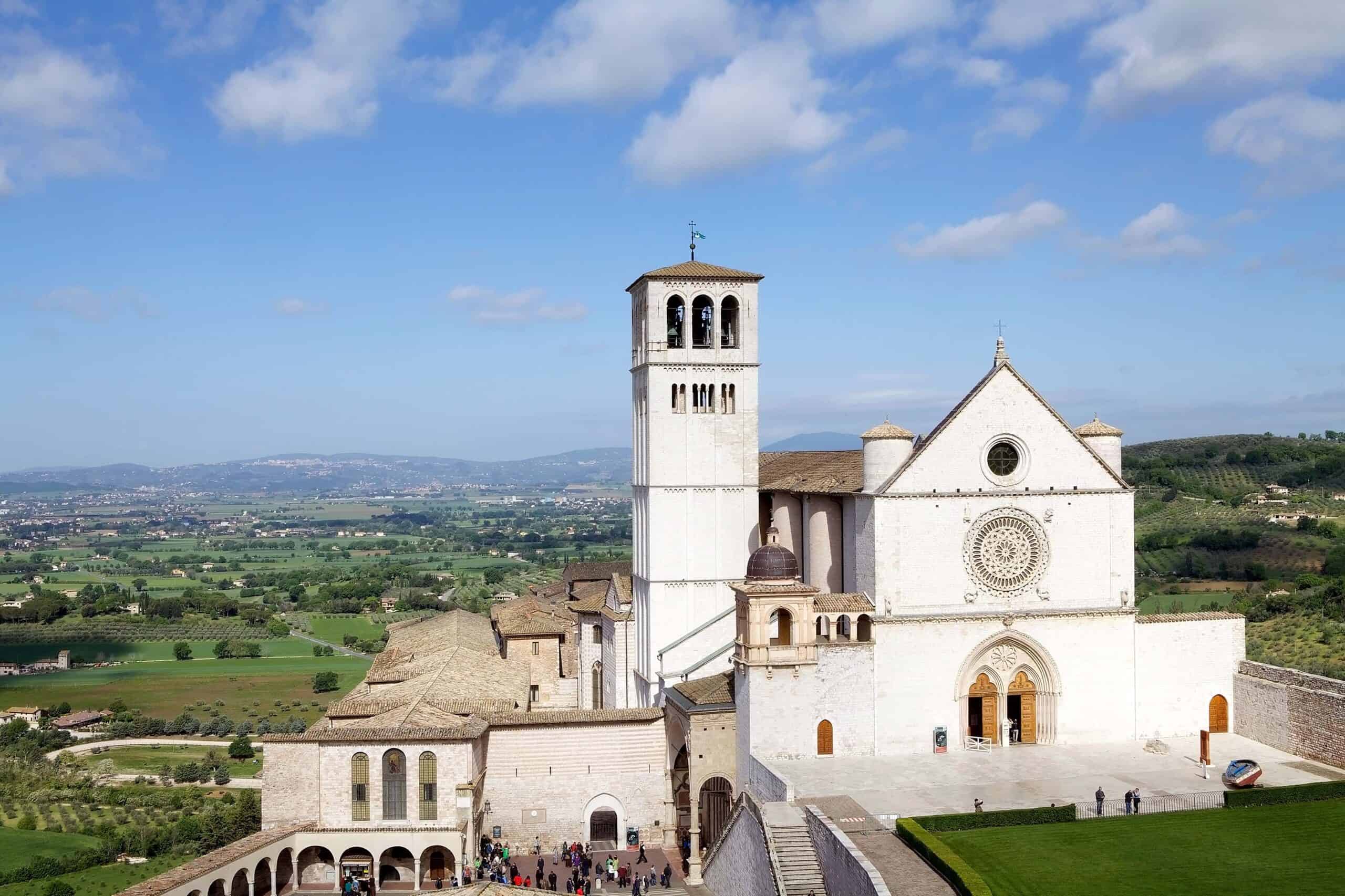
Breakfast and departure for a guided tour of Assisi during the morning. Assisi has been a UNESCO site since 2000 and it is characterized by a postcard-like charm, culinary traditions and a lovely surrounding landscape. However, Assisi is also known as “The City of Saints”: in fact, every corner of the City is profoundly tied to the life of Saint Francis, who was born here in 1182. The humble Saint founded the mendicant order of the Franciscans, whose ideology led to the creation of monuments that are of outstanding architectural and artistic interest, such as the Basilica that shares the same name of the Saint and the Basilica of Santa Maria degli Angeli, where the renowned canticle of the Creatures was composed.
Free time for lunch.
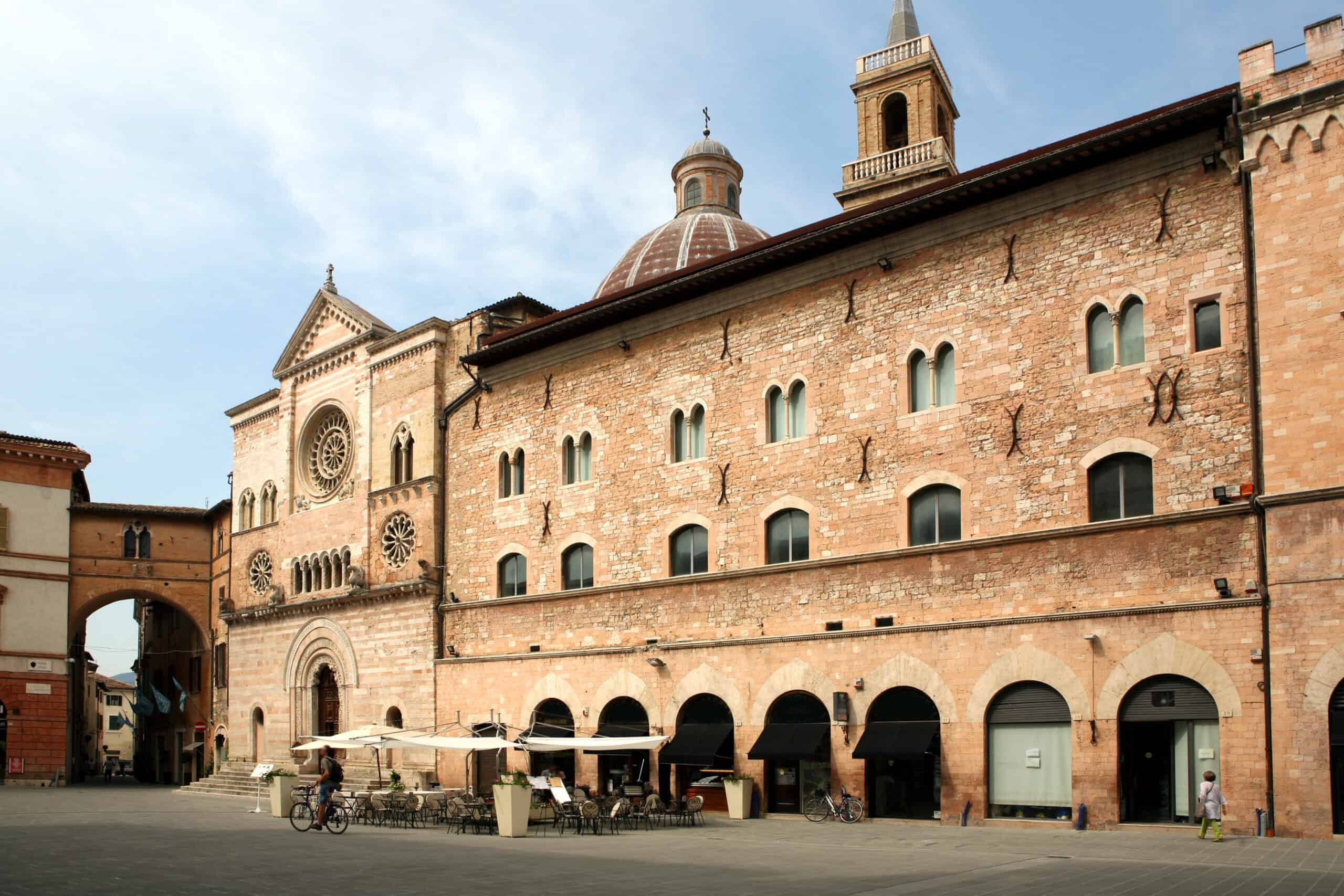
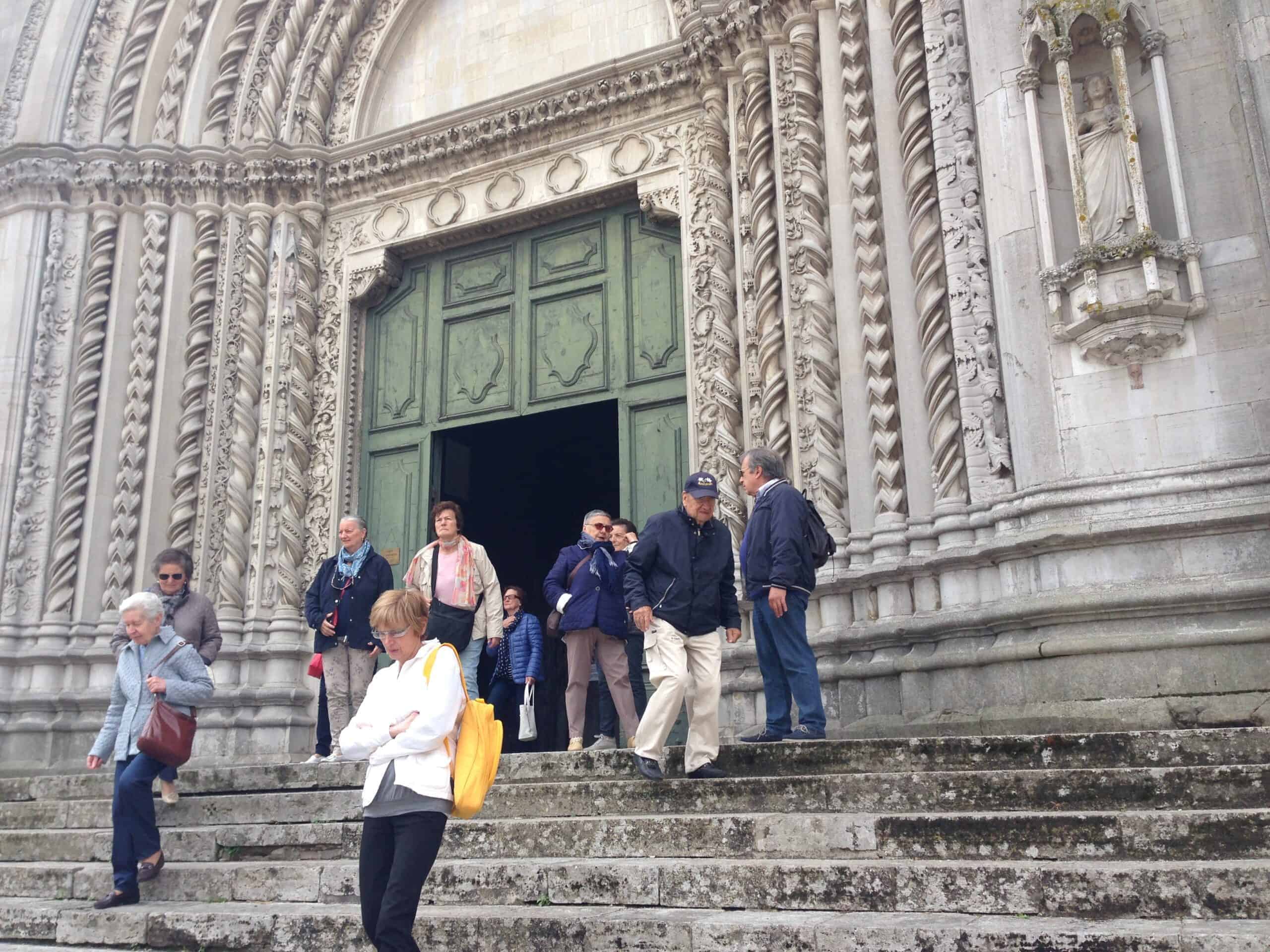
Guided tour of Foligno in the afternoon. In ancient times Foligno was considered not only the center of Italy, but even of the whole Europe, that is why the locals refer to it as “lu centru de lu munno” (“the center of the World” in the Umbrian dialect). The visit of Foligno leads to discover some real gems such as the Romanesque decorations of the cathedral, frescoes by Perugino, Renaissance buildings, the ancient church of Santa Maria Infraportas and Palazzo Trinci.
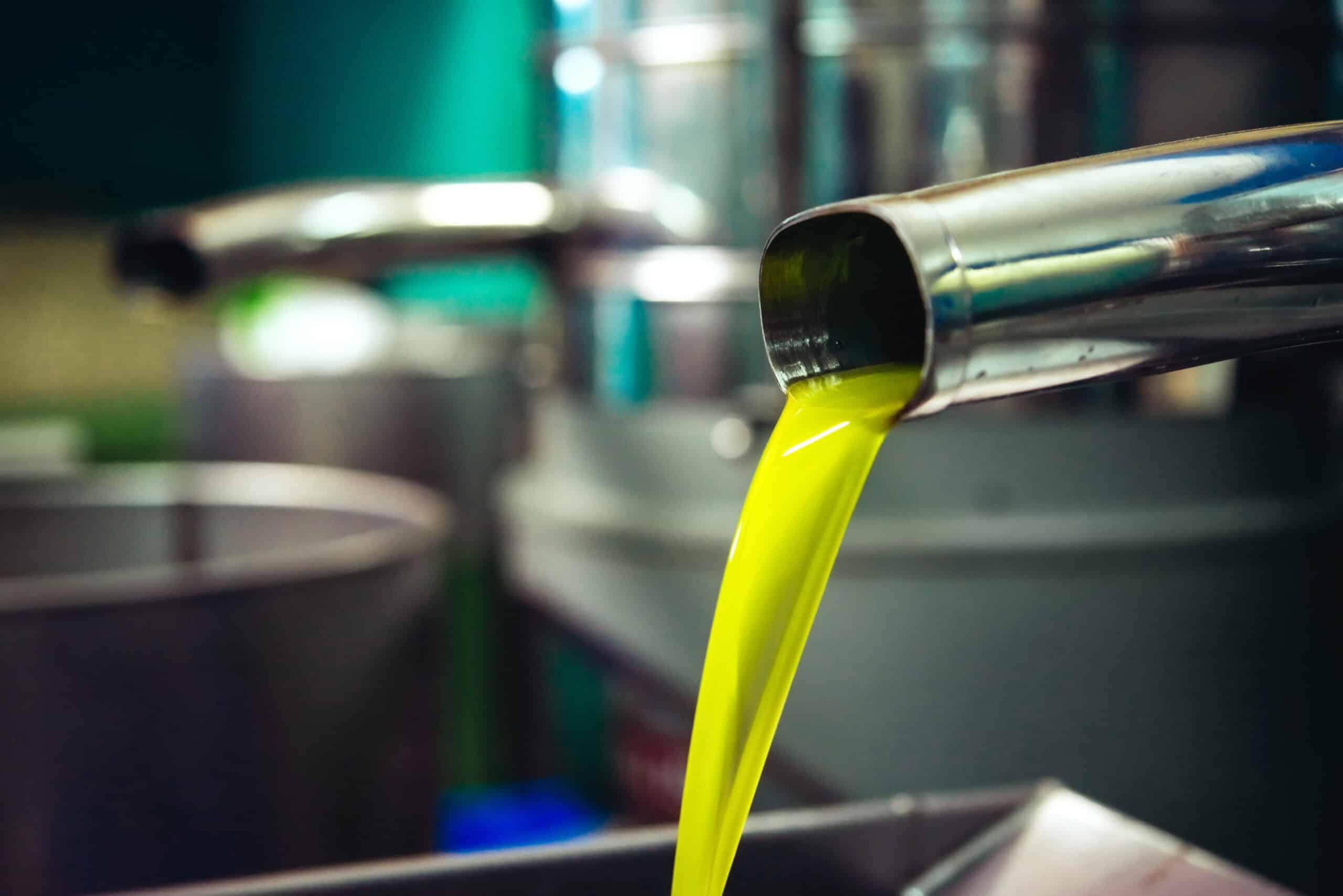
In the late afternoon, visit to a historic olive oil mill , located in a former convent. Guests will be shown the whole milling process and a tasting of oils and “bruschette” will be provided.
In the evening, return to the hotel, dinner and overnight stay.
DAY 3: Città della Pieve, the Saffron House, Panicale and Mongiovino
Breakfast and departure for a guided tour of Città della Pieve. Built entirely of brick, Città della Pieve is a hill-town which still maintains its medieval structure. It was the birthplace of Pietro Vannucci, known as Il Perugino: many of his artworks can be found in the churches of the town. The most notable building of the city is Palazzo della Corgna, which now houses a library and a natural history museum. Città della Pieve also hosts one of the narrowest alleyways in Italy, via Baciadonne, a narrow, 80-centimeter-wide opening between two buildings.
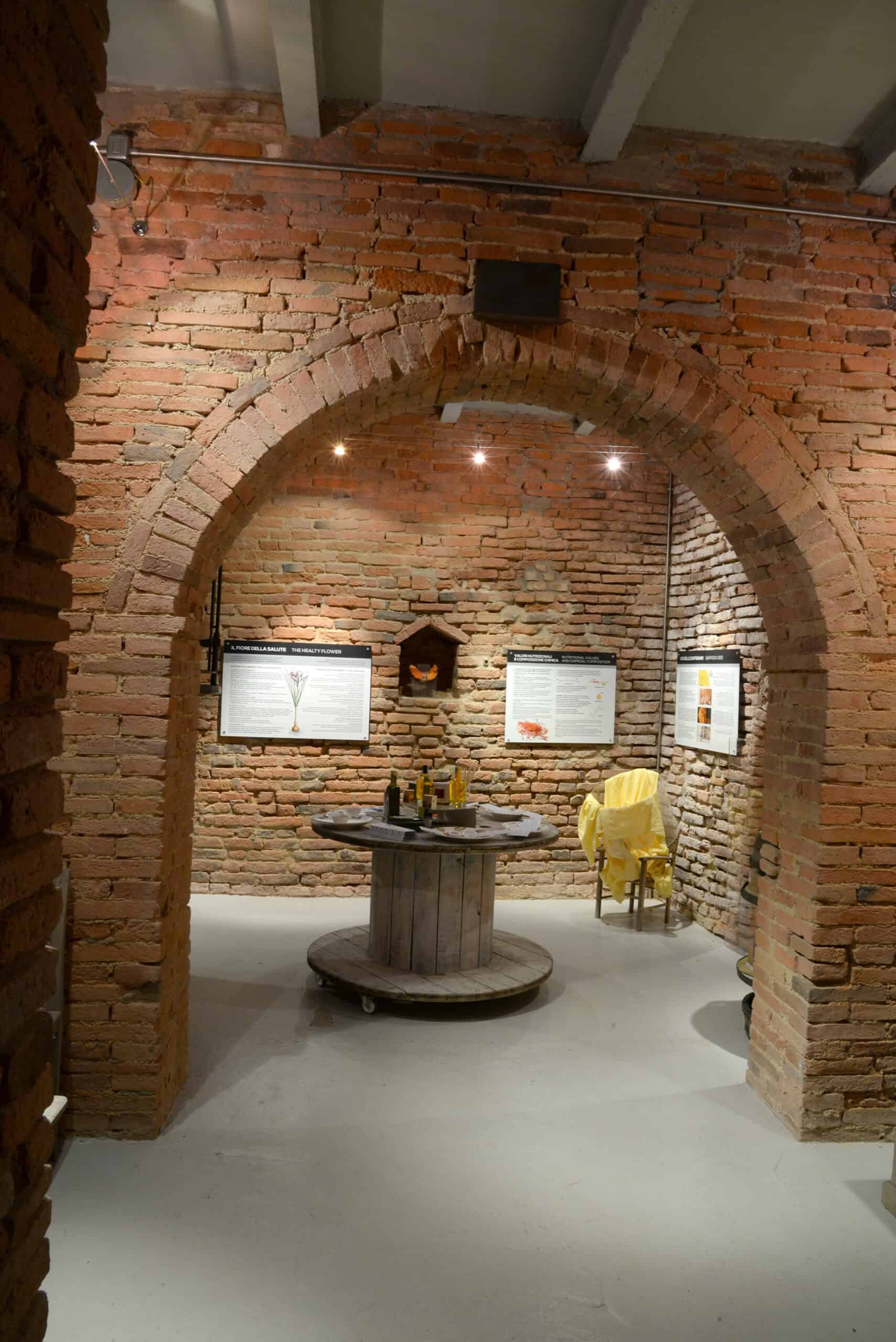
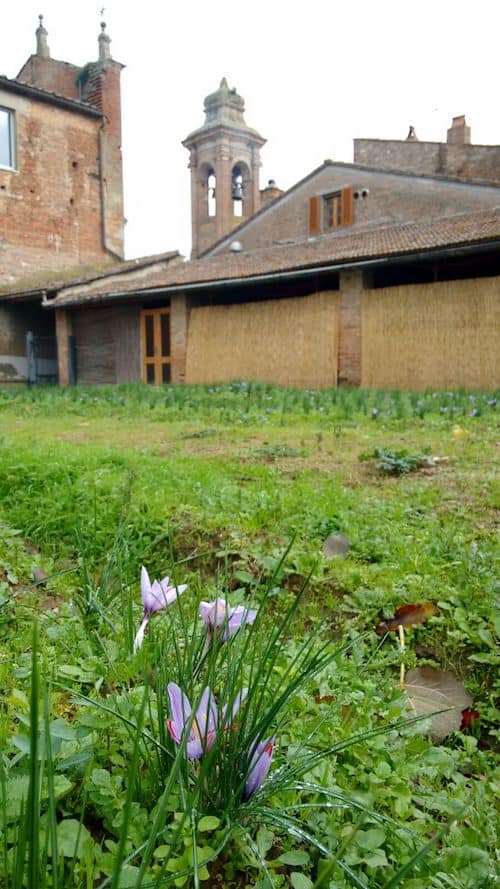
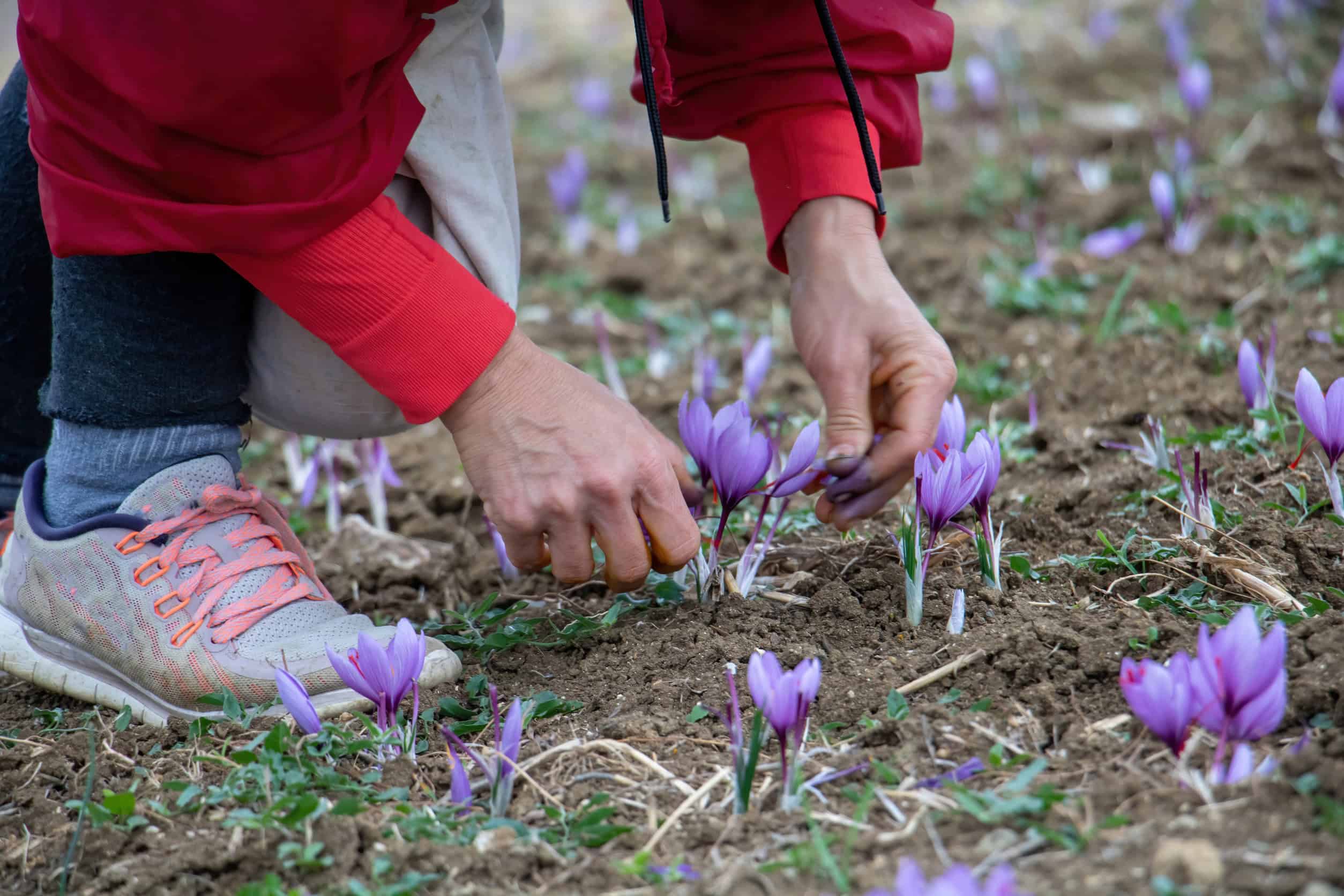
The countryside which surrounds Città della Pieve is noted for the cultivation of a tasteful spice: the saffron. In the past, this spice was also used as a dye for fabrics and paintings, as well as a precious medicinal. A visit in the “Casa dello Zafferano” (the Saffron House) will shed light on its history and uses. After the visit, it will be possible to taste some gastronomic products made with this spice.
Free time to enjoy lunch in a restaurant of your choice.
Guided tour of Panicale during the afternoon. This picturesque town is perched on a hill at 441 m above sea level and it still maintains the appearance of a medieval village. The plan of the town with concentric circles represents one of the most advanced military defense systems of the medieval era. In fact, this type of defensive structure allowed Panicale to resist the numerous sieges to which it was subjected.
The visit continues in the Church of S. Sebastiano, known for the presence of the extraordinary fresco by Perugino dedicated to the Martyrdom of St. Sebastian, a masterpiece that enchants for its colors. The landscape represented in the background, with the lake and the rolling hills, is very similar to the one guests can admire just outside the building.
In the late afternoon, guided visit of the Mongiovino Convent. The original project of the Sanctuary (1513) is attributed to Bramante although, due to his death in 1514, he certainly saw little of what was planned, perhaps only the foundations. The doors are made of Pietra serena and are attributed to Master Bernardino da Siena, one of the greatest carvers of the time. The Sanctuary is literally an immense unique work of art and it is completely frescoed in every corner.
In the evening, return to the hotel, dinner and overnight stay.
DAY 4: Fonti del Clitunno, Olive Oil Mill and Perugia
Breakfast and departure for a guided visit of the Fonti del Clitunno, a true oasis of peace in Umbria. This area consists of groundwater that comes to the surface in the form of a small lake with crystal clear water. Its shores are populated by ducks, swans and other birds and are surrounded by lush vegetation. It is not hard to believe that this magical place has inspired poets and painters since ancient times.
In the late morning, a tasting of oils and “bruschette” will be provided in a characteristic olive oil mill.
At the end of the visit, lunch based on typical Umbrian meals in a restaurant of the area.
In the afternoon, free time to visit Perugia, the chief town of the Umbria region. In the center of the city is located a picturesque square where it is possible to admire real architectural jewels such as Palazzo dei Priori, the beautiful Cathedral and a masterpiece of the thirteenth century: the charming Fontana Maggiore. The Rocca Paolina is another element that stands out in the historic center of the city: a fortress built by Pope Paul III to symbolized the papal power. A gem not to be missed for art lovers is the Noble College of the Exchange, preserved in a wing of Palazzo dei Priori. This tiny chamber was the headquarters of the guild of money changers and its walls house a cycle of frescoes made by Pietro Vannucci, known as Perugino.
In the evening, return to the hotel, dinner and overnight stay.
DAY 5: Bevagna, local winery and Spello
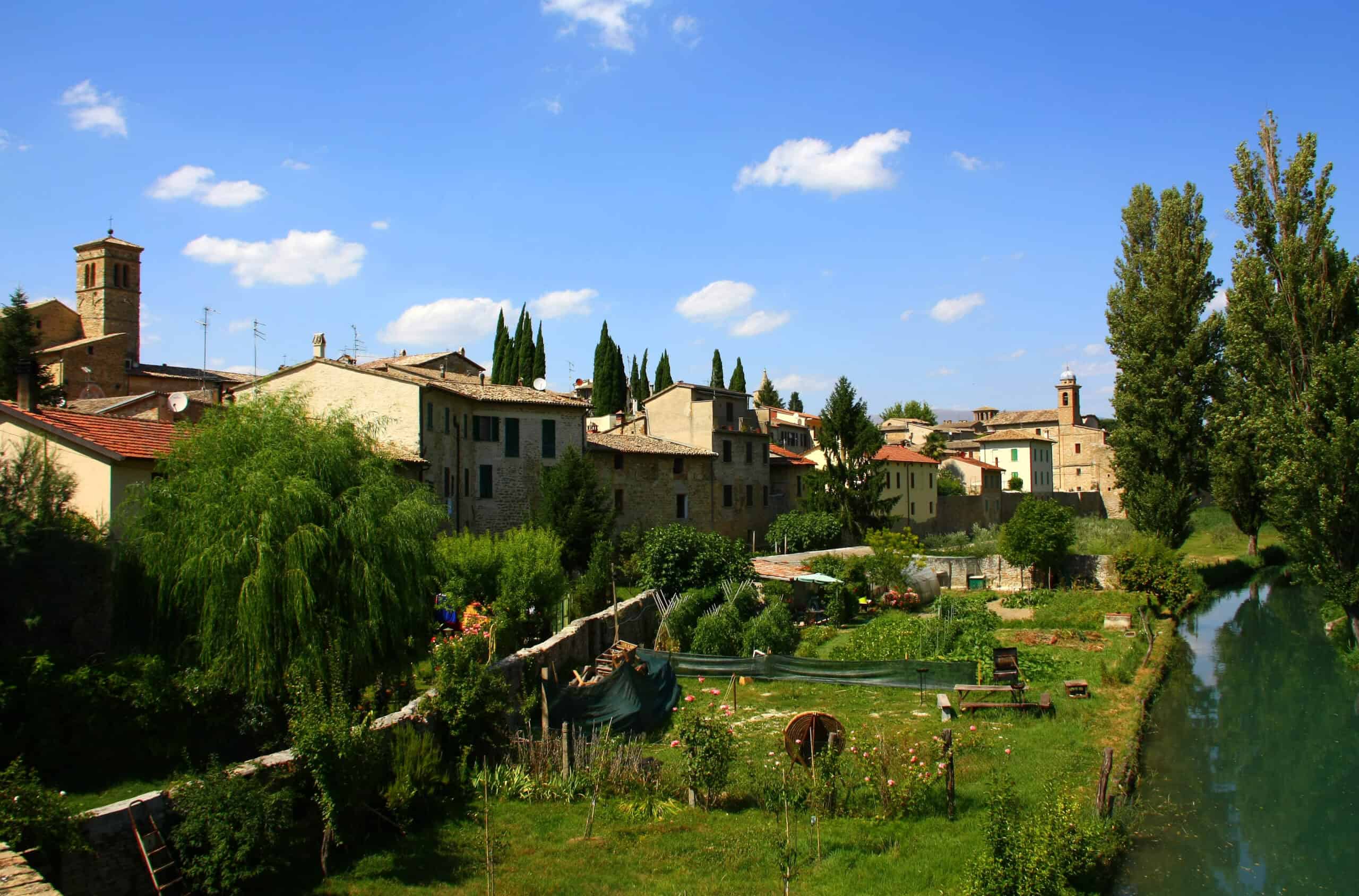
Breakfast and departure for a guided tour of Bevagna. This ancient Umbrian centre of Roman origins has preserved its medieval urban structure: in fact it is surrounded by stunning walls, gates and towers. Within its buildings there are still artisan workshops that show how products such as paper, candles, etc. were produced. The tour will continue in one of these characteristic medieval workshops.
Every June the medieval soul of Bevagna comes to life with the famous “Mercato delle Gaite”, a historical reenactment festival where the locals dress in costumes and experience the daily life by eating, working and playing like their ancestors used to do in the period that goes from 1250 to 1350.
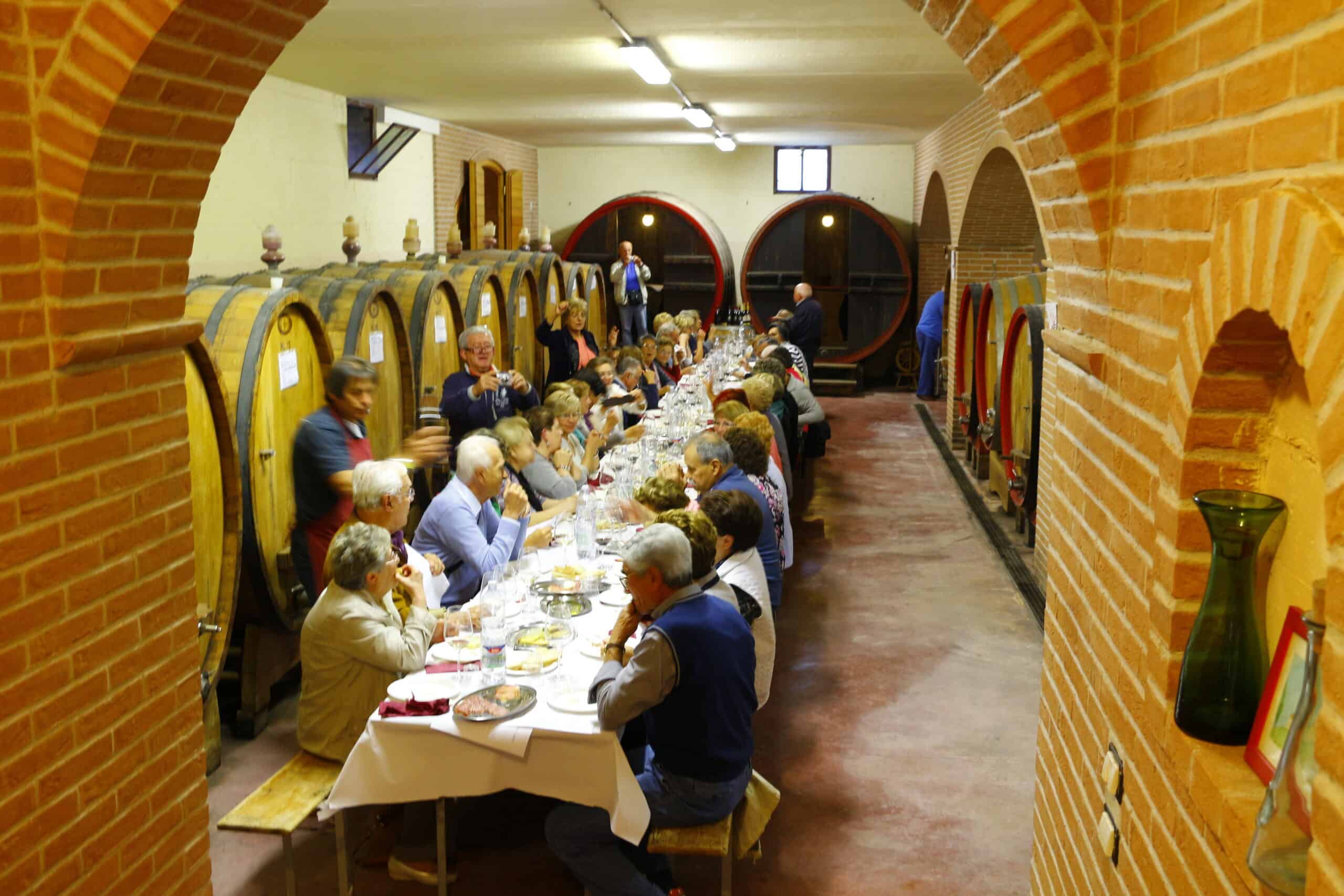
Lunch will be served in a local winery overlooking the Umbrian hills. Umbria is a region with a great wine making tradition: its wines are characterized by intense aromas and are perfect for different matches.
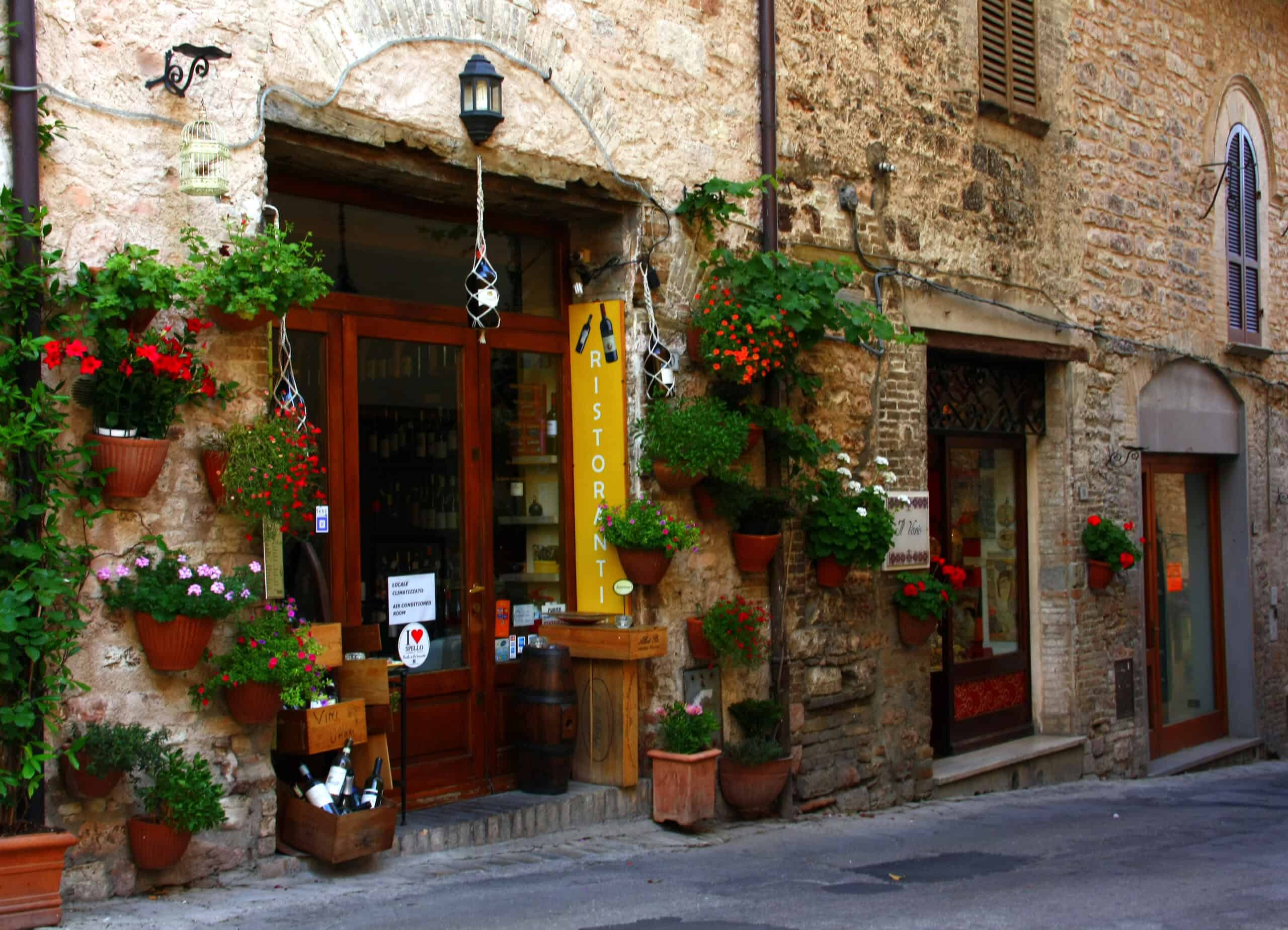
In the afternoon, free time to discover the small town of Spello, which is awarded as one of the most beautiful villages in Italy. This enchanting hamlet, perched on the southern flank of Mount Subasio, guards art and gastronomy treasures. In the historical center, it is possible to admire the jewel of the village: Cappella Baglioni (Baglioni Chapel), painted by Pinturicchio. Spello is also known as “the Capital of the Flower”, thanks to an important celebration that takes place between May and June, the “Infiorata del Corpus Domini”: during this celebration, the narrow streets of Spello are decorated with carpets of real flowers representing saints or religious scenes of life.
In the evening, return to the hotel, dinner and overnight stay.
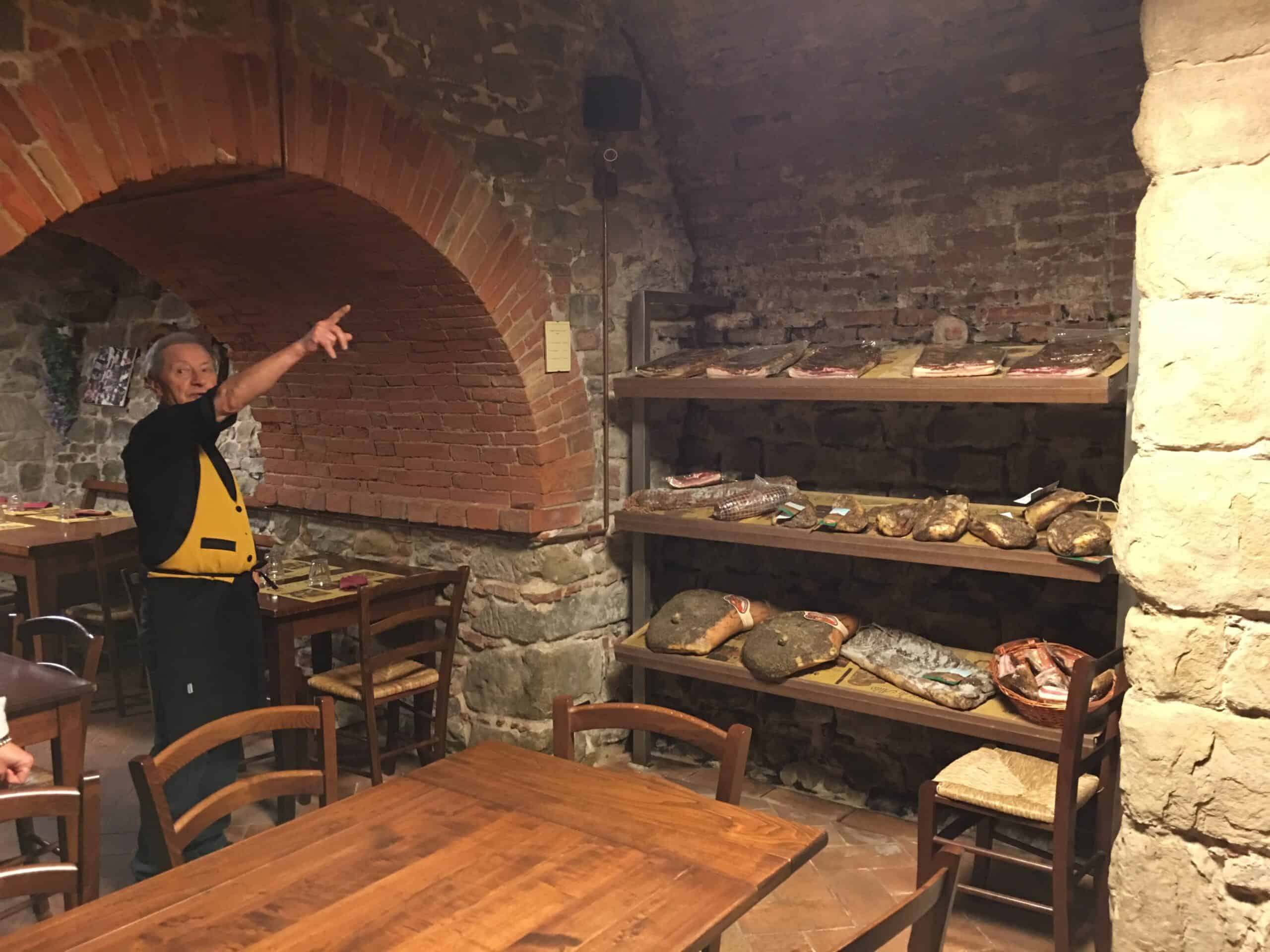
We don’t want our guests to leave without a tasty souvenir of this trip: that is why a gastronomic lottery of typical Italian cold cuts will be offered during the last dinner together, as well as a parting gift: a bottle of high quality local extra virgin olive oil.
DAY 6: Departure
Departure and return to home. Depending on the departure time, it is also possible to arrange a last visit before returning home.